


Have you ever wondered why your carefully crafted messages suddenly stop reaching the inbox? A shrinking list is more than just a vanity metric. It is a clear signal that your audience is losing interest.
Maintaining a healthy subscriber base is the backbone of long-term marketing success. When you ignore rising churn, you risk damaging your sender reputation, which ultximately harms your deliverability metrics across all platforms.
Learning how to reduce unsubscribe rate in email campaigns is essential for protecting your brand authority. By implementing strategic retention tactics, you ensure your content remains relevant and valuable to your readers. This guide provides the tools you need to stabilize your growth and keep your audience engaged for the long haul.
Key Takeaways
- High churn negatively impacts your sender reputation and deliverability.
- Consistent audience retention is vital for sustainable marketing growth.
- Monitoring engagement metrics helps identify why users choose to leave.
- Strategic content planning prevents unnecessary list attrition.
- Protecting your sender score ensures your messages reach the primary inbox.
Stop Losing Subscribers Every Week
Discover proven retention strategies that protect deliverability, strengthen sender reputation, and keep subscribers engaged longer with personalized campaigns, smarter segmentation, and optimized email frequency.
Understanding the Psychology Behind Email Unsubscribes
To master your email strategy, you must first decode the mental triggers that lead users to hit unsubscribe. When a reader decides to leave your list, it is rarely a random act. Instead, it is often the result of a disconnect between the value you promised and the experience they received.
Applying effective email marketing tips can help you bridge this gap and keep your audience engaged. Understanding how to reduce unsubscribe rate in email campaigns starts with identifying the emotional and behavioral triggers behind every opt-out.
Why Subscribers Choose to Leave
Subscribers often opt out when they experience content fatigue or a perceived lack of utility. If your emails no longer solve a problem or provide entertainment, the reader will quickly lose interest. This psychological shift happens when the cost of reading your email, in terms of time and attention, outweighs the benefit they gain.
Another common driver is a change in the subscriber’s personal needs. A user might have signed up for a specific promotion or a one-time resource, and once that need is met, they no longer feel a connection to your brand. Recognizing these patterns is essential for any professional looking to improve their email marketing tips and overall retention rates. These insights provide a practical foundation for learning how to reduce unsubscribe rate in email campaigns over time.
The Impact of Frequency and Relevance
The timing and content of your messages play a massive role in how subscribers perceive your brand. Sending emails too frequently can lead to irritation, while sending them too rarely can cause your audience to forget who you are. Finding the right balance is a delicate psychological game that requires constant observation.
Relevance is the anchor that keeps your subscribers from clicking the exit button. When you tailor your messaging to match the specific interests of your audience, you demonstrate that you value their time. By utilizing smart email marketing tips, you can ensure that every message feels like a welcome addition to their inbox rather than an unwanted intrusion. Finding this balance is one of the most effective ways to understand how to reduce unsubscribe rate in email campaigns.
How to Reduce Unsubscribe Rate in Email Campaigns Through Segmentation
If you want to know how to reduce unsubscribe rate in email campaigns, you must start by segmenting your list. Sending the same message to every person on your list is a fast track to high unsubscribe rates. By dividing your audience into smaller, more relevant groups, you ensure that your content hits the mark every time.
Defining Your Audience Personas
Building detailed audience personas is the foundation of a successful retention strategy. You should look beyond basic demographics like age or location to understand the unique motivations and pain points of your subscribers. When you create profiles that reflect real user needs, you can craft messages that feel personal rather than automated.
Consider grouping your subscribers based on their purchase history, engagement levels, or specific interests. This level of detail allows you to tailor your tone and offers to match what your readers actually care about. Relevant content is the strongest defense against the “unsubscribe” button. Creating detailed personas makes it much easier to implement how to reduce unsubscribe rate in email campaigns successfully.
Behavioral Targeting Strategies
Once you have your segments, you can implement behavioral targeting to keep your audience engaged. This strategy involves sending automated emails triggered by specific user actions, such as visiting a pricing page or abandoning a shopping cart. By responding to these signals in real-time, you provide value exactly when the user needs it most.
You can also use behavioral data to re-engage inactive subscribers before they decide to leave. For example, if a user has not opened an email in thirty days, you might trigger a “we miss you” campaign with a special incentive. Mastering these tactics is a proven way to learn how to reduce unsubscribe rate in email campaigns while simultaneously driving higher conversion rates across your entire list.
Optimizing Email Frequency and Cadence
Mastering the rhythm of your outreach is a critical component of effective email list management. When you strike the right balance, you stay top-of-mind without becoming a nuisance to your subscribers. This delicate equilibrium ensures that your messages are welcomed rather than ignored or marked as spam.
Finding the Sweet Spot for Your Industry
Every industry operates on a different timeline, and what works for a retail brand may fail for a B2B service provider. You should analyze industry benchmarks to determine the optimal cadence for your specific business model. Consistent testing allows you to see how your audience reacts to varying volumes of communication.
If your open rates begin to drop while your unsubscribe rates climb, you are likely over-communicating. Conversely, long periods of silence can lead to disengagement. By monitoring these trends, you can refine your email list management strategy to match the expectations of your target demographic. Regular testing helps businesses discover how to reduce unsubscribe rate in email campaigns without overwhelming subscribers.
| Industry Type | Recommended Frequency | Primary Goal |
|---|---|---|
| E-commerce | 2-4 times per week | Drive immediate sales |
| B2B Services | 1-2 times per month | Build long-term authority |
| News/Media | Daily or weekly | Provide timely updates |
Implementing Preference Centers
One of the most effective ways to respect your audience is by giving them control over their inbox experience. Implementing a preference center empowers users to choose the type and frequency of content they receive. This simple addition to your email list management workflow can significantly reduce churn rates.
When subscribers can opt-in to specific topics or adjust their delivery schedule, they feel more valued and understood. This transparency builds trust and keeps your list healthy. Personalized communication is always more effective than a one-size-fits-all approach, ensuring that your brand remains a helpful resource rather than an unwanted distraction. Preference centers remain one of the smartest approaches for how to reduce unsubscribe rate in email campaigns.
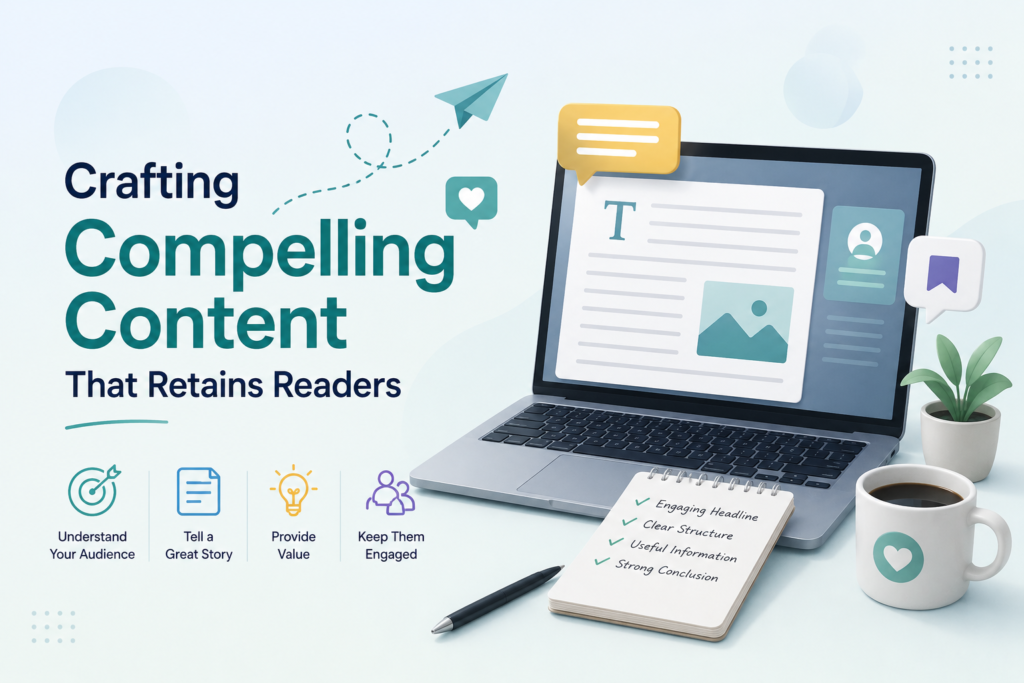
Crafting Compelling Content That Retains Readers
Keeping your subscribers engaged requires more than just sending emails; it demands a strategy built on genuine value. When you provide consistent, high-quality information, you transform your newsletter from a nuisance into a resource. These email marketing tips will help you foster a deeper connection with your audience.
The Art of the Subject Line
Your subject line is the gatekeeper of your content. If it fails to capture attention, the rest of your hard work remains unseen. Aim for clarity and curiosity rather than clickbait, as honesty builds long-term trust.
Use personalization to make your emails feel like a direct conversation. When a reader sees a subject line that addresses their specific interests, they are far more likely to open the message. Effective email marketing tips suggest keeping these lines under 50 characters to ensure they display well on mobile devices. Compelling subject lines are a key element of how to reduce unsubscribe rate in email campaigns while increasing open rates.
Delivering Value Beyond the Sale
Many brands make the mistake of treating every email as a sales pitch. To retain readers, you must balance promotional content with educational or entertaining material. Providing helpful advice or industry insights keeps your brand top-of-mind without being intrusive.
Focus on solving problems for your subscribers rather than just pushing products. When you consistently offer value, you earn the right to ask for a sale later. This approach creates a loyal community that looks forward to your next update. Consistently delivering value is essential if your goal is to master how to reduce unsubscribe rate in email campaigns.
| Content Type | Primary Goal | Engagement Level |
|---|---|---|
| Educational Guides | Build Authority | High |
| Exclusive Offers | Drive Revenue | Medium |
| Industry News | Maintain Relevance | High |
| Customer Stories | Foster Loyalty | Very High |
By implementing these email marketing tips, you can ensure your content remains a welcome sight in any inbox. Remember that retention is a marathon, not a sprint. Always prioritize the needs of your reader to achieve the best results.
The Role of Email List Hygiene in Retention
Effective email list management is essential for ensuring your messages reach the right people. When you maintain a clean database, you protect your sender reputation and improve overall engagement metrics. Neglecting this process often leads to lower open rates and potential blacklisting by major internet service providers. Maintaining list hygiene is another proven strategy for how to reduce unsubscribe rate in email campaigns.
Identifying and Removing Inactive Subscribers
You should regularly audit your list to find users who have not interacted with your content for several months. Before removing these contacts, consider launching a targeted re-engagement campaign to win them back. If they remain unresponsive after a series of attempts, it is best to remove them to keep your data accurate.
Removing inactive users helps you focus your resources on subscribers who truly value your brand. This practice ensures that your email list management efforts yield the highest possible return on investment. A smaller, highly engaged list is always more valuable than a large, dormant one.
Managing Bounce Rates and Deliverability
Technical health is just as important as subscriber activity. You must monitor your bounce rates closely to distinguish between temporary issues and permanent invalid addresses. Hard bounces, which occur when an email address is invalid, should be removed immediately to maintain high deliverability standards.
Soft bounces often indicate temporary problems like a full inbox or server downtime. By tracking these metrics, you can refine your email list management strategy to ensure your messages consistently land in the primary inbox. Use the following table to understand how different metrics impact your overall sender health. Improving deliverability also contributes directly to how to reduce unsubscribe rate in email campaigns.
| Metric Type | Impact on Deliverability | Recommended Action |
|---|---|---|
| Hard Bounce | High Negative | Remove immediately |
| Soft Bounce | Low Negative | Retry after 24 hours |
| Inactive User | Moderate Negative | Re-engage or prune |
| Active Subscriber | Positive | Continue engagement |
Personalization Tactics to Boost Engagement
Modern subscribers expect content that feels tailor-made for their specific interests. Moving beyond simple name tags in your subject lines is essential for maintaining a healthy relationship with your audience. By leveraging advanced data, you can transform generic newsletters into highly relevant experiences that keep readers clicking.
Personalize Every Email for Higher Engagement
Turn subscriber data into revenue by delivering dynamic content, tailored recommendations, and behavior-based messages that increase opens, clicks, loyalty, and long-term customer retention.
Dynamic Content Implementation
Dynamic content allows you to swap specific sections of an email based on the unique profile of the recipient. Instead of sending one static message to your entire list, you create a single template that adapts automatically. This ensures that your messaging remains highly relevant to every individual on your list. Dynamic personalization demonstrates how to reduce unsubscribe rate in email campaigns through relevant messaging.
You can adjust these blocks based on several key factors:
- Geographic location: Show local store events or weather-appropriate product suggestions.
- Subscriber lifecycle stage: Provide onboarding tips for new users or loyalty rewards for long-term customers.
- Past interaction history: Display content that aligns with the specific topics or categories they have engaged with previously.
Using Data to Tailor Recommendations
Your existing database is a goldmine for increasing engagement and driving conversions. By analyzing past purchase history and browsing behavior, you can provide personalized product recommendations that feel helpful rather than intrusive.
This strategy turns your email campaigns into a curated shopping assistant for your customers. Data-driven recommendations are an effective technique for how to reduce unsubscribe rate in email campaigns while increasing conversions.
When you use data effectively, you reduce the noise and focus on what truly matters to the user. Consider these strategies to improve your recommendation engine:
- Cross-selling: Suggest complementary items based on a customer’s recent purchase.
- Replenishment reminders: Send timely alerts for products that typically run out after a set period.
- Browsing recovery: Highlight items that a user viewed but did not purchase, perhaps offering a small incentive to complete the transaction.
Implementing these tactics requires a clean and organized data set. When you prioritize data accuracy, your recommendations become more precise, which directly correlates to higher open rates and lower unsubscribe numbers.
Designing for Mobile and Accessibility
Creating a seamless experience across all devices is the foundation of modern email retention. When your messages fail to render correctly on a smartphone, you risk losing the trust of your audience. A professional appearance is essential to keep subscribers engaged and interested in your brand.

Ensuring Responsive Layouts
Responsive design ensures that your content automatically adjusts to fit any screen size. You should prioritize a single-column layout to prevent horizontal scrolling, which often frustrates mobile users. This approach keeps your call-to-action buttons prominent and easy to tap with a thumb.
Testing your templates across various devices is a vital step in your workflow. Use tools that simulate different screen resolutions to catch formatting errors before you hit send. A fluid grid system allows your images and text to scale proportionally, maintaining a clean look regardless of the device.
Improving Readability for All Users
Accessibility is about making your content usable for everyone, including those who rely on screen readers. You should always use a minimum font size of 16px for body text to ensure clarity on small screens. High contrast between your text and background colors is also necessary for users with visual impairments. Optimizing accessibility supports how to reduce unsubscribe rate in email campaigns by improving every subscriber’s experience.
Consider the following table to understand how to balance your design choices for different environments:
| Design Element | Mobile Best Practice | Desktop Best Practice |
|---|---|---|
| Layout Structure | Single-column flow | Multi-column allowed |
| Font Size | 16px or larger | 14px to 16px |
| Button Size | 44×44 pixels minimum | Standard button size |
| Image Loading | Compressed for speed | High-resolution allowed |
Alt text for images is another critical component of accessible email design. By providing descriptive text for every visual, you ensure that subscribers using assistive technology can still understand your message. These small adjustments significantly improve the overall user experience and help reduce your unsubscribe rate.
Analyzing Metrics to Predict Churn
Your approach to email list management relies heavily on your ability to read the signals hidden within your campaign data. By monitoring specific performance indicators, you can identify subscribers who are losing interest long before they hit the unsubscribe button. This proactive stance allows you to adjust your strategy and keep your audience engaged.
Key Performance Indicators to Monitor
To predict churn, you must look beyond simple open rates. Focus on engagement velocity, which measures how quickly a subscriber interacts with your content after it arrives in their inbox. A sudden drop in this metric often serves as an early warning sign of declining interest.
Click-through rates (CTR) also provide vital context for your email list management efforts. If your CTR is trending downward over several weeks, it suggests that your content is no longer meeting the needs or expectations of your readers. Tracking these shifts helps you pinpoint exactly when a subscriber begins to disengage.
“Data is the bridge between understanding your audience’s needs and delivering the value that keeps them coming back for more.”
Interpreting Unsubscribe Trends
Unsubscribe trends are rarely random; they usually follow a pattern linked to your sending frequency or content relevance. When you notice a spike in opt-outs, analyze the specific campaigns that triggered the exodus. This data helps you determine if the issue stems from a specific topic, a change in tone, or an overwhelming volume of messages.
Effective email list management requires you to act on these insights immediately. If you see a trend of users leaving after a specific type of email, consider segmenting those users into a different list or adjusting your cadence for that group.
By making data-driven adjustments, you can stabilize your list and foster long-term loyalty among your most valuable subscribers. Monitoring trends consistently helps marketers understand how to reduce unsubscribe rate in email campaigns with data-backed decisions.
Testing and Iterating Your Email Strategy
Your email strategy is not a static document but a living process that thrives on regular experimentation. By adopting a mindset of continuous improvement, you can ensure your messages remain relevant and engaging over time. These email marketing tips will help you turn raw data into actionable insights that drive better results.
A/B Testing Subject Lines and Content
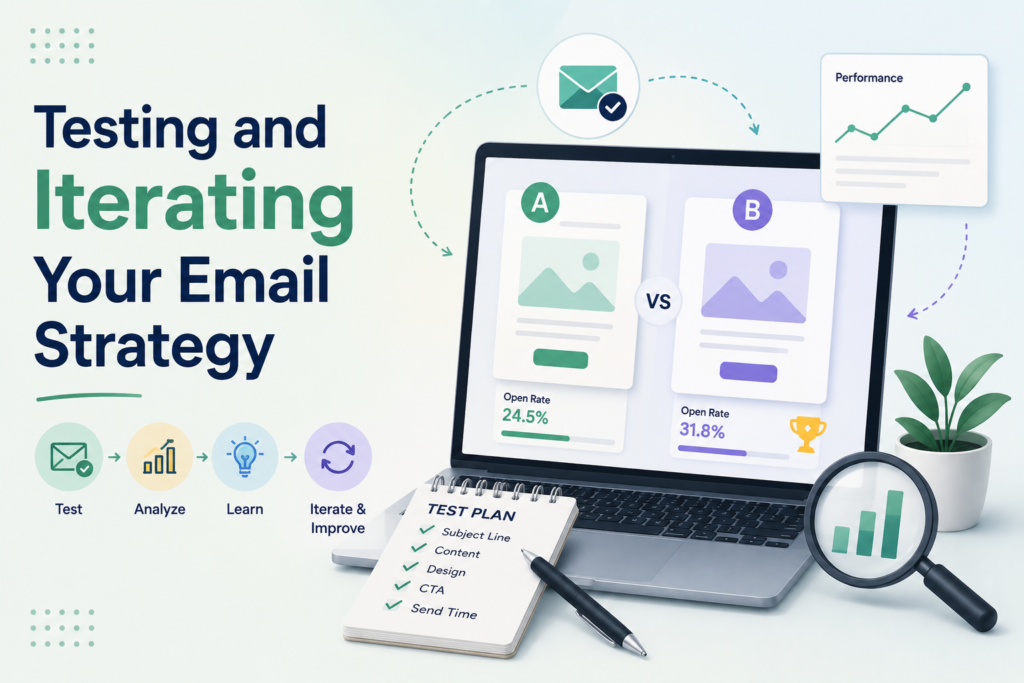
A/B testing allows you to compare two versions of an email to see which performs better with your audience. You should start by testing one variable at a time, such as the subject line, to isolate what triggers a higher open rate. Testing your call-to-action buttons and layout designs can also reveal what drives more clicks and conversions.
Consistency is key when running these experiments. By tracking performance metrics over several campaigns, you can identify patterns that resonate with your subscribers. Applying these email marketing tips ensures that every message you send is optimized for maximum impact.
Gathering Feedback Through Surveys
Quantitative data tells you what is happening, but qualitative feedback tells you why. Sending periodic surveys to your subscribers provides a direct line of communication to their preferences and pain points. You can use this information to refine your content strategy and deliver more value to your readers.
When you ask for input, make sure to keep the process simple and rewarding. A short, three-question survey often yields higher response rates than a long, complex form. Below is a comparison of common testing and feedback methods to help you prioritize your efforts.
| Method | Primary Goal | Data Type | Frequency |
|---|---|---|---|
| A/B Testing | Optimize Clicks | Quantitative | Every Campaign |
| Subscriber Surveys | Understand Needs | Qualitative | Quarterly |
| Preference Centers | Reduce Churn | Behavioral | Ongoing |
Build a High-Performing Email List Today
Create a healthier email list with advanced hygiene practices, preference centers, and data-driven optimization techniques that reduce churn and improve campaign performance consistently.
Conclusion
Ultimately, learning how to reduce unsubscribe rate in email campaigns requires continuous testing, personalization, and audience-focused optimization.
Maintaining a healthy email list requires a commitment to constant improvement. You must view your communication strategy as a living system that evolves alongside your audience needs.
Prioritize relevance in every message you send. Consistency in your delivery schedule helps build trust with your readers. Use your performance data to guide your future choices rather than relying on guesswork.
Brands like Mailchimp and HubSpot provide the tools necessary to track these metrics effectively. Apply these professional techniques to transform your outreach efforts into a sustainable growth engine.
Your goal is to create a loyal community that values your content. A focused approach leads to higher engagement and better long-term results for your business. Start refining your tactics today to see the impact on your bottom line.
FAQs
How do high unsubscribe rates specifically impact my sender reputation with providers like Gmail?
When major providers like Google or Outlook notice a spike in unsubscribes or spam complaints, they begin to view your domain as low-quality or intrusive. This directly damages your sender reputation, leading to your messages being diverted to the “Promotions” tab or, worse, the spam folder. Consistent email list management is essential to prove to these providers that your audience actively anticipates and values your content.
What are the most effective email marketing tips for identifying why subscribers are leaving?
The most direct method is to implement a brief “exit survey” on your unsubscribe confirmation page. By asking users if the frequency was too high or the content was no longer relevant, you gain qualitative data that quantitative metrics can’t provide. Brands like HubSpot often use this feedback to adjust their cadence and content strategy to better align with user expectations.
How can I use segmentation as a strategy for how to reduce unsubscribe rate in email campaigns?
Segmentation allows you to move away from “batch and blast” methods. By categorizing your audience based on their behavior or past purchases using platforms like Klaviyo or Mailchimp, you ensure that the content remains highly personalized. When a subscriber receives a message tailored to their specific interests—such as a localized offer or a product recommendation based on their Amazon browsing history—they are far less likely to hit the unsubscribe button.
Why is a preference center better than a simple one-click unsubscribe?
A preference center gives your audience a “middle ground” option. Many users still like your brand but may feel overwhelmed by daily updates. By offering a preference center similar to those used by LinkedIn or Spotify, you allow them to opt-down to a weekly digest or select specific topics they care about. This retains the lead while respecting their digital boundaries, which is a vital part of email list management.
How does mobile-responsive design influence my retention metrics?
With more than half of all emails being opened on mobile devices, a broken layout is a fast track to an unsubscribe. If your email doesn’t render correctly on an iPhone or Samsung Galaxy, the user experience is ruined. Utilizing responsive templates ensures your text is readable and your buttons are “tap-friendly,” preventing the frustration that leads to list churn.
What role does A/B testing play in how to reduce unsubscribe rate in email campaigns?
A/B testing allows you to take the guesswork out of your strategy. By testing different subject lines, “From” names, or call-to-action (CTA) placements, you can see exactly what resonates with your unique audience. If you find that a “Direct and Professional” tone outperforms a “Urgent and Salesy” tone in your Salesforce reports, you can pivot your entire campaign to match that preference and boost long-term engagement.
How often should I perform list hygiene to maintain a healthy subscriber base?
It is recommended to perform deep email list management at least once every quarter. This involves identifying “ghost” subscribers who haven’t opened an email in six months and attempting a final re-engagement campaign. If they still don’t interact, removing them actually improves your overall deliverability and ensures your marketing budget is spent on an audience that actually converts.
Can sending fewer emails reduce unsubscribe rates?
Yes, but only if you maintain consistency. Reducing email frequency can help prevent subscriber fatigue, but sending too few emails may cause people to forget your brand. The best approach is to test different sending schedules, monitor engagement metrics, and choose a cadence that aligns with your audience’s preferences while consistently delivering valuable content.
Should I remove inactive subscribers or keep them on my email list?
If subscribers remain inactive after a targeted re-engagement campaign, removing them is usually the best option. Keeping disengaged contacts can lower your open rates, hurt your sender reputation, and reduce overall campaign performance. A smaller, engaged list often generates better results than a larger list filled with inactive recipients.
Which email metrics should I monitor to reduce unsubscribe rates?
Track unsubscribe rate alongside open rate, click-through rate (CTR), bounce rate, spam complaints, and conversion rate. Analyzing these metrics together helps you identify whether content relevance, email frequency, or deliverability issues are causing subscribers to leave. Regular performance reviews enable you to make data-driven improvements that increase long-term engagement.