





Have you ever wondered if your constant push for sales is actually driving your subscribers away? Many businesses struggle to find the perfect balance between driving conversions and maintaining a healthy relationship with their audience.
Learning how to create urgency effectively is a cornerstone of any successful email marketing strategy. When done correctly, time-sensitive messaging motivates your readers to act immediately without feeling pressured or annoyed.
However, overusing these tactics often leads to subscriber fatigue and damages your long-term sender reputation. This guide will show you how to maintain high engagement levels while keeping your list excited for every message you send.
Key Takeaways
- Understand the fine line between helpful reminders and aggressive sales tactics.
- Learn how to use scarcity to boost conversion rates naturally.
- Discover methods to protect your sender reputation from fatigue.
- Master the art of timing your promotional messages for maximum impact.
- Build long-term trust while still driving immediate action from your subscribers.
Turn Urgency Into Revenue Without Annoying Your Subscribers
Build high converting email campaigns, automate follow ups, and grow your audience with powerful email marketing tools. Start free today and see how easy it is to increase engagement and sales.
The Psychology Behind Why Urgency Drives Conversions
Why do your subscribers suddenly rush to buy when a timer starts ticking? The answer lies in the way our brains process time and availability. When you implement a sense of urgency, you are not just selling a product; you are tapping into deep-seated cognitive patterns that prioritize immediate action over hesitation.
Understanding the Fear of Missing Out
The Fear of Missing Out, or FOMO, is a powerful psychological motivator in the digital landscape. It stems from the human desire to belong and the anxiety that others might be gaining an advantage that we are losing. When you highlight that an offer is expiring, you create urgency and trigger this instinctual response.
Subscribers often feel a compelling need to act because they do not want to experience the regret of a missed opportunity, helping you create urgency naturally. By leveraging this, you create a sense of urgency that cuts through the noise of a crowded inbox. This emotional trigger is a cornerstone of effective urgency in marketing.
How Scarcity Influences Consumer Decision-Making
Scarcity works by increasing the perceived value of your products or services and helping you create urgency. When an item is presented as limited in quantity, the brain automatically assigns it a higher status. This phenomenon shifts the consumer mindset from “should I buy this?” to “how can I secure this before it is gone?”
You can observe this influence through several key behavioral shifts in your audience:
- Increased focus: Customers pay closer attention to details when they believe time is running out.
- Reduced procrastination: The pressure of a deadline forces a faster decision-making process.
- Higher perceived worth: Limited availability makes the offer feel exclusive and more desirable.
Mastering these principles allows you to craft campaigns that resonate on a human level. By using urgency in marketing with precision, you provide your subscribers with the nudge they need to make a confident purchase. Understanding these foundational triggers is essential for any brand looking to improve conversion rates while maintaining a professional connection with their list.
How to Create Urgency Ethically and Effectively
When you aim to create urgency, the line between helpful guidance and aggressive pressure can easily blur. It is vital to ensure that your marketing efforts create urgency while serving the customer rather than just pushing for a quick sale. By focusing on the value you provide, you can inspire action without resorting to deceptive tactics.
Defining the Boundary Between Persuasion and Manipulation
Persuasion becomes manipulation the moment you introduce false information to force a decision. If you claim a sale is ending when it is not, you break the implicit contract of trust with your audience. To create urgency effectively, your offers must be rooted in reality and provide a clear benefit to the subscriber.
“Integrity is doing the right thing, even when no one is watching.”
Building Trust Through Transparent Communication
Transparency is the foundation of a healthy relationship with your email list. When you are clear about why a deadline exists, your subscribers are more likely to respect the time limit. Honest communication helps create urgency without making subscribers feel trapped.
Always provide the context behind your promotions. Whether it is a limited inventory count or a seasonal event, explaining the “why” helps your audience understand that the pressure is authentic. This approach fosters a positive environment where your subscribers feel respected.
Why Honesty Matters for Long-Term Retention
If you rely on fake scarcity to create urgency, you will eventually lose your brand authority. Subscribers who feel misled will quickly unsubscribe or mark your emails as spam. Maintaining a reputation for honesty ensures that when you do have a genuine, time-sensitive offer, your audience will listen and act.
Prioritizing integrity today builds the loyalty you need for tomorrow. By keeping your promises, you turn casual readers into dedicated brand advocates who trust your guidance. This long-term view is the secret to sustainable growth in any email marketing strategy.
Segmenting Your Audience to Prevent List Fatigue
Strategic segmentation acts as a shield against the common pitfalls of aggressive email marketing. When you treat every subscriber the same, you risk burning list engagement by sending irrelevant, high-pressure messages to people who are not ready to buy.
By dividing your audience into smaller, specific groups, you can create urgency and ensure that your time-sensitive offers reach the right people at the right moment. This approach minimizes unsubscribes and keeps your brand reputation intact.
Identifying Your Most Responsive Subscribers
Not every subscriber interacts with your content in the same way. You should prioritize your most active users by tracking their open rates and click-through history over the last ninety days.
These individuals are more likely to appreciate a sense of urgency because they already trust your brand. By isolating this group, you can test aggressive tactics without the fear of burning list interest among your more casual readers.
Tailoring Urgency Based on Purchase History
Your data tells a story about what your customers value most. Using purchase history allows you to create urgency that feels personalized, helpful rather than manipulative.
For example, you might send a limited-time discount on a product category a customer has browsed before. This level of email marketing precision turns a generic blast into a tailored recommendation that drives real conversions.
| Segment Type | Urgency Strategy | Expected Outcome |
|---|---|---|
| High Engagement | Flash Sales | High Conversion |
| Lapsed Customers | Win-back Offers | Re-engagement |
| New Subscribers | Welcome Discounts | Brand Loyalty |
| Frequent Buyers | VIP Early Access | Increased Lifetime Value |
Crafting Subject Lines That Demand Immediate Attention
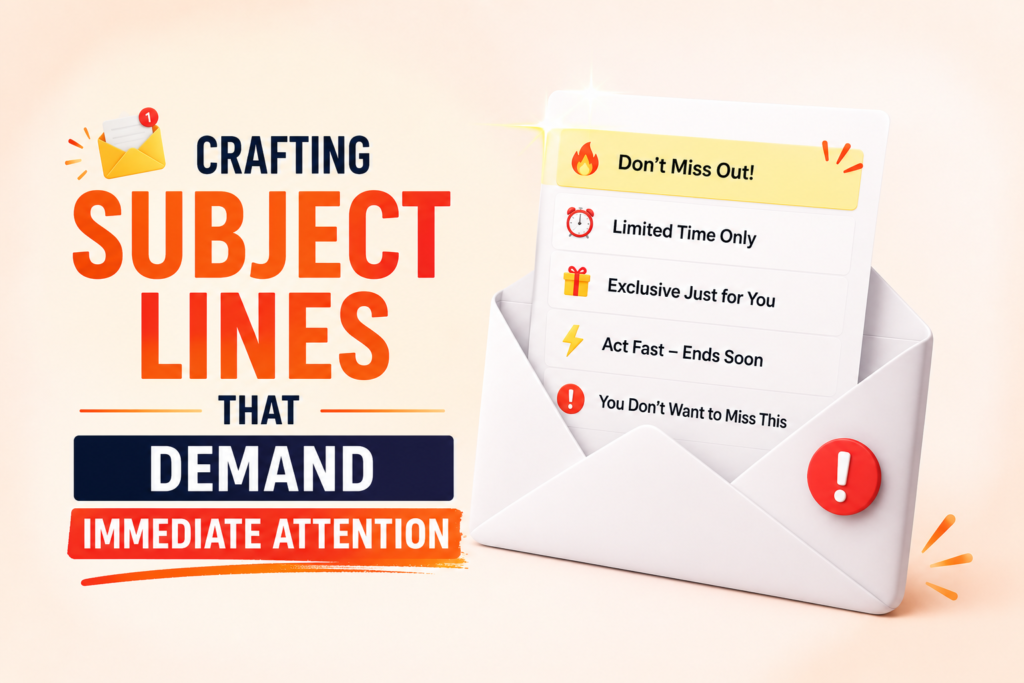
Your subject line serves as the primary gatekeeper for your email campaigns and can create urgency before the email is opened. In a digital world filled with noise, mastering urgency in marketing is essential to ensure your message reaches the right eyes. When you craft lines that demand attention, you increase the likelihood of your subscribers clicking through to your content.
Using Action-Oriented Language
To drive engagement, you must move away from passive phrasing. Action-oriented language encourages your readers to take a specific step immediately upon reading your email. By using strong verbs like “Claim,” “Unlock,” or “Save,” you create urgency and a sense of momentum that passive subject lines simply cannot match.
Focus on clarity and brevity to ensure your call to action is unmistakable. When you tell your audience exactly what to do, you reduce the friction that often leads to ignored emails. This direct approach is a cornerstone of effective urgency in marketing.
The Power of Time-Bound Phrases
Time-bound phrases provide the necessary context to create urgency and explain for why a subscriber should act now rather than later. Phrases like “Ends at midnight” or “Only 4 hours left” create a clear, logical boundary for your offer. This technique helps you communicate the value of your promotion without relying on deceptive tactics.
The following table illustrates how you can transform standard subject lines into high-converting, time-sensitive messages:
| Standard Subject Line | Action-Oriented Version | Time-Bound Impact |
|---|---|---|
| Check out our sale | Claim your discount now | Sale ends in 2 hours |
| New items are here | Shop the new collection | Limited stock until Friday |
| We have a special offer | Unlock your exclusive deal | Offer expires at midnight |
By combining these strategies, you build a consistent brand voice that respects your subscriber’s time. Remember that transparency is key to maintaining long-term trust. When you use urgency in marketing correctly, you turn casual readers into loyal, active customers.
Using Scarcity Tactics Without Deceiving Your Subscribers
Your brand’s reputation depends on how you handle the thin line between real scarcity and artificial pressure. When you create urgency, your primary goal should be to provide value rather than tricking your audience into a hasty purchase. Authenticity is the bedrock of long-term customer loyalty.
Highlighting Limited Inventory Honestly
Transparency is your best asset when communicating stock levels to create urgency effectively. If you have a limited supply of a popular item, share that information clearly with your subscribers to create urgency. Honesty builds trust, and customers appreciate knowing exactly why a product might sell out soon.
Instead of using vague warnings, provide specific details. For example, stating “Only 15 units left in our warehouse” is far more effective than a generic “Low stock” banner. This approach allows you to create urgency based on verifiable facts rather than manufactured hype.
Avoiding Artificial Scarcity Traps
Many businesses fall into the trap of using fake countdown timers or misleading “limited time” claims. These urgency tactics might yield a short-term spike in sales, but they often lead to long-term damage. Once a subscriber realizes they have been misled, they are likely to unsubscribe or lose faith in your future communications.
Avoid the temptation to reset timers or claim an offer is ending when it is actually permanent. Authentic scarcity relies on real constraints, such as seasonal inventory changes or exclusive manufacturing runs. By staying true to your word, you ensure that your urgency tactics remain a respected part of your marketing strategy rather than a source of frustration for your list.
Implementing Time-Sensitive Offers That Feel Authentic
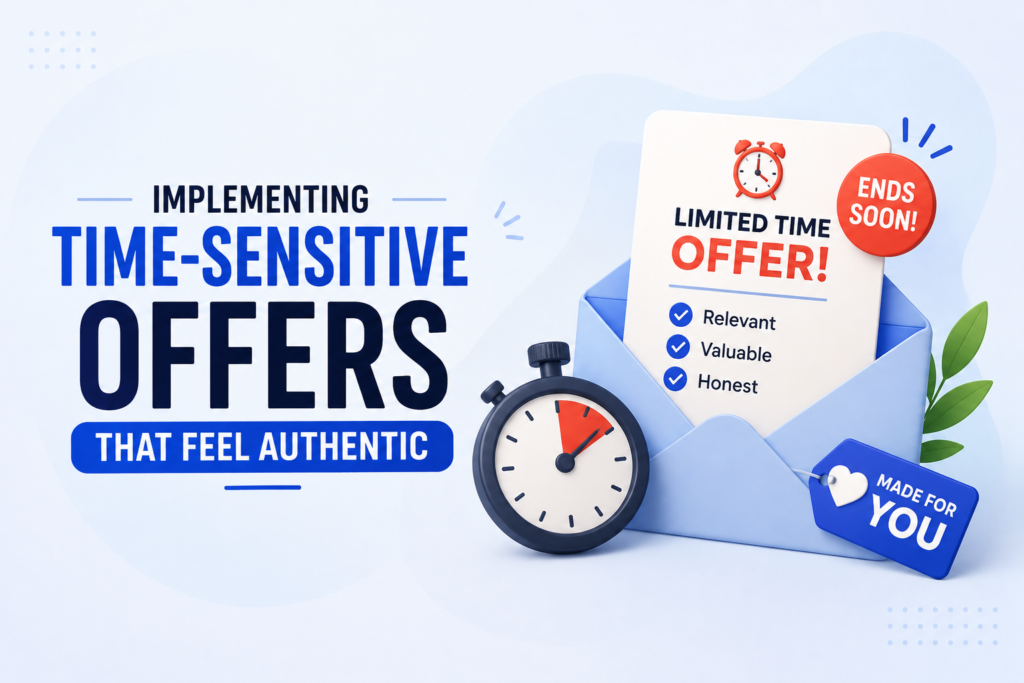
Creating a genuine sense of urgency requires more than just a ticking clock if you want to create urgency effectively. When you present an offer to your subscribers, the message must feel like a real opportunity rather than a forced tactic. Authenticity is the bridge that connects your business goals with the actual needs of your audience.
Setting Realistic Deadlines for Promotions
Choosing the right timeframe for your campaign is essential for maintaining credibility. If you set a deadline that is too short, your customers may feel overwhelmed or suspicious of the offer. Conversely, a deadline that is too long can dilute the sense of urgency you are trying to cultivate.
Align your promotional windows with the natural buying cycle of your products. For instance, a flash sale might work well for impulse items, while a seasonal promotion requires a longer runway. Always ensure your deadlines are logical and provide enough time for your subscribers to make an informed decision.
The Importance of Consistent Follow-Through
The most effective way to destroy your brand reputation is to ignore your own expiration dates. If you claim a sale ends on Friday, you must ensure the offer is no longer available on Saturday morning. Consistent follow-through is the cornerstone of trust in email marketing.
When you honor your deadlines, you teach your subscribers that your communication is reliable. This consistency reinforces the sense of urgency for future campaigns because your audience knows you mean what you say. Avoid the temptation to extend sales, as this practice often leads to long-term skepticism and lower engagement rates.
The Role of Visual Cues in Driving Email Engagement
Visual elements often act as the final push needed to convert a hesitant subscriber into a paying customer. When you integrate specific design elements into your emails, you reinforce the urgency tactics you have already established in your written copy. These cues provide a clear, immediate signal that helps your audience understand exactly what action they need to take and why they should act now.
Utilizing Countdown Timers Correctly
A countdown timer is one of the most effective ways to provide a visual representation of remaining time. By showing the seconds ticking away, you create urgency through a tangible sense of scarcity that encourages users to click through before the offer expires. Ensure your timer is mobile-responsive so that it displays correctly on all devices, preventing a broken user experience.
Avoid using timers for every single email, as this can lead to fatigue and diminish their impact. Instead, reserve these urgency tactics for your most important flash sales or limited-time product launches. A well-placed timer should always lead directly to a clear, actionable link.
Designing High-Converting Call-to-Action Buttons
Your call-to-action (CTA) button serves as the gateway to your conversion. To maximize engagement, use high-contrast colors that stand out against your email background. The text on your button should be action-oriented, such as “Claim My Discount” or “Shop the Sale Now,” rather than generic phrases like “Click Here.”
Placement is equally important; ensure your primary CTA is visible without requiring the user to scroll excessively. By combining clear design with effective urgency tactics, you guide your subscribers toward the desired outcome with minimal friction. Use the following table to understand how different visual elements impact your overall campaign performance.
| Visual Element | Primary Benefit | Impact on Urgency |
|---|---|---|
| Countdown Timer | Real-time tracking | High |
| High-Contrast CTA | Improved visibility | Medium |
| Progress Bars | Visual completion | Medium |
| Stock Indicators | Scarcity reinforcement | High |
Automating Urgency Through Behavioral Triggers
You can transform your email strategy by integrating behavioral triggers that create urgency in response to user actions in real-time. By leveraging automated workflows, you ensure that your communication remains relevant and timely for every subscriber. These urgency tactics allow you to scale your efforts while maintaining a personalized experience for every customer on your list.
Ready to Put These Urgency Strategies Into Action?
Create personalized campaigns, recover abandoned carts, and send timely emails that drive more conversions. Join for free and start building smarter email campaigns in minutes.
Setting Up Abandoned Cart Sequences
When a customer leaves items behind, a well-timed email can be the difference between a lost sale and a completed transaction. You should implement a sequence that triggers within an hour of the abandonment to capture the user’s immediate interest. Use clear, action-oriented language to remind them that their items are waiting, but emphasize that stock is limited.
By creating a sense of scarcity, you encourage the user to return and finalize their purchase. Automated reminders help create urgency while providing a gentle nudge that feels helpful rather than intrusive. This approach effectively uses urgency tactics to drive conversions without overwhelming your audience.
Leveraging Post-Purchase Urgency for Upsells
The moment after a purchase is when your customer is most engaged with your brand. You can capitalize on this excitement by offering complementary products that enhance their recent order. By framing these offers as exclusive, time-sensitive opportunities, you create urgency and increase the likelihood of a secondary sale.
Consider the following table to understand how different triggers impact your overall marketing performance:
| Trigger Type | Primary Goal | Urgency Level | Conversion Impact |
|---|---|---|---|
| Abandoned Cart | Recover Lost Sales | High | Significant |
| Post-Purchase | Increase Order Value | Medium | Moderate |
| Browse Abandonment | Drive Initial Interest | Low | Steady |
Integrating these automated urgency tactics ensures that your brand stays top-of-mind during the entire customer journey. When you align your messaging with specific user behaviors, you build a more trusting and profitable relationship with your subscribers.
Monitoring Engagement Metrics to Avoid Burning Out Your List
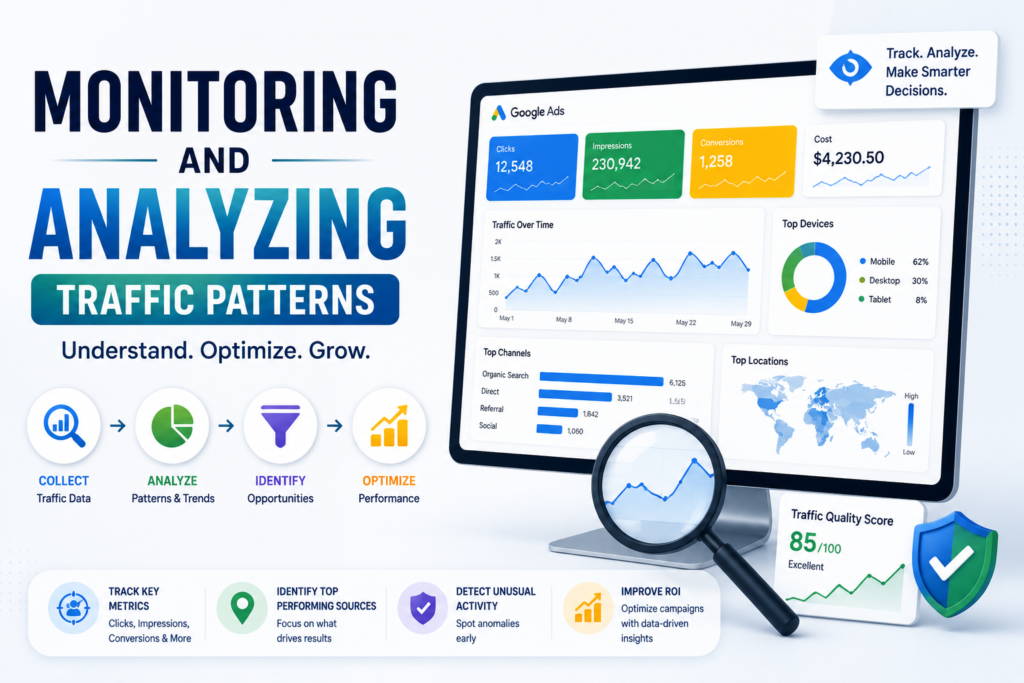
Strategic monitoring of your campaign performance prevents the risk of burning list interest. By relying on hard data, you can refine your email marketing efforts to ensure they remain helpful rather than intrusive. Consistent oversight allows you to pivot before your audience decides to opt out permanently.
Tracking Unsubscribe Rates During Campaigns
Your unsubscribe rate serves as an immediate feedback loop for your messaging strategy. If you notice a sudden spike in departures during a high-urgency promotion, it is a clear signal that your tone may be too aggressive. Monitoring these fluctuations in real-time helps you identify which specific subject lines or offers are causing friction.
You should compare these spikes against your baseline averages to determine if the loss is an outlier or a trend. If the numbers remain elevated, consider scaling back the frequency of your time-sensitive emails. Protecting your subscriber base is always more valuable than a single short-term conversion.
Analyzing Click-Through Rates as a Health Indicator
Click-through rates (CTR) act as a primary health indicator for your overall content strategy. A healthy CTR suggests that your audience finds genuine value in your messages, even when you apply pressure through deadlines. Consistently low engagement, however, indicates that your subscribers are becoming desensitized to your calls to action.
When you see your CTR decline over several campaigns, it is time to re-evaluate your approach to email marketing. You might need to shift your focus back to educational content or exclusive value-adds to rebuild interest. By making these informed adjustments, you avoid the common trap of burning list engagement and maintain a sustainable relationship with your readers.
Common Mistakes That Damage Subscriber Trust
Even the most well-intentioned email campaigns can inadvertently alienate your audience if you aren’t careful. Building a sustainable connection with your subscribers requires a delicate balance between driving action and respecting their inbox space. When you prioritize short-term gains over long-term relationships, you risk burning list engagement and losing your most loyal customers.
Overusing “Last Chance” Messaging
It is tempting to use high-pressure language to boost immediate sales, but constant repetition leads to diminishing returns. When every email claims to be a “final notice,” your subscribers eventually stop believing you. This tactic creates a sense of fatigue that makes your audience ignore future communications entirely.
To maintain credibility, reserve high-intensity language for truly significant events. Overusing urgency in marketing signals to your readers that your deadlines are arbitrary rather than genuine. Consider these common pitfalls that often lead to subscriber frustration:
- Sending “last chance” emails for promotions that are actually extended.
- Using aggressive countdown timers for minor, everyday content.
- Creating a false sense of scarcity that contradicts your actual inventory levels.
Ignoring the Frequency of Your Sends
Sending too many emails in a short window is a primary cause of burning list health. Even if your content is high-quality, bombarding your audience can lead to a spike in unsubscribe rates. You must monitor how often your subscribers hear from you to ensure you remain a welcome guest in their inbox rather than a nuisance.
Respecting your audience’s time is a fundamental aspect of professional email strategy. If you notice a decline in open rates, it may be time to audit your sending schedule. By focusing on value-driven communication rather than sheer volume, you protect your brand reputation and keep your audience engaged for the long haul.
Balancing Promotional Urgency with Value-Driven Content
Strategic email marketing relies on the delicate equilibrium between urgency and education. If you rely solely on high-pressure tactics, your subscribers will eventually tune out your messages. To keep your audience engaged, you must ensure that every email serves a clear purpose beyond just driving a quick sale.
The 80/20 Rule for Email Marketing
A proven method for maintaining this balance is the 80/20 rule. This principle suggests that 80% of your content should provide genuine value, such as educational tips, industry insights, or helpful resources. Only 20% of your communications should focus on direct sales or creating a strong sense of urgency.
By prioritizing value, you build a foundation of trust with your readers. When you finally do introduce a time-sensitive offer, your audience is more likely to respond because they view your brand as a helpful partner rather than just a vendor. This approach prevents list fatigue and keeps your open rates healthy over the long term.
Maintaining Brand Authority Between Sales Cycles
Your relationship with subscribers should not disappear when a promotion ends. You must maintain your brand authority during the quiet periods between sales cycles to stay top-of-mind. Consistent, high-quality content reinforces your expertise and keeps your audience interested in your perspective.
Consider the following comparison to help structure your email calendar effectively:
| Content Type | Primary Goal | Frequency | Impact on Urgency |
|---|---|---|---|
| Educational Newsletters | Build Trust | High | Neutral |
| Industry Insights | Establish Authority | Medium | Low |
| Flash Sales | Drive Revenue | Low | High |
| Customer Spotlights | Social Proof | Medium | Low |
By diversifying your messaging, you ensure that a sense of urgency remains a powerful tool rather than a crutch. When you respect your subscribers’ time and inbox space, they will reward you with higher engagement and long-term loyalty. Always aim to provide more than you ask for, and your email strategy will remain both sustainable and profitable.
Grow Your Business With Smarter Email Marketing
Everything you need to create urgency, boost conversions, and keep subscribers engaged is waiting for you. Start with a free account or unlock advanced features with a plan built for growing businesses.
Conclusion
Building a lasting connection with your audience requires a delicate balance between psychological triggers and genuine value. You now possess the tools to craft urgency that respects your subscribers while driving meaningful action.
Your email marketing strategy serves as a powerful engine for business growth when managed with integrity. Every campaign you send acts as a reflection of your brand values. Prioritize transparency to keep your list engaged and loyal over the long term.
Trust remains your most valuable asset in the digital marketplace. Protect this relationship by ensuring every time-sensitive offer provides real benefits to your customers. Consistent, honest communication turns casual readers into dedicated brand advocates.
Take these insights and apply them to your next outreach effort. Monitor your metrics closely to refine your approach based on real subscriber behavior. Your commitment to ethical persuasion will yield better results than any aggressive tactic ever could.
FAQs
How can I effectively create urgency without damaging my long-term sender reputation?
The key to the ability to create urgency lies in the balance between high-converting tactics and subscriber respect. You must prioritize transparent communication and ensure every time-sensitive claim is authentic. By using segmentation through platforms like Klaviyo or Mailchimp to target only the most responsive segments of your audience, you avoid overwhelming those who aren’t ready to buy, thereby protecting your brand authority and sender score.
What is the psychological reason that a sense of urgency drives more sales?
This strategy taps into the Fear of Missing Out (FOMO) and the principle of scarcity. When you implement a sense of urgency, you increase the perceived value of an offer because your subscribers recognize that the opportunity is limited. This psychological trigger compels immediate action and reduces the likelihood of “procrastination at the checkout,” which is a common barrier in email marketing.
How do I avoid the trap of a burning list when running frequent promotions?
To prevent a burning list, you must strictly follow the 80/20 rule, ensuring that 80% of your content provides pure value, education, or entertainment, while only 20% is purely promotional. Additionally, you should monitor your unsubscribe rates and click-through rates closely. If you notice a dip in engagement, it is an indicator that your urgency in marketing has become too aggressive and you need to scale back the frequency of your “last chance” messaging.
What are the most reliable urgency tactics for subject lines?
The most effective urgency tactics for subject lines involve action-oriented language and time-bound phrases. Using specific deadlines, such as “Offer ends at midnight,” is far more persuasive than vague terms like “Ending soon.” By clearly communicating the expiration of a deal, you provide the necessary nudge for subscribers to open the email immediately without resorting to deceptive clickbait.
Is it ethical to use countdown timers in my email campaigns?
Yes, it is ethical as long as the timer reflects a genuine deadline. Utilizing visual cues like countdown timers from services such as MotionMail or Deadline Funnel provides a clear, real-time representation of remaining time. The ethical boundary is crossed only if you use artificial scarcity—such as a timer that resets every time the page is refreshed—which quickly erodes the trust you have built with your audience.
How can I use automation to implement urgency in marketing?
You can leverage behavioral triggers to deliver timely messages that feel personalized rather than pressured. Setting up abandoned cart sequences or post-purchase upsells allows you to create urgency based on specific actions your customers have taken. This ensures the message is relevant to their current stage in the buyer’s journey, making the time-sensitive offer feel like a helpful reminder rather than an unwanted intrusion.
What are the risks of overusing “last chance” messaging in my emails?
Overusing “last chance” or “final call” messaging leads to diminishing returns. If your subscribers realize that a “last chance” offer is followed by another identical deal the next week, your urgency tactics lose all credibility. This inconsistency teaches your audience to ignore your deadlines, effectively neutralizing one of the most powerful tools in your email marketing arsenal.