






Welcome to the second phase of our journey toward digital excellence. This week, we focus on building a robust email content strategy that aligns perfectly with your core business goals. Establishing a clear path forward ensures that every message you send resonates with your target audience.
Success in modern marketing requires more than just creativity. It demands a disciplined approach to affiliate planning and a consistent content review process. By integrating these pillars, you create a foundation that supports long-term growth and measurable results.
This recap serves as a bridge to the technical deep dives ahead. We will examine how these elements work together to optimize your workflow. Prepare to refine your operations and elevate your brand presence through these proven frameworks.
Key Takeaways
- Align your messaging with overarching business objectives for maximum impact.
- Implement a structured approach to manage your digital outreach effectively.
- Use data-driven insights to refine your promotional partnerships and offers.
- Maintain high standards through regular assessments of your published materials.
- Prepare for advanced technical implementation in the upcoming sections.
Building a High-Performance Email Strategy
Align your content, affiliates, and data insights to drive measurable growth and long-term engagement.
Foundations of a Robust Email Content Strategy
Your email content strategy serves as the backbone for every interaction you have with your subscribers. Establishing a solid foundation is the most critical step toward achieving long-term marketing success. By focusing on clarity and intent, you ensure that every message resonates with your audience.
Defining Your Core Value Proposition
A strong value proposition explains exactly why a subscriber should care about your emails. It is the promise you make to your audience regarding the benefits they will receive. When you clearly articulate this value, you build trust and encourage consistent engagement.
To define your proposition, ask yourself what unique problem your brand solves for the reader. Your email content strategy should focus on delivering solutions rather than just pushing products. This approach fosters authority and keeps your brand top-of-mind.
Mapping Subscriber Personas to Content Pillars
Once you understand your value, you must organize your messaging through content pillars. These pillars act as thematic buckets that keep your communication consistent and relevant. By mapping these pillars to specific subscriber personas, you ensure that the right message reaches the right person.
The following table illustrates how different subscriber needs align with specific content pillars to drive better results:
| Subscriber Persona | Primary Need | Content Pillar |
|---|---|---|
| The New Prospect | Educational Resources | Industry Insights |
| The Active Customer | Product Optimization | Technical Tutorials |
| The Loyal Advocate | Exclusive Updates | Community News |
Using this structured approach allows you to maintain a high level of relevance across your entire list. When you align your email content strategy with these distinct segments, you minimize unsubscribes and maximize conversion potential. Consistency in these pillars is the key to long-term growth.
The Role of Affiliate Planning in Your Marketing Mix
Integrating affiliate planning into your broader marketing strategy transforms passive outreach into a high-performance revenue engine. By treating partnerships as a core pillar rather than an afterthought, you create a sustainable ecosystem that rewards both your brand and your subscribers.
This strategic layer ensures that every external promotion feels like a natural extension of your existing value-driven content. When executed with precision, these relationships amplify your reach while maintaining the professional standards your audience expects.
Identifying High-Converting Affiliate Partners
Success begins with selecting partners who mirror your brand’s mission and technical expertise. You must look beyond simple commission rates and evaluate the long-term compatibility of potential collaborators.
Effective affiliate planning involves vetting partners based on their content quality, audience engagement metrics, and ethical standards. Prioritize those who demonstrate a deep understanding of your industry, as they are more likely to provide value that resonates with your specific subscriber base.
“The most successful partnerships are built on a foundation of shared values and a mutual commitment to solving the customer’s most pressing problems.”
Aligning Affiliate Offers with Audience Needs
Once you have secured the right partners, the next step is matching their specific offers to the unique pain points of your subscribers. A generic approach rarely yields high conversion rates, as modern professionals demand solutions that address their immediate challenges.
Map every affiliate offer directly to a specific segment of your audience. By personalizing the recommendation, you ensure that the product or service acts as a bridge to a better outcome for the user. This thoughtful alignment turns a standard sales pitch into a helpful resource, fostering trust and increasing your overall conversion potential & Content Strategy.
Conducting a Comprehensive Content Review
Transforming your email marketing results starts with a deep dive into your existing assets. A systematic content review is essential for maintaining the efficiency and security of your digital infrastructure. By evaluating past performance, you move away from guesswork and toward a strategy built on concrete evidence.
Auditing Existing Email Assets
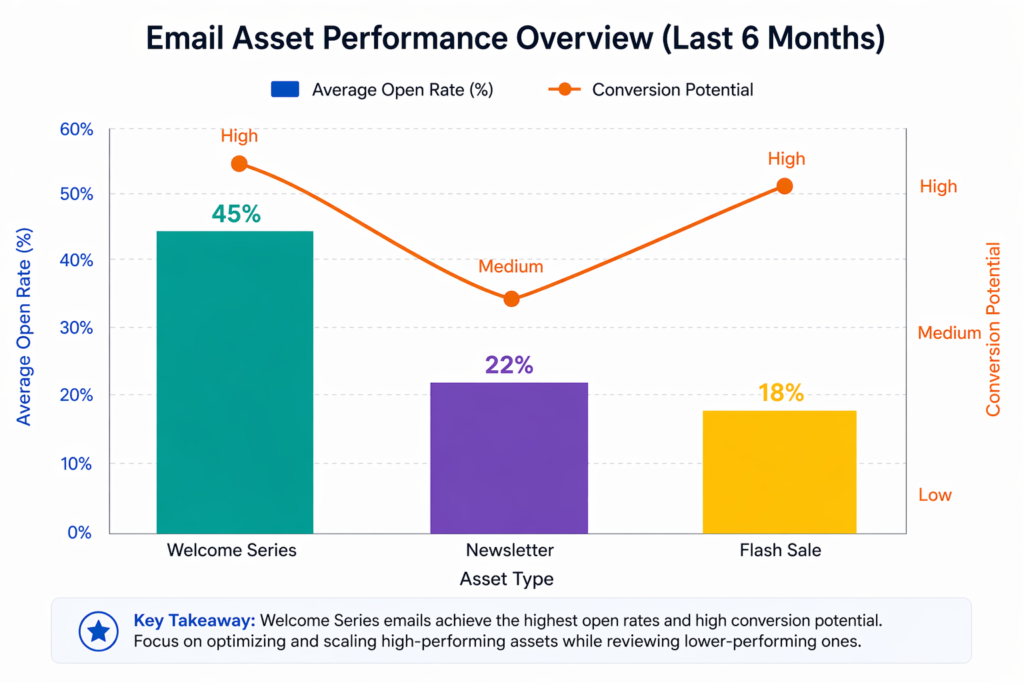
To begin your audit, gather data from your previous six months of campaigns. You should categorize these assets by their primary goal, such as lead nurturing, promotional sales, or brand awareness. This content review allows you to see which templates and messaging styles resonate most with your audience.
“Data is the compass that guides your creative strategy toward measurable success.”
Use the following table to organize your findings and prioritize which assets require immediate updates or retirement:
| Asset Type | Average Open Rate | Conversion Potential |
|---|---|---|
| Welcome Series | 45% | High |
| Newsletter | 22% | Medium |
| Flash Sale | 18% | High |
Identifying Performance Gaps and Opportunities
Once you have mapped your assets, look for clear performance gaps where engagement drops off. These dips often indicate that your content is no longer aligned with subscriber expectations or current market trends. A thorough content review helps you identify these weak points before they impact your overall deliverability.
Pivoting your strategy is the final step in this process. By capitalizing on high-performing segments, you can create new opportunities for growth. Ensure that your future efforts remain rooted in these data-backed insights to maintain a competitive edge in your industry.
Mastering Email Marketing Tactics for Engagement
Modern email marketing tactics are the bridge between your brand and your audience’s inbox. By moving beyond generic blasts, you create a personalized experience that resonates with individual needs . This approach fosters trust and ensures your content remains relevant in a crowded digital landscape.
Segmentation Strategies for Targeted Messaging
Effective segmentation requires looking past basic demographics like age or location. You should focus on behavioral data to understand how subscribers interact with your previous emails. By tracking clicks, purchase history, and site activity, you can group users into highly specific segments.
This granular approach allows you to send content that feels custom-made for the recipient. When you align your messaging with actual user behavior, you significantly increase the likelihood of conversion. These sophisticated segmentation strategies are essential for maintaining a professional connection with your audience.
Optimizing Subject Lines and Preheaders
Your subject line is the first impression you make in a busy inbox. To maximize open rates, keep your subject lines concise and benefit-oriented. Using action-driven language encourages users to click through and engage with your core message.
The preheader text acts as a secondary hook that supports your subject line. Use this space to provide context or create a sense of urgency that complements your main headline. Mastering these email marketing tactics ensures that your brand stands out amidst the daily noise of promotional messages.
| Metric | Standard Approach | Advanced Strategy |
|---|---|---|
| Segmentation | Demographic-based | Behavioral-based |
| Subject Lines | Generic/Static | Personalized/Dynamic |
| Preheaders | Often ignored | Strategic hooks |
| Engagement | Low to Moderate | High and Consistent |
Advanced Email Campaign Optimization Techniques
True mastery of your marketing funnel begins when you stop guessing and start testing. Email campaign optimization is not a one-time task but a cycle of constant refinement. By adopting a scientific mindset, you ensure that every message you send performs better than the last.
Mastering Email Marketing & Affiliate Growth
Leverage structured planning, advanced optimization, and content analysis to maximize ROI and audience impact.
A/B Testing for Continuous Improvement
To achieve reliable results, you must understand the technical nuances of A/B testing. Start by isolating a single variable, such as your subject line or call-to-action button color, to ensure your findings are accurate. Statistical significance is your best friend here; it prevents you from making changes based on random chance.
Always ensure your sample size is large enough to provide a clear winner. If your audience is small, consider running tests over a longer period to gather sufficient data. This rigorous approach to email campaign optimization turns raw numbers into a clear roadmap for future success.
“Quality is never an accident; it is always the result of high intention, sincere effort, intelligent direction and skillful execution.”
Analyzing Click-Through Rates and Conversion Data
Once your tests conclude, the real work of interpreting the data begins. Look beyond simple open rates and focus on click-through rates to see what truly resonates with your subscribers. High engagement at this stage indicates that your content aligns perfectly with user intent.
Conversion data provides the final piece of the puzzle by showing which messages drive actual revenue. Use these insights to refine your design elements and messaging strategy for future broadcasts. By consistently applying these email campaign optimization techniques, you build a more efficient and profitable marketing engine.
Strategic Affiliate Program Management
Successful affiliate program management hinges on the delicate balance between human connection and data-driven precision. You must treat your partners as extensions of your brand rather than just traffic sources. This mindset shift fosters loyalty and ensures that your promotional efforts remain authentic to your audience.
Building Long-Term Relationships with Affiliates
The foundation of a sustainable network lies in transparent communication. When you provide your partners with clear guidelines, creative assets, and timely updates, you empower them to represent your brand effectively. Mutual value is the key to keeping top-tier affiliates engaged over the long term.
Consider these essential practices to strengthen your partnerships:
- Provide regular feedback on campaign performance to help partners optimize their efforts.
- Offer exclusive incentives or early access to new products to reward high-performing affiliates.
- Maintain an open line of communication to address concerns and resolve issues quickly.
- Ensure your brand values align with the content strategies of your partners.
Tracking Performance Metrics and ROI
Rigorous data analysis is necessary to maintain the profitability of your channels. You need to implement robust tracking systems that capture every click, lead, and conversion accurately. Without precise data, you cannot make informed decisions about where to invest your marketing budget.
Effective affiliate program management requires you to monitor specific key performance indicators consistently. By calculating your return on investment (ROI) for each partner, you can identify which relationships drive the most value. Focus your resources on high-converting segments to maximize your overall growth and ensure your affiliate network remains a healthy, profitable asset for your business.
Refining Your Content Analysis Workflow
You can transform raw metrics into a powerful growth engine by refining your approach to data. A consistent content analysis workflow allows your team to remain agile while responding to shifting market conditions. By standardizing how you review performance, you turn scattered numbers into a clear roadmap for future success.
Tools for Tracking Content Effectiveness
To gain a complete picture of your email performance, you must utilize the right technology stack. Relying on a single metric often leads to incomplete conclusions. Instead, integrate multiple data sources to verify your findings.
- Email Service Provider (ESP) Dashboards: Essential for tracking open rates and click-through rates in real-time.
- Google Analytics: Vital for monitoring how subscribers behave once they land on your website.
- Heatmap Software: Provides visual evidence of which links or sections capture the most attention.
The following table outlines how different tools contribute to your overall content analysis strategy:
| Tool Category | Primary Metric | Strategic Value |
|---|---|---|
| ESP Analytics | Engagement Rate | Campaign Health |
| Web Analytics | Conversion Rate | Revenue Attribution |
| Heatmap Tools | Click Density | Layout Optimization |
Turning Data Insights into Actionable Steps
Data is only valuable when it leads to meaningful change. Once you have gathered your metrics, you must synthesize them into a list of actionable steps. Avoid the trap of “analysis paralysis” by focusing on the most impactful trends first.
Start by identifying the top three pieces of content that drove the highest engagement. Ask yourself why these specific messages resonated with your audience. Use these findings to inform your next round of testing, ensuring that every future campaign is better than the last.
Finally, document your findings in a shared repository. This practice ensures that your entire team learns from past results, creating a culture of continuous improvement. Effective content analysis is not a one-time task; it is a recurring cycle that keeps your strategy sharp and your audience engaged.
Email Copywriting Best Practices for Conversions
Mastering email copywriting best practices is the secret to turning passive readers into loyal customers. Professional communication requires a delicate balance between providing genuine value and driving necessary sales conversions. When you align your message with the specific needs of your audience, you build trust that naturally leads to higher engagement.
Crafting Persuasive Calls to Action
Your call to action (CTA) serves as the final nudge that guides a subscriber toward a desired outcome. To be effective, a CTA must be clear, concise, and action-oriented. Avoid generic phrases like “click here” and instead use descriptive language that highlights the benefit of the action.
Effective CTAs should feel like a natural extension of the email content rather than an aggressive demand. By using high-contrast buttons and strategic placement, you ensure that your subscribers know exactly what step to take next. Consider the following comparison of CTA strategies to optimize your click-through rates:
| CTA Style | Primary Benefit | Best Use Case |
|---|---|---|
| Direct Benefit | Clear value proposition | Product launches |
| Curiosity-Driven | High click-through rate | Educational content |
| Urgency-Based | Immediate action | Limited-time offers |
Balancing Value-Driven Content with Sales Pitches
Maintaining high engagement requires you to prioritize the subscriber’s experience above all else. A common mistake is sending emails that are purely transactional, which often leads to higher unsubscribe rates. Instead, follow the 80/20 rule: provide 80% educational or entertaining content and reserve 20% for your sales pitch.
“The goal of marketing is to know and understand the customer so well the product or service fits him and sells itself.”
Structure your emails to lead with a solution to a specific problem your audience faces. Once you have established your authority and provided value, you can transition smoothly into your offer. This approach ensures that your sales pitches feel like helpful recommendations rather than intrusive advertisements, ultimately reinforcing your brand’s reliability.
Scaling Affiliate Revenue Growth Strategies

You can significantly boost your bottom line by aligning your affiliate efforts with seasonal consumer behaviors. Scaling your affiliate revenue growth strategies requires a proactive approach to identifying and capitalizing on market shifts before your competitors do. By anticipating these changes, you transform your program from a passive channel into a high-performing engine for consistent income.
Leveraging Seasonal Trends for Affiliate Sales
Seasonal trends provide a predictable framework for planning your promotional calendar. Whether it is the surge in retail activity during the winter holidays or the back-to-school rush, these spikes offer prime opportunities to maximize your reach. You should map out your content to align with these peak periods to ensure your offers remain relevant to your audience.
To effectively capture this traffic, consider these strategic steps:
- Create dedicated landing pages for seasonal promotions to improve conversion rates.
- Prepare your affiliate links and creative assets at least one month before the season begins.
- Analyze historical data to identify which specific products performed best during previous cycles.
Automating Affiliate Outreach and Management
As your network expands, manual management becomes a bottleneck that hinders your affiliate revenue growth strategies. Automating your outreach allows you to maintain high standards of performance without increasing your daily workload. By utilizing modern CRM tools and affiliate management platforms, you can streamline communication and ensure that your partners have the resources they need to succeed.
Automation is not just about saving time; it is about improving consistency across your entire partner ecosystem. When you automate routine tasks like onboarding, performance tracking, and commission payouts, you free up your schedule to focus on high-level relationship building. This shift in focus ensures that your program remains scalable while you continue to deliver value to your audience and your affiliates alike.
Overcoming Common Content Strategy Challenges
Navigating the inevitable hurdles of content production is a hallmark of a truly successful email marketer. Even the most sophisticated frameworks encounter friction when faced with the demands of a consistent publishing schedule. Recognizing these obstacles early allows you to pivot effectively without losing momentum or compromising your brand voice.
Managing Content Burnout and Consistency
Consistency is the lifeblood of your email marketing success, yet it often leads to creative fatigue. To maintain your output without sacrificing quality, you must move away from ad-hoc creation and toward structured production workflows. Implementing a sustainable system ensures that your audience receives value on a predictable timeline.
Consider these practical strategies to prevent burnout while keeping your calendar full:
- Batch your content creation: Dedicate specific days to drafting, editing, and scheduling to minimize context switching.
- Utilize modular templates: Build reusable layouts that allow you to swap content blocks quickly while maintaining a professional aesthetic.
- Establish a content bank: Keep a running list of evergreen ideas that you can pull from during periods of low creative energy.
- Set realistic milestones: Avoid the trap of over-committing; it is better to send one high-quality email per week than three mediocre ones.
Adapting to Changing Subscriber Behaviors
Your audience is not static, and their preferences will naturally evolve over time. Staying relevant requires you to act as a keen observer of your own data. By monitoring engagement trends, you can identify when your current messaging no longer resonates with your subscribers’ needs.
When you notice a dip in open rates or click-throughs, do not panic. Instead, treat these metrics as valuable feedback loops that guide your next steps. Use the following approach to adjust your strategy effectively:
The measure of a successful strategy is not its rigidity, but its capacity to evolve alongside the people it serves.
Start by segmenting your list to test new content angles with smaller groups. Analyze the performance of these tests to see if specific topics or formats drive higher interaction. Finally, apply these insights to your broader strategy, ensuring your messaging remains aligned with the current interests of your community.
From Strategy to Scale: Email & Affiliate Excellence
Transform your outreach with data-driven workflows, targeted messaging, and scalable affiliate systems.
Conclusion
Building a sustainable marketing ecosystem requires precision and a commitment to data-driven refinement. You now possess a comprehensive framework to elevate your email marketing and affiliate planning efforts. These technical strategies provide the foundation needed to drive consistent engagement and long-term revenue.
Apply these insights to your current campaigns to ensure peak efficiency. Monitor your performance metrics closely to adapt to shifting subscriber behaviors. Small adjustments to your content pillars or affiliate partnerships often yield significant improvements in your overall return on investment.
Your path to growth involves continuous testing and optimization. Use the tools and workflows outlined to maintain momentum in a competitive digital landscape. Share your progress with your team to align your goals and maximize the impact of your outreach.
Take the next step by auditing your existing assets today. Refine your messaging to better serve your audience needs. Your dedication to these professional standards will secure your brand position and foster lasting success.