
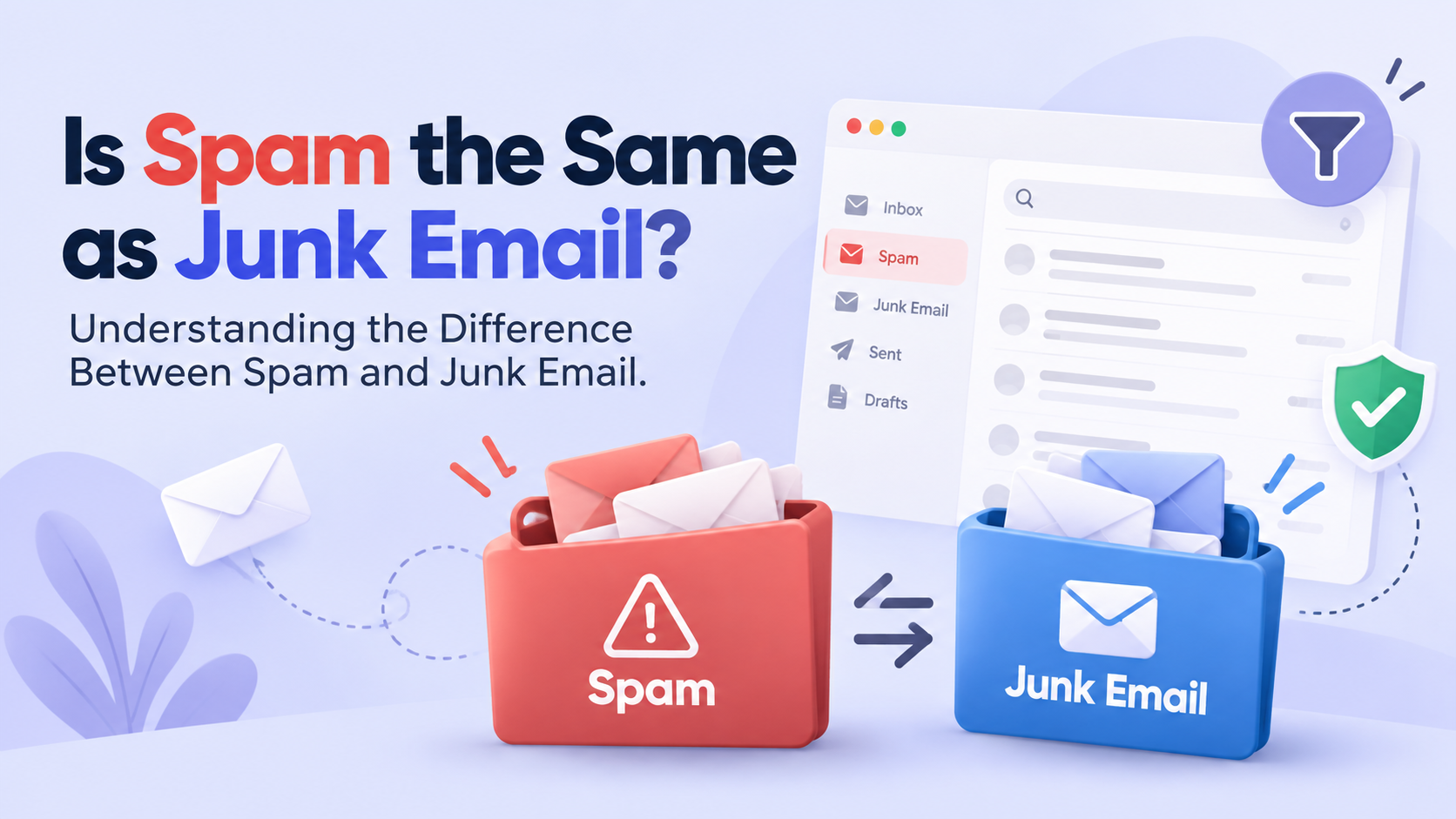





Have you ever wondered if your inbox filters treat every unwanted message with equal suspicion? While people often use these terms interchangeably, is spam the same as junk mail? Understanding is spam the same as junk mail helps you protect your digital privacy and manage your communications effectively.
Typically, unsolicited bulk messages or deceptive content fall under one category, while broader unwanted communications fit another. Recognizing these nuances allows you to navigate phishing risks and marketing consent with greater confidence.
In this guide, we explore is spam the same as junk mail and how modern filtering technology works to keep your inbox clean. You will learn how to identify threats and maintain better control over your personal data.
Key Takeaways
- Spam often involves deceptive or malicious intent, whereas junk refers to unwanted but legitimate marketing.
- Filtering technology uses specific algorithms to categorize incoming messages based on sender reputation.
- Phishing risks represent a primary danger associated with unsolicited bulk communications.
- Managing marketing consent helps reduce the volume of unwanted messages you receive daily.
- Safe email practices are essential for maintaining a secure and organized digital workspace.
Take Control of Your Email
Keep your email campaigns organized, relevant, and easier to manage with MailerRocket. Build better campaigns while understanding how spam and junk filtering affects recipients.
Is Spam the Same as Junk Mail?
When you open your inbox, you likely see folders labeled “Spam” or “Junk,” yet you might wonder, is spam the same as junk mail, or if there is a real difference between them. While many people treat these terms as synonyms, understanding the spam vs junk mail debate helps you manage your digital life more effectively.
Why people use “spam” and “junk mail” interchangeably
In everyday conversation, most users refer to any unwanted message as spam, which is why many ask, is spam the same as junk mail. This habit stems from the question is spam the same as junk mail, since both types of messages clutter your inbox and distract you from important communications. Because the end result is the same, an annoying notification, the technical labels often lose their meaning for the average person.
“The distinction between what we consider junk and what we classify as spam is often a matter of intent rather than just the content itself.”
The practical distinction between spam and junk email
There is a subtle but important difference when asking is spam the same as junk mail and looking at spam vs junk mail. To understand is spam the same as junk mail, spam typically refers to unsolicited, bulk messages sent to thousands of recipients at once, often with malicious or deceptive intent. In contrast, junk mail is a broader category that includes legitimate marketing emails you may have signed up for but no longer wish to receive.
| Feature | Spam | Junk Mail |
|---|---|---|
| Primary Intent | Deception or bulk advertising | Marketing or newsletters |
| User Consent | Never requested | Often previously opted-in |
| Risk Level | High (Phishing/Malware) | Low (Annoyance) |
How email providers label unwanted messages
Email providers like Gmail, Outlook, and Yahoo use complex algorithms to sort your incoming messages when determining is spam the same as junk mail. These systems assess multiple risk signals, such as sender reputation and authentication records, to decide where a message belongs. Even if a provider uses the term “Spam” or “Junk” as a folder name, the underlying logic is designed to protect you from various threats.
Ultimately, the spam vs junk mail classification is a tool for your convenience. By filtering these messages, providers ensure that your primary inbox remains clear for the people and services that matter most to you.
Spam vs. Junk Mail: The Core Difference
While many people ask is spam the same as junk mail, there is a distinct difference between spam and junk mail that affects how your inbox functions. Understanding is spam the same as junk mail helps you manage your digital space and ensures that you do not accidentally delete important communications.
Spam as unsolicited bulk or deceptive messaging
When considering is spam the same as junk mail, spam is defined as unsolicited, bulk, or deceptive communication sent to a large number of recipients without their consent. These messages often carry malicious intent, such as phishing attempts, malware distribution, or fraudulent schemes designed to steal your personal data.
Because these messages are sent without meaningful permission, they are inherently harmful. Email providers work aggressively to identify and block these threats before they ever reach your primary inbox.
Junk mail as a broader category of unwanted email
Is spam the same as junk mail? Junk email acts as a much broader umbrella term for any message you do not want to see. Unlike spam, junk mail is often lawful and originates from legitimate businesses or organizations.
These messages are not necessarily malicious, which helps explain is spam the same as junk mail, but they are frequently irrelevant to your current needs. Common examples include:
- Unsolicited promotional offers from companies you have never interacted with.
- Outdated notifications from services you no longer use.
- General advertisements that clutter your workspace.
Where legitimate marketing messages fit
Distinguishing between malicious spam and legitimate marketing is vital when considering is spam the same as junk mail and maintaining a clean inbox. Many emails that feel like “junk” are actually messages you once requested but no longer find valuable.
Subscribed newsletters and promotional email
If you previously signed up for a newsletter or a discount program, those emails are technically legitimate. They are sent with your initial permission, even if you have lost interest in the content over time.
Legitimate marketing is characterized by clear opt-out links and transparent sender information. These messages are not spam, as they comply with regulations regarding user consent.
Graymail and messages you no longer want
Graymail refers to messages that sit in a gray area between wanted and unwanted. You may have subscribed to these updates years ago, but they no longer provide value to your daily life.
Because these messages are not fraudulent, they do not trigger the same security filters as spam, which helps explain is spam the same as junk mail. Recognizing is spam the same as junk mail and this difference between spam and junk mail allows you to use unsubscribe features effectively rather than simply marking them as malicious.
How Spam and Junk Email Reach Your Inbox
Many users often ask is spam the same as junk mail when they notice their inbox filling up with unsolicited offers. While the terms are often used interchangeably, the methods used to acquire your contact information are remarkably consistent across both categories. Understanding these pathways is the first step toward reclaiming your digital privacy.
Purchased, shared, or exposed email addresses
When asking is spam the same as junk mail, it is important to understand that marketing companies and malicious actors frequently trade or sell lists of active email addresses. When you sign up for a service, your data might be shared with third-party partners if you do not opt out of their privacy policies. Once your address enters these databases, it can be sold repeatedly to various advertisers and spammers.
Website forms, contests, and public directories
Participating in online contests or entering your email into suspicious website forms is a common way to understand is spam the same as junk mail and how unwanted messages begin. Many of these platforms exist solely to collect and monetize user data. You should also be cautious about posting your email address on public forums, social media, or online directories, as these are prime hunting grounds for automated scrapers.
Data breaches and automated address harvesting
Automated address harvesting is a sophisticated process where bots scan the internet for patterns that resemble email addresses. These tools crawl websites, scrape public databases, and even infiltrate compromised accounts to build massive lists. Data breaches are another major source, as hackers often dump stolen user credentials onto the dark web for others to exploit, raising the question is spam the same as junk mail.
- Scraping: Bots scan websites for the “@” symbol to collect addresses.
- Breaches: Stolen databases from major companies are sold to bad actors.
- Sharing: Third-party marketing agreements often include your contact info.
Why replying or clicking can increase future messages
Interacting with an unwanted message is essentially a signal to the sender that your account is active and monitored, regardless of whether is spam the same as junk mail. When you click a link or reply to a message, you confirm that a real human is behind the screen. This validation makes your address significantly more valuable, leading to a surge in future spam. It is important to remember that asking if spam mail is the same as junk mail is less important than knowing how to avoid engaging with either type of message.
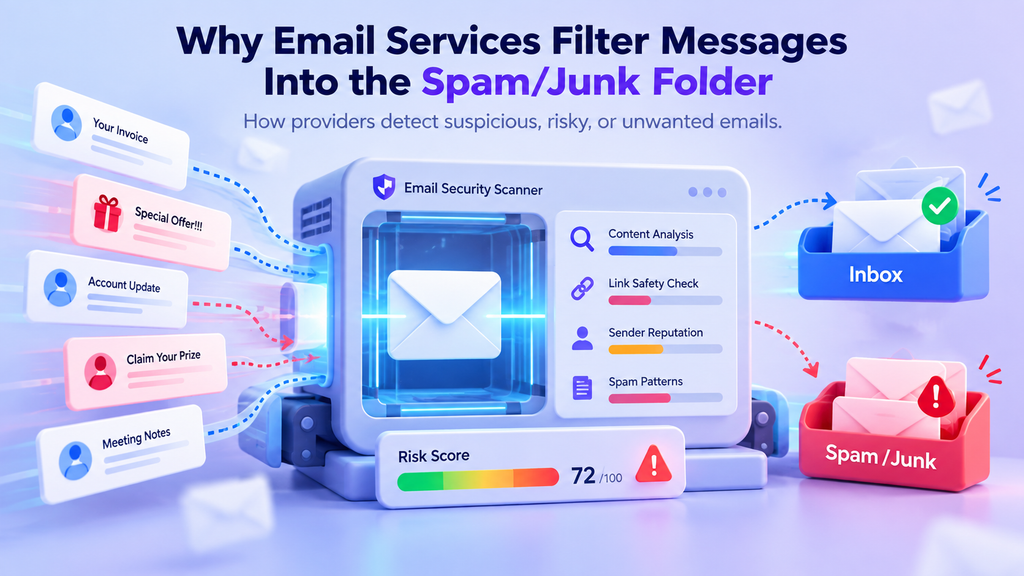
Why Email Services Filter Messages Into the Spam Junk Email Folder
When you ask, is spam the same as junk mail, the answer often lies in how your email provider filters incoming traffic. These services use complex, automated systems to evaluate every message that hits their servers. These services use complex, automated systems to evaluate every message that hits their servers. By analyzing dozens of data points, they aim to protect your inbox from clutter and potential threats.
Sender reputation and sending behavior
Email providers track the history of every sender when determining is spam the same as junk mail. If a domain consistently sends high volumes of mail that users ignore or delete, its sender reputation drops significantly. Sudden spikes in sending volume from a previously quiet account often trigger automated red flags.
Authentication records such as SPF, DKIM, and DMARC
To verify that a sender is who they claim to be, providers check specific authentication records when determining is spam the same as junk mail. SPF (Sender Policy Framework), DKIM (DomainKeys Identified Mail), and DMARC (Domain-based Message Authentication, Reporting, and Conformance) act as digital passports. These protocols confirm that the email originated from an authorized server, preventing bad actors from spoofing legitimate brands.
Suspicious links, attachments, and message content
Filters scan the body of your emails for malicious patterns when determining is spam the same as junk mail. They look for suspicious URLs, dangerous file attachments, or language commonly associated with scams. If a message contains hidden scripts or links to known phishing sites, the system will automatically divert it to your junk folder.
User reports and personalized mailbox rules
Your own actions play a vital role in how filters learn. When you mark a message as junk, you provide the system with data to improve its accuracy for everyone. Additionally, you can create personalized mailbox rules to force specific senders into your spam folder, giving you direct control over your digital environment.
Why a legitimate email can be misclassified
Sometimes, a perfectly safe message ends up in the wrong folder. This usually happens if the sender has poor authentication records or if the content triggers a false positive in the filter’s algorithm. While it is frustrating, understanding that is junk mail and spam the same in the eyes of a filter helps explain why these errors occur.
Why a dangerous message can sometimes bypass filtering
Sophisticated attackers constantly evolve their tactics to evade detection. They may use compromised legitimate accounts or craft messages that mimic personal correspondence to bypass automated checks. Because no filter is perfect, it remains essential to stay vigilant even when an email reaches your primary inbox.
How to Tell Spam, Junk Mail, Phishing, and Graymail Apart
Many users often wonder, is junk and spam the same thing when they encounter suspicious messages? While these terms are often used interchangeably, identifying the specific nature of an email is essential for your digital safety. Recognizing the subtle differences allows you to respond appropriately to everything from harmless newsletters to dangerous cyber threats.
Send Smarter, Not More Email
MailerRocket helps you create targeted campaigns, manage subscribers, and monitor engagement so your messages stay relevant and reduce unnecessary email clutter.
Warning signs of conventional spam
Conventional spam typically consists of unsolicited bulk messages sent to thousands of recipients at once. These emails often promote products, services, or questionable investment opportunities that appear too good to be true. The primary goal of spam is to capture your attention for marketing purposes, even if you never signed up for the list.
Warning signs of phishing and impersonation
Phishing is far more malicious than standard spam because it aims to steal your sensitive information, which is important when asking is spam the same as junk mail. You should be wary of messages that create a false sense of urgency, such as claims that your account will be locked or that you have a pending payment. These emails often impersonate trusted brands like banks or shipping companies to trick you into clicking harmful links.
“The most effective defense against phishing is a healthy dose of skepticism toward any message that demands immediate action or sensitive data.”
How graymail differs from clearly malicious email
Graymail occupies a middle ground between legitimate communication and outright spam. It usually consists of newsletters, social media notifications, or marketing updates that you once opted into but no longer find relevant. Unlike malicious phishing, graymail comes from a real sender you likely recognize, making it annoying rather than inherently dangerous.
When an unexpected message may still be legitimate
Sometimes, an email might look suspicious simply because you were not expecting it. Legitimate organizations may send automated receipts, password reset confirmations, or important policy updates that arrive without warning. Before you discard these, verify the source to ensure you are not deleting critical information.
Checking the sender address and domain
Always inspect the actual email address, not just the display name. Scammers often use spoofed domains that look nearly identical to official ones, such as replacing a letter with a similar-looking character. If the domain does not match the official website of the company, treat the message as a potential threat.
Inspecting links without opening them
You can safely preview a link destination by hovering your mouse cursor over it without clicking. This action reveals the actual URL in the bottom corner of your browser or email client. If the link points to a strange, long, or unrelated web address, avoid interacting with it entirely.
Is Spam Mail the Same as Junk Mail in Legal and Technical Terms?
You might assume is spam the same as junk mail, but the reality is more complex. While people often use these terms interchangeably, technical systems and legal statutes view them through different lenses. Understanding whether is spam and junk the same requires looking at how your inbox processes incoming messages versus how the law regulates commercial communication.
insta
How email providers define spam and junk
Email service providers like Gmail or Outlook use sophisticated algorithms to categorize incoming messages. They often group unwanted mail into a single folder, but their internal logic distinguishes between malicious threats and unsolicited bulk mail. Technical systems look for patterns, sender reputation, and authentication failures to decide where a message belongs.
What the CAN-SPAM Act covers in the United States
In the United States, the CAN-SPAM Act provides a legal framework for commercial email. This law does not ban unsolicited messages entirely but sets strict rules for senders. Companies must provide a clear way to opt out, include a valid physical address, and avoid deceptive subject lines.
Why legal marketing email can still feel like junk
Even if a company follows every rule under the CAN-SPAM Act, you may still consider their messages to be junk. Legal compliance only ensures that the sender is following federal guidelines, not that the content is relevant to your interests. If you receive frequent, unwanted newsletters from a brand you once purchased from, it is technically legal but still feels like clutter.
Why compliance does not guarantee inbox placement
Following the law is a baseline requirement, but it does not guarantee that an email will reach your primary inbox. Email providers prioritize user engagement and sender reputation over simple legal compliance. If many users mark a compliant email as junk, the provider will eventually filter that sender to the spam folder regardless of their legal status.
| Category | Legal Status | Technical Treatment | User Perception |
|---|---|---|---|
| Malicious Spam | Illegal/Fraudulent | Blocked/Filtered | Dangerous |
| Bulk Marketing | Legal (if compliant) | Filtered to Promotions | Annoying/Junk |
| Transactional | Required/Exempt | Delivered to Inbox | Important |
How to Manage Unwanted Email Safely
Protecting your personal information starts with understanding is spam the same as junk mail and how you handle the messages arriving in your inbox. By adopting a few simple habits, you can significantly reduce the volume of unwanted clutter and improve your overall digital security.
Use the spam or junk report feature
When you receive unsolicited messages, the most effective first step is to use the built-in reporting tools provided by your email service. Moving these messages into the spam junk email folder helps the provider learn your preferences. This action trains the automated filters to recognize similar patterns and block them for you in the future.
Unsubscribe from trusted senders you recognize
If you receive marketing emails from companies you previously interacted with, look for the unsubscribe link. Only use this option for trusted senders that you recognize. If a message looks suspicious or comes from an unknown source, avoid clicking any links, as this may confirm your address is active to malicious actors.
Block persistent senders and create targeted filters
For senders who continue to bypass standard filters, you can manually block their addresses. Most modern email platforms allow you to create custom filters based on specific keywords or sender domains. This proactive approach keeps your primary inbox organized and free from recurring distractions.
Protect your account and email address
Securing your account is the best defense against unwanted communication. A robust security posture prevents unauthorized access and keeps your data private.
Use a strong, unique password and multifactor authentication
Always use a strong, unique password for your email account to prevent breaches. Enabling multifactor authentication (MFA) adds an essential layer of security. This ensures that even if your password is compromised, your account remains protected from unauthorized use.
Limit where you publish your primary email address
Avoid posting your primary email address on public forums, social media, or open directories. Automated bots constantly scan the web to harvest addresses for mailing lists. Using a secondary or “burner” email address for online sign-ups can help keep your main inbox clean.
Delete suspicious messages without opening links or attachments
If a message seems off, trust your instincts and delete it immediately. Never open attachments or click links in emails from unknown sources, as these often contain malware or phishing traps. Simply removing the message is the safest way to handle potential threats.
| Action | Best For | Security Level |
|---|---|---|
| Report as Spam | Unsolicited bulk mail | High |
| Unsubscribe | Legitimate newsletters | Medium |
| Block Sender | Persistent unwanted mail | High |
| Delete Immediately | Suspicious phishing attempts | Maximum |
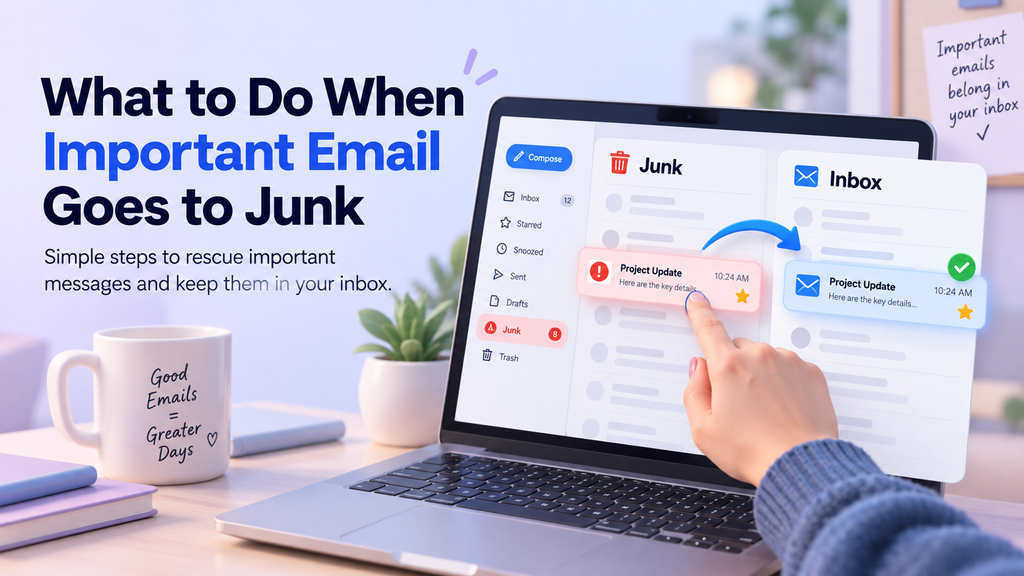
What to Do When Important Email Goes to Junk
Even the most advanced email systems occasionally make mistakes that hide critical communications. When you notice that a legitimate email in spam has been misclassified, do not panic, especially when considering is spam the same as junk mail. Most providers offer simple tools to correct these errors and restore your workflow.
Check the spam or junk folder before deleting messages
Before you clear out your junk folder, take a moment to scan the subject lines. Automated email filtering errors often catch messages from new contacts or automated systems. Regularly checking this folder ensures you do not accidentally delete an important notification or receipt.
Mark legitimate messages as not spam
If you find a message that belongs in your inbox, most email clients provide a “Not Spam” or “Report as Not Junk” button. Clicking this option teaches the system to recognize similar messages in the future. This simple action helps improve the accuracy of your personal filter over time.
“Communication is the bridge between confusion and clarity, but technology sometimes builds a wall where there should be a door.”
Add trusted senders to your contacts or safe-sender list
One of the most effective ways to prevent future issues is to maintain a safe-sender list. By adding a contact to your address book, you signal to your email provider that you trust the sender. This step is particularly useful for newsletters, bank alerts, or recurring business correspondence.
Review filters, forwarding rules, and blocked addresses
Sometimes, the problem is not the spam filter but a custom rule you created long ago. Check your settings to ensure you have not accidentally set up a filter that redirects specific messages to the trash. Reviewing your blocked list can also reveal if you have inadvertently restricted a sender you now need to hear from.
Contact the sender through a trusted channel when necessary
If you are expecting sensitive information or an urgent transaction, do not rely solely on email. Reach out to the sender via their official website, a phone call, or a verified social media account. Confirming the status of the message through an independent channel provides peace of mind and ensures your data remains secure.
| Action | Primary Benefit | Frequency |
|---|---|---|
| Check Junk Folder | Prevents data loss | Daily |
| Mark as Not Spam | Trains the filter | As needed |
| Update Safe List | Ensures delivery | Monthly |
| Verify Rules | Clears conflicts | Quarterly |
Build Better Email Campaigns
Ready to improve your email marketing? MailerRocket gives you tools to organize campaigns, automate communication, understand engagement, and connect with subscribers more effectively.
Conclusion
Understanding is spam the same as junk mail and the spam and junk email difference empowers you to take control of your digital communication. You now possess the knowledge to distinguish between malicious phishing attempts and standard marketing messages that clutter your daily view.
You can manage unwanted email safely by utilizing the built-in tools provided by services like Gmail or Outlook. These platforms offer robust features to help you filter content and protect your personal data from automated harvesting.
Effective email spam protection relies on your consistent habits. You should prioritize using safe-sender lists and reporting suspicious activity to keep your inbox clean. Staying vigilant ensures that your important messages remain accessible while keeping threats at bay.
Take a moment to review your current security settings today. Implementing these simple practices creates a safer environment for your professional and personal correspondence. Your proactive approach makes a significant impact on your overall online privacy.
FAQs
Is spam the same as junk mail in your inbox?
While the terms are frequently used as synonyms, there is a technical difference between spam and junk mail. Spam typically refers to unsolicited bulk messages or deceptive content sent by parties you have no relationship with. In contrast, junk mail is a broader category that includes legitimate marketing, newsletters, and promotions that you may have signed up for at some point but no longer wish to receive.
Why do people often ask if junk and spam the same thing?
Most users treat them as the same because major email providers like Gmail and Microsoft Outlook often funnel both types of messages into a single spam junk email folder. Because both categories represent unwanted distractions, the practical experience of managing them feels identical even though the sender’s intent may vary significantly.
Is spam mail the same as junk mail according to legal standards?
Under the CAN-SPAM Act in the United States, there are specific legal requirements for commercial emails, such as providing a clear way to opt out and identifying the message as an advertisement. A message from a brand like Best Buy might feel like junk if you aren’t interested in it, but as long as it complies with these regulations, it is not legally classified as illegal spam.
What is the primary difference between spam and junk mail when it comes to security?
Security is the biggest differentiator. Junk mail is generally safe but annoying, often consisting of “graymail” from legitimate companies. Spam, however, frequently carries higher risks, including phishing attempts that impersonate services like PayPal or Dropbox to steal your login credentials or distribute malicious software.
How do filters decide what goes into the spam junk email folder?
Email services evaluate several factors, including the sender’s reputation and technical authentication records like SPF, DKIM, and DMARC. If a message from a sender lacks these credentials or contains suspicious links, the filter will automatically redirect it to prevent it from reaching your primary inbox.
Is junk mail and spam the same when deciding whether to click “unsubscribe”?
No, and your reaction should be different for each. You should only use the unsubscribe link for trusted, recognizable brands. If you click “unsubscribe” on a malicious spam message, you are actually confirming to the sender that your email address is active, which can lead to an increase in future unwanted messages.
Is spam and junk the same if a legitimate email is misclassified?
In the eyes of your email filter, yes. If a legitimate message from a colleague or a service like Netflix triggers a false positive, it will be treated as unwanted. You can resolve this by marking the message as “Not Spam” and adding the sender’s address to your contacts or safe-sender list to ensure future delivery.
How does your email address end up on these lists in the first place?
Your address can be acquired through data breaches, public directories, or automated address harvesting tools that scrape the web. Additionally, some companies may share or sell their marketing lists to third parties, which is why you might suddenly receive “junk” from a company you have never interacted with directly.
What are the best ways for you to manage unwanted email safely?
To protect your digital workspace, you should consistently use the “Report Spam” feature provided by your email client. Always protect your account with a strong, unique password and multifactor authentication (MFA). Most importantly, never open attachments or click links in suspicious messages, as these are primary vectors for malware and identity theft.