





Did you know that nearly 75% of your email list may become inactive within a single year? This silent drain on your marketing efforts often goes unnoticed until your open rates plummet and your sender reputation suffers.
Identifying dormant users is the first critical step toward revitalizing your overall performance. By implementing strategic re-engagement campaigns, you can transform cold leads into active, profitable participants once again.
Winning back lost interest requires a professional approach that respects your audience’s inbox space. When you execute these re-engagement campaigns with precision, you protect your long-term subscriber retention and ensure your brand remains relevant in a crowded digital landscape.
Key Takeaways
- Recognize that list decay is a natural part of the email marketing lifecycle.
- Prioritize identifying inactive subscribers to protect your sender reputation.
- Use targeted messaging to spark renewed interest from dormant contacts.
- Focus on value-driven content to rebuild trust with your audience.
- Monitor key performance metrics to refine your recovery strategy over time.
Turn Inactive Subscribers into Loyal Customers
Every inactive subscriber is a chance to boost engagement and increase revenue. Launch personalized re-engagement campaigns, automate follow-ups, and track performance with powerful email marketing tools designed to bring your audience back.
Defining Inactivity and Identifying Your Target Audience
Effective customer retention strategies begin with a clear understanding of your audience’s behavior. You must look beyond simple subscriber counts to see who is actually interacting with your brand. By identifying those who have stopped engaging, you can focus your resources on winning them back. Well-planned re-engagement campaigns help you reconnect with these subscribers before they lose interest permanently.
Analyzing Email Engagement Metrics
To identify inactive contacts, you should examine specific data points within your email platform. Open rates and click-through rates serve as the primary indicators of interest. If a subscriber has not opened an email in several months, they are likely no longer interested in your current content.
You should also track bounce rates and spam complaints. These metrics help you distinguish between a casual reader who occasionally clicks and a contact who has become completely unresponsive. Monitoring these trends allows you to refine your customer retention strategies before your sender reputation suffers. Regularly reviewing engagement data also makes your re-engagement campaigns more targeted and effective.
Segmenting Your Inactive Subscriber List
Once you have identified your inactive contacts, you need to group them for targeted outreach. Segmentation allows you to send personalized messages that address their specific lack of engagement. This approach is far more effective than sending generic blasts to your entire database.
Defining the Threshold for Inactivity
You must establish a clear time-based threshold to define inactivity. For many businesses, a period of 90 to 180 days without an interaction is a standard benchmark. Setting this limit ensures your data remains clean and actionable for future campaigns. This also provides a consistent foundation for successful re-engagement campaigns.
Categorizing by Last Interaction Date
Organizing your list by the last interaction date helps you prioritize your re-engagement efforts. You can create tiers based on how long it has been since a user last engaged with your brand. The following table illustrates how you might categorize these segments to improve your customer retention strategies.
| Segment Category | Last Interaction | Action Required |
|---|---|---|
| Active | 0-30 Days | Standard Nurturing |
| At-Risk | 31-90 Days | Engagement Campaign |
| Inactive | 91-180 Days | Win-Back Sequence |
| Disengaged | 180+ Days | Final Purge/Opt-out |
The Strategic Importance of Re-engagement Campaigns
Strategic re-engagement campaigns serve as a vital health check for your subscriber database. When you allow inactive contacts to linger, you risk more than just a bloated list; you jeopardize your entire communication channel. By taking a proactive approach, you ensure that your brand remains relevant and trusted by major internet service providers.
Protecting Your Sender Reputation
Your sender reputation is the digital equivalent of a credit score. If you consistently send emails to users who never open them, internet service providers (ISPs) begin to view your domain as a source of spam. Protecting your reputation requires you to identify these disengaged users before they trigger negative signals.
When you remove or re-engage inactive users, you signal to providers that you are a responsible sender. This simple act of list hygiene prevents your messages from being automatically routed to the junk folder. Maintaining a clean list is the most effective way to keep your domain in good standing. Strong re-engagement campaigns play an essential role in maintaining that healthy sender reputation.
“Email deliverability is not just about technical configuration; it is about the quality of your relationship with your subscribers. A clean list is the foundation of every successful campaign.”
Improving Deliverability and Inbox Placement
High engagement rates are the primary metric that ISPs use to determine your inbox placement. When your re-engagement campaigns successfully convert inactive users into active ones, your overall open and click-through rates rise. This positive engagement data encourages providers to prioritize your future emails in the primary inbox.
The following table illustrates how list management impacts your overall performance metrics:
| Metric | Neglected List | Managed List |
|---|---|---|
| Inbox Placement | Low (High Spam Risk) | High (Trusted Sender) |
| Open Rates | Declining | Consistent Growth |
| Bounce Rates | Increasing | Minimal |
| ROI | Diminishing | Optimized |
Maximizing Return on Investment from Existing Leads
Acquiring new leads is significantly more expensive than nurturing the ones you already have. Focusing on your existing database through re-engagement campaigns allows you to extract more value from your previous marketing investments. It is far more cost-effective to win back a former customer than to pay for new lead generation efforts.
By re-connecting with these individuals, you leverage the brand awareness you have already built. This strategy ensures that your marketing budget is spent on high-intent audiences rather than cold prospects. Ultimately, a disciplined approach to re-engagement turns stagnant data into a profitable asset for your business. Consistent re-engagement campaigns maximize the lifetime value of your existing subscribers.
Crafting Compelling Subject Lines for Maximum Open Rates
If your subscribers have stopped opening your emails, the first step to winning them back is rethinking your subject line strategy. A re-engagement email campaign relies heavily on that first impression to stop a user from hitting the delete button. Your goal is to create a message that feels both relevant and impossible to ignore.
Using Personalization to Spark Curiosity
Personalization goes far beyond simply inserting a first name into the subject line. You can spark genuine curiosity by referencing past interactions or specific interests that the subscriber previously shared with your brand. When a user sees a subject line that acknowledges their history, they are far more likely to feel a sense of familiarity.
Try mentioning a product they viewed or a service they once enjoyed to remind them why they signed up in the first place. This tailored approach makes your re-engagement email campaign feel like a personal invitation rather than a generic blast. Authenticity is the key to rebuilding trust with a cold audience.
Leveraging Urgency and Scarcity Tactics
Human psychology is wired to respond to the fear of missing out, often called FOMO. By incorporating time-sensitive language, you encourage subscribers to act immediately rather than putting your email aside for later. Phrases like “Your access expires soon” or “Last chance to claim your gift” create a compelling reason to click.
However, you must ensure that your claims are honest and align with the actual offer inside. Using false urgency can damage your brand reputation and lead to higher unsubscribe rates. When used correctly, these tactics provide the necessary push to revitalize your re-engagement email campaign.
Testing Subject Line Variations with A/B Testing
Even the most experienced marketers cannot predict exactly what will resonate with every segment of their audience. This is why A/B testing is a non-negotiable part of your strategy. By sending two different versions of a subject line to a small sample, you can gather data on which one drives higher open rates.
Analyze metrics like open rates and click-through rates to determine the winner before sending the final version to your entire list. Continuous testing allows you to refine your approach for every re-engagement email campaign you launch. Data-driven decisions will always outperform guesswork in the long run. Testing different re-engagement campaigns helps you identify the messages that resonate most with inactive subscribers.
Designing High-Converting Re-engagement Email Content
Your re-engagement email campaign serves as a critical bridge between past interest and future loyalty. When subscribers go quiet, your design choices become the primary factor in whether they delete your message or click through to reconnect. A professional, clean layout helps rebuild trust and encourages users to engage with your brand once more.
Grow Smarter with Powerful Email Marketing
From automated re-engagement sequences to advanced audience segmentation, everything you need to increase conversions is in one place. Start for free today and upgrade whenever you’re ready to scale your email marketing.
Focusing on Value-Driven Messaging
To win back inactive users, you must remind them exactly why they joined your list in the first place. Avoid generic “we miss you” messages that lack substance. Instead, highlight the unique benefits or exclusive content that your subscribers value most.
Focus your copy on solving a problem or providing a fresh perspective. By emphasizing the specific utility of your service, you shift the focus from your need for metrics to the user’s need for value. This approach makes your communication feel helpful rather than intrusive. Value-focused re-engagement campaigns encourage subscribers to interact with your brand again.
Utilizing Visuals to Re-capture Attention
Visual elements act as a hook that draws the reader into your content. Use high-quality imagery that aligns with your brand identity to create an immediate emotional connection. A well-placed graphic or a clean, minimalist layout can often communicate your message faster than a long block of text.
Ensure that your visuals are optimized for quick loading times. A slow-loading re-engagement email campaign will frustrate users and lead to higher bounce rates. Keep your design balanced so that the imagery supports your message without overwhelming the reader.
Implementing Clear and Actionable Calls to Action
Your call to action (CTA) is the most important element of your email. It must be impossible to miss and easy to understand. Use a high-contrast color for your button to ensure it stands out against the background of your email template.
Crafting Persuasive Button Copy
Avoid boring labels like “Click Here” or “Submit.” Instead, use action-oriented language that highlights the benefit of clicking. Phrases like “Claim My Discount,” “See What’s New,” or “Update My Preferences” create a sense of purpose and urgency for the user.
Optimizing CTA Placement for Mobile Users
Most of your subscribers will likely view your email on a mobile device. Place your primary CTA in the upper half of the email to ensure it is visible without scrolling. Keep the button size large enough to be tapped easily with a thumb, and ensure there is plenty of white space around it to prevent accidental clicks.
| Design Element | Best Practice | Impact on Conversion |
|---|---|---|
| Button Copy | Action-oriented verbs | High |
| Visuals | Relevant, high-quality | Medium |
| CTA Placement | Above the fold | Very High |
| Messaging | Value-driven focus | High |
Proven Methods to Re-engage Inactive Contacts with Email Campaigns
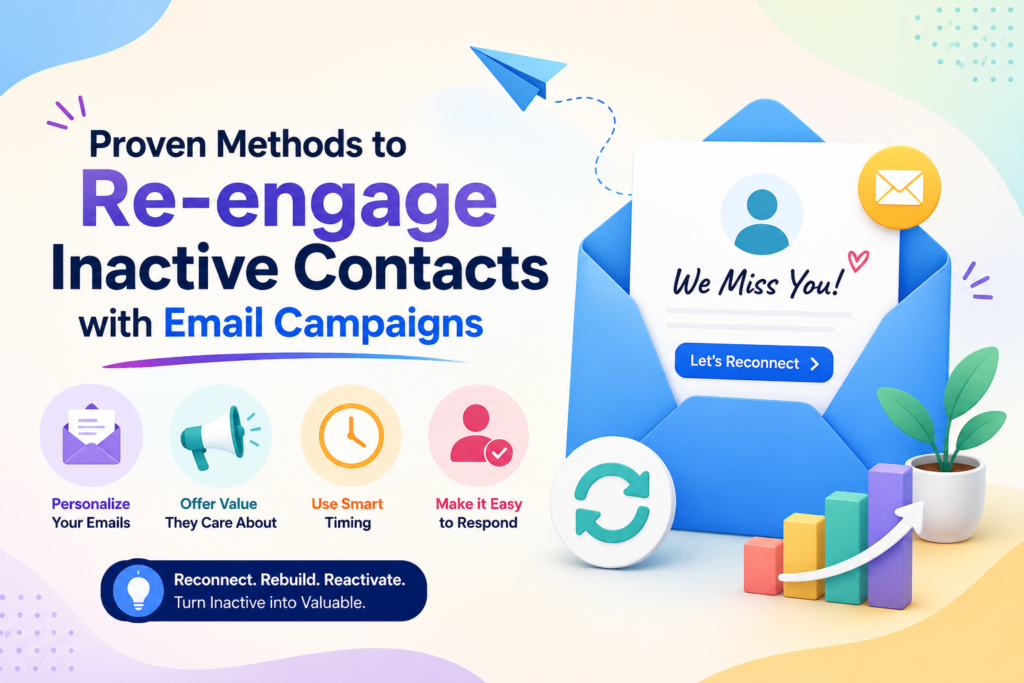
Learning how to re-engage inactive contacts with email campaigns is essential for maintaining a healthy sender reputation and ensuring your brand remains top-of-mind. When subscribers stop interacting with your content, they often need a compelling reason to return to your ecosystem. By shifting your focus toward value-driven interactions, you can effectively turn silence into renewed interest.
Offering Exclusive Incentives and Discounts
One of the most effective ways to capture attention is by providing immediate, tangible value. Offering an exclusive discount or a limited-time incentive can act as a powerful catalyst for action. This approach rewards your subscribers for their loyalty and gives them a clear reason to click through to your website.
When you provide a special offer, ensure it feels personalized to their past interests. This strategy demonstrates that you value their presence and are committed to providing relevant solutions. A well-timed discount often serves as the perfect bridge to bring a dormant user back into the fold.
Requesting Feedback Through Surveys
Sometimes, the best way to understand how to re-engage inactive contacts with email campaigns is to simply ask them why they left. Implementing short, targeted surveys allows you to gather direct feedback regarding their preferences and pain points. This data is invaluable for refining your future content strategy.
Keep your surveys brief and easy to complete to ensure higher response rates. By showing that you are genuinely interested in their opinion, you build trust and demonstrate that your brand is responsive to user needs. This two-way communication often helps identify specific barriers that previously prevented engagement.
Providing Options to Update Email Preferences
If a subscriber feels overwhelmed by the frequency or type of content they receive, they may simply stop opening your emails. Providing a clear, accessible link to update their email preferences empowers the user to take control of their inbox experience. This simple step can prevent an unsubscribe and keep the connection alive.
Allowing users to choose the specific topics or frequency they prefer shows respect for their time. When you give them the power to curate their own experience, they are much more likely to remain engaged long-term. This level of transparency is a cornerstone of professional email marketing. It also improves the long-term performance of your re-engagement campaigns.
Automating Your Re-engagement Workflow
Building an automated workflow ensures that your re-engagement campaigns run smoothly without constant oversight. By removing the need for manual intervention, you can focus on high-level strategy while your system handles the heavy lifting of reconnecting with dormant leads.
Setting Up Trigger-Based Email Sequences
The foundation of a successful automated system lies in defining clear inactivity milestones. You should establish specific time-based triggers, such as ninety days of no email opens, to initiate a pre-built sequence automatically.
- Immediate Trigger: Send a “we miss you” message the moment a subscriber hits your inactivity threshold.
- Follow-up Delay: Wait three to five days before sending a secondary offer or survey.
- Final Action: Automate the removal or suppression of contacts who remain unresponsive after the final email.
Integrating CRM Data for Behavioral Targeting
Relying on guesswork often leads to irrelevant messaging that further alienates your audience. Instead, you should integrate your CRM data to ensure your re-engagement campaigns are rooted in actual user behavior.
By syncing your email platform with your CRM, you can segment users based on their past purchase history or website activity. This precision targeting allows you to send personalized content that resonates with their specific interests, significantly increasing the likelihood of a successful win-back.
Monitoring Performance and Adjusting Automation Logic
Automation is not a “set it and forget it” process. You must consistently monitor the performance of your sequences to identify bottlenecks or areas for improvement.
Review your open rates, click-through rates, and conversion metrics on a monthly basis. If a specific sequence underperforms, adjust your subject lines or call-to-action buttons to refine the logic. By continuously testing and optimizing your re-engagement campaigns, you ensure that your automated workflows remain effective and drive meaningful results for your business over the long term. Successful re-engagement campaigns evolve continuously based on subscriber behavior and campaign performance.
Navigating the Legal and Ethical Considerations
Running successful targeted email campaigns requires more than just creative copy; it demands a strict adherence to legal standards. When you attempt to win back inactive subscribers, you must ensure that your outreach efforts respect both the law and the recipient’s privacy. Building a sustainable relationship starts with a foundation of trust and accountability.
Ensuring Compliance with CAN-SPAM and GDPR
Operating within the United States means you must strictly follow the CAN-SPAM Act. This law requires you to provide a clear way for users to opt out of future messages and mandates that your subject lines accurately reflect the content of your email. Failure to comply can lead to significant financial penalties and damage your sender reputation.
If you have subscribers based in the European Union, you must also adhere to the General Data Protection Regulation (GDPR). This framework emphasizes explicit consent and data transparency. Always ensure your targeted email campaigns align with these global standards to protect your business from unnecessary legal risks.
Managing Unsubscribe Requests Gracefully
When a subscriber decides to leave your list, treat the process as a final opportunity to leave a positive impression. A complicated or hidden unsubscribe link often leads to spam complaints, which can harm your deliverability. Instead, make the process simple, immediate, and professional.
You should view an unsubscribe request as a natural part of the lifecycle of targeted email campaigns. By honoring these requests promptly, you demonstrate respect for your audience’s preferences. This integrity helps maintain a clean list and ensures that your remaining subscribers are truly interested in your content.
Maintaining Transparency in Your Communication
Transparency is the cornerstone of ethical marketing. You must clearly identify your business in every email and explain why you are contacting the recipient. If you are reaching out to re-engage a dormant contact, be honest about your intent and the value you provide.
Being open about your data practices fosters long-term loyalty. When subscribers understand how their information is used, they are more likely to trust your brand. Use the following table to understand the core differences between major compliance frameworks:
| Regulation | Primary Focus | Key Requirement | Scope |
|---|---|---|---|
| CAN-SPAM | Commercial Messaging | Clear Opt-out | United States |
| GDPR | Data Privacy | Explicit Consent | European Union |
| CCPA | Consumer Rights | Data Transparency | California |
By prioritizing these ethical standards, you ensure that your targeted email campaigns remain effective and compliant. Always audit your processes to stay ahead of evolving digital regulations. Ethical re-engagement campaigns also strengthen customer trust and long-term engagement.
Analyzing Results and Refining Your Strategy
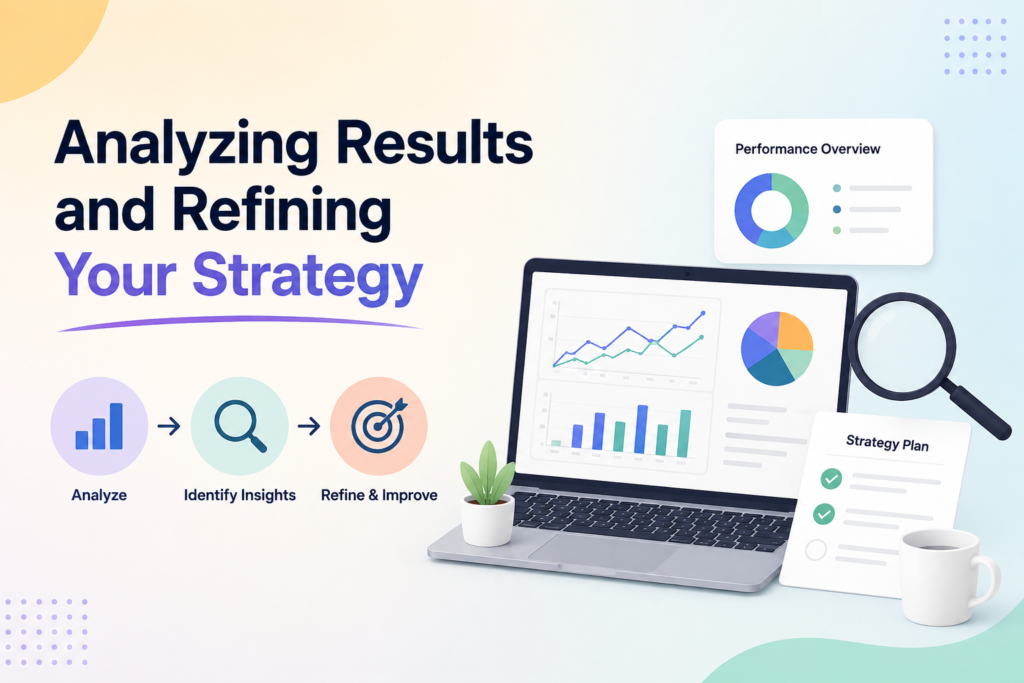
Once your emails are sent, the real work of evaluating your customer retention strategies begins. You need to look past vanity metrics to understand the true health of your subscriber list. By reviewing performance data, you can pivot your approach to ensure your brand remains relevant to your audience.
Key Performance Indicators to Track
To measure success, you must focus on specific data points that reveal subscriber intent. Start by monitoring your open rates and click-through rates to see if your subject lines and content resonate. Tracking conversion rates is equally vital, as it shows whether your efforts lead to actual sales or desired actions.
Do not ignore your bounce rates or spam complaints during this phase. These indicators often signal that your list requires immediate cleaning to protect your sender reputation. Keeping a close eye on these metrics allows you to adjust your customer retention strategies before minor issues become major problems.
| Metric | Goal | Action Required |
|---|---|---|
| Open Rate | Above 15% | Optimize subject lines |
| Click-Through Rate | Above 2% | Improve CTA placement |
| Unsubscribe Rate | Below 0.5% | Review content relevance |
Interpreting Data to Improve Future Campaigns
Data interpretation is the bridge between past performance and future success. If you notice that specific segments respond better to discounts than to educational content, you should tailor your future messaging accordingly. Use these insights to refine your customer retention strategies by creating more personalized experiences for your users.
Always compare your A/B testing results to identify what truly drives engagement. When you understand the “why” behind the numbers, you can stop guessing and start scaling your most effective tactics. This analytical mindset ensures that every email you send provides value to your subscribers.
Deciding When to Purge Unresponsive Subscribers
Even the best customer retention strategies cannot save every contact. You must establish a clear threshold for inactivity, such as six months of no engagement, to maintain a healthy database. Keeping inactive users on your list can negatively impact your deliverability and skew your performance data.
Before you permanently remove these contacts, consider sending one final “sunset” email. This gives them a clear chance to opt-in again or confirm their interest. If they remain silent, removing them is a professional necessity that keeps your marketing efforts focused on those who truly want to hear from you.
Ready to Revive Your Email List?
Don’t let valuable subscribers go cold. Create targeted win-back campaigns, improve open rates, and reconnect with your audience using automation, segmentation, and real-time analytics—all from one intuitive platform.
Conclusion
Turning inactive contacts into loyal customers requires a disciplined approach to data and communication. You now possess the tools to identify dormant users and craft messages that resonate with their current needs.
Building a healthy list demands consistent effort and strategic planning. By deploying targeted email campaigns, you protect your sender reputation while ensuring your brand remains a top priority for your audience.
Success in this area relies on your ability to balance automation with genuine human connection. Use the insights gained from your metrics to refine your messaging and improve your overall deliverability.
Your commitment to list hygiene and relevant content will pay off in higher engagement rates. These targeted email campaigns serve as the foundation for long-term growth and sustainable customer retention.
Start applying these methods to your current workflow today. Watch how your audience responds when you provide value that aligns with their specific interests and behaviors. Consistently optimizing your re-engagement campaigns will help you recover more inactive subscribers over time.
FAQs
How do you define inactivity when planning re-engagement campaigns?
Inactivity is typically defined by a specific timeframe during which a subscriber has not opened or clicked on any of your communications. For most targeted email campaigns, this threshold is often set between 90 and 180 days, depending on your industry and sending frequency. By analyzing metrics in platforms like HubSpot, MailerRocket, or Mailchimp, you can segment your list to isolate these dormant contacts and apply specific customer retention strategies to win them back.
What is the most effective way to re-engage inactive contacts with email campaigns?
The most effective approach involves a multi-step re-engagement email campaign that begins with a compelling, personalized subject line to spark curiosity. You should offer immediate value, such as an exclusive discount, a feedback survey, or a “we miss you” incentive. If you are wondering how to re-engage inactive contacts with email campaigns successfully, the key lies in reminding them why they subscribed in the first place while providing a clear option to update their email preferences.
Why is a re-engagement email campaign vital for sender reputation?
Consistently sending emails to inactive users can signal to internet service providers like Gmail and Outlook that your content is no longer relevant, which may land your messages in the spam folder. Implementing re-engagement campaigns helps you identify non-responsive users and either win them back or remove them. This process of list hygiene improves your overall deliverability and ensures your targeted email campaigns reach the primary inbox of your active audience.
How can I use automation to manage my re-engagement efforts?
You can build automated workflows using CRM data from tools like Salesforce to trigger a sequence as soon as a subscriber hits your defined inactivity threshold. These trigger-based sequences allow you to deliver customer retention strategies at scale without manual intervention. By monitoring the performance of these automations, you can adjust your logic and messaging to maximize the recovery rate of your inactive leads.
Which key performance indicators should I track to measure success?
When evaluating your re-engagement campaigns, you should focus on open rates, click-through rates, and the “win-back” rate, which measures how many inactive subscribers moved back into your active segment. Additionally, track your unsubscribe and complaint rates to ensure your targeted email campaigns are not causing brand friction. This data will help you decide when a contact is truly lost and should be purged from your database to maintain list health.
What legal regulations apply to targeted email campaigns for inactive users?
You must ensure that your re-engagement email campaign remains fully compliant with the CAN-SPAM Act in the United States and GDPR in Europe. This includes providing a clear and easy way to unsubscribe, maintaining transparency about your brand identity, and honoring opt-out requests promptly. Following these ethical guidelines not only protects your business from penalties but also builds long-term trust with your remaining subscribers.