
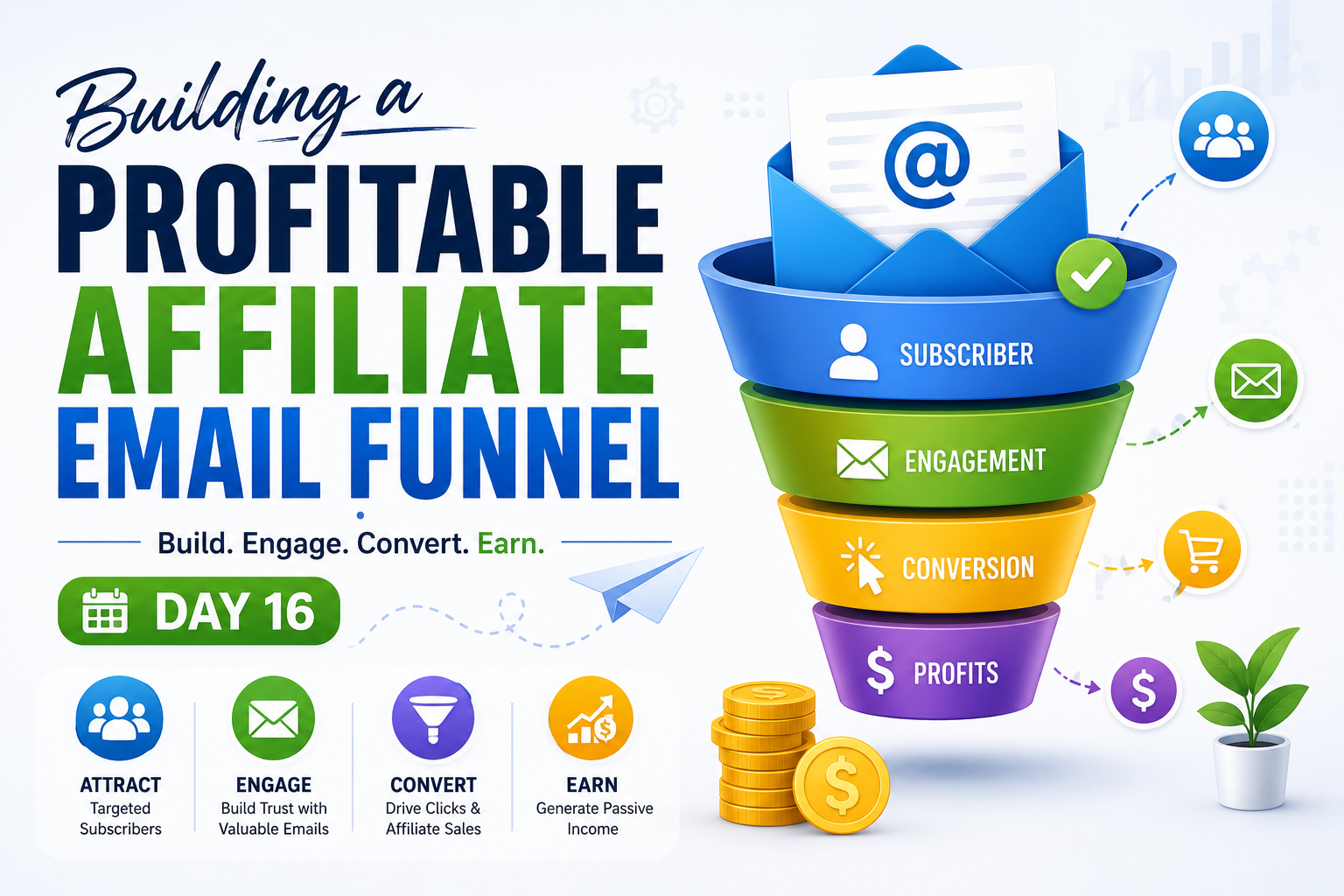





Success in the modern digital landscape requires more than just sharing random links on social media. To achieve long-term growth, you must transition toward a structured email funnel system that captures leads and nurtures relationships over time.
Developing a professional email funnel acts as the backbone for your entire email marketing strategy. This approach allows you to convert casual website visitors into loyal, high-value subscribers who trust your recommendations.
Moving beyond basic promotion helps you build a sustainable and scalable online business. By implementing this specific email funnel, you gain full control over your audience engagement. You will learn the technical and strategic steps necessary to turn your traffic into consistent revenue streams.
Key Takeaways
- Shift from simple link-sharing to building a sustainable email funnel marketing system.
- Understand the importance of capturing leads for long-term business growth.
- Learn how to nurture relationships to increase your conversion rates using an automated email funnel.
- Discover the technical steps required to scale your affiliate revenue.
- Transform casual visitors into loyal, high-value subscribers through marketing automation.
Turn Clicks Into Consistent Affiliate Income
Build an email funnel that captures leads, nurtures subscribers, and helps grow your affiliate revenue on autopilot.
What is the Mechanics of a High-Converting Email Funnel
Your ability to turn casual visitors into loyal subscribers depends on the architecture of your email funnel. This system functions as a 24/7 sales engine, working tirelessly to nurture leads even while you sleep. By mastering these mechanics, you can identify hidden bottlenecks and refine your process for maximum impact.
Defining the Affiliate Email Funnel Journey
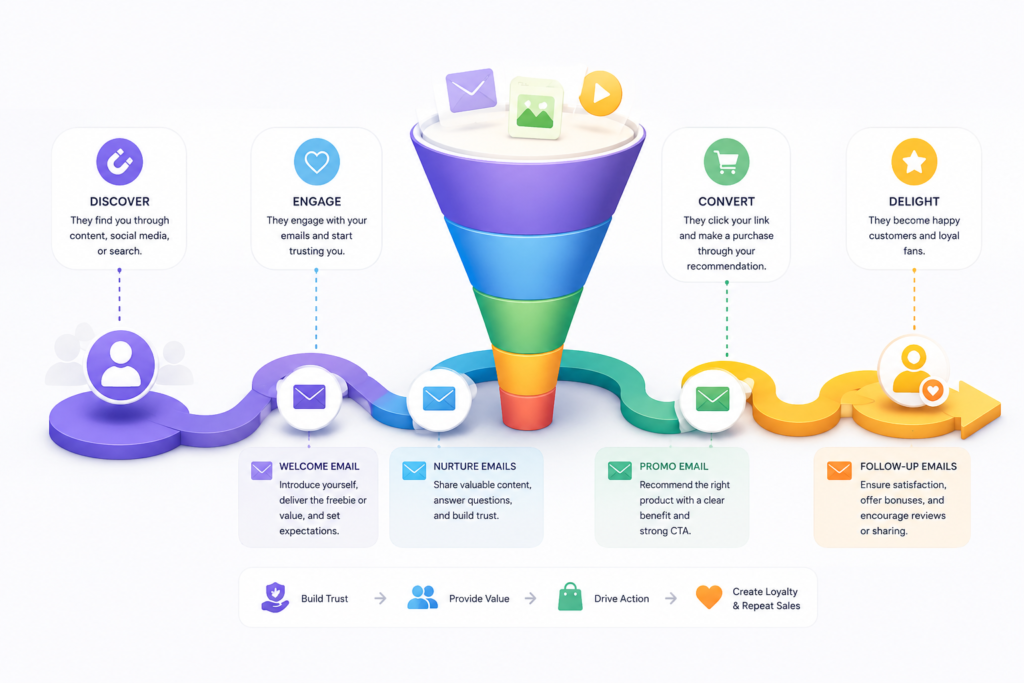
Every successful email funnel journey begins the moment a visitor provides their contact information in exchange for value. This initial opt-in is the gateway to your ecosystem. From there, your email funnel guides the subscriber through a series of touchpoints designed to build trust and authority.
Every message sent serves a specific purpose in moving the prospect closer to a purchase decision. You are not just sending emails; you are curating a path that leads directly to your recommended affiliate products.
Mapping the Subscriber Lifecycle
Successful affiliate marketers view their list as a living, breathing entity. A strategic email funnel moves subscriber lifecycle typically through three distinct phases: awareness, interest, and decision. During the awareness phase, your content strategy should focus on solving small, immediate problems for your reader.
As they transition into the interest phase, you provide deeper insights and demonstrate the value of your affiliate offers. Finally, the decision phase requires clear, persuasive calls to action that encourage the subscriber to take the next step. Mapping this lifecycle ensures that your communication remains relevant to where the user stands in their buying journey.
Why Automation is Essential for Affiliate Success
Manual outreach is simply not scalable for a growing business. Automation is the critical component that ensures your messaging remains consistent and timely for every new lead that enters your system.
By automating your sequences, you guarantee that no prospect falls through the cracks. This reliability allows you to maintain a professional presence while focusing your energy on high-level strategy and content creation. Ultimately, a well-oiled email funnel provides the stability needed to scale your affiliate revenue effectively.
Selecting the Right Affiliate Offers for Your Audience
A profitable email funnel depends on choosing the right affiliate products. Selecting the right products is the foundation of a sustainable and profitable email marketing strategy. When you promote items that resonate with your readers, you transform your newsletter from a simple communication tool into a powerful revenue engine. Success in this space requires a disciplined approach to vetting every opportunity before it reaches your subscribers’ inboxes.
Aligning Products with Subscriber Pain Points
Every email funnel should recommend products aligned with user problems. Your subscribers joined your list because they have specific problems they want to solve. To maximize your conversion rates, you must identify these pain points and offer products that act as direct solutions. If your audience struggles with time management, promoting a high-end productivity software is far more effective than pushing a generic lifestyle product.
Take the time to survey your audience or analyze their engagement with your past content. When you provide a solution that feels like a natural extension of your advice, your subscribers will view your recommendations as helpful resources rather than intrusive sales pitches.
Evaluating Affiliate Program Commission Structures
Strong commissions improve the profitability of your email funnel. Not all affiliate programs offer the same return on your time and effort. You should prioritize programs that provide a sustainable commission structure, whether that means high one-time payouts or recurring monthly revenue. A product might be excellent, but if the commission is too low to justify the cost of your marketing efforts, it may not be the right fit for your business model.
Consider the following factors when comparing potential affiliate partnerships to ensure your business remains profitable:
| Criteria | High-Value Offer | Low-Value Offer |
|---|---|---|
| Commission Rate | Above 30% or Recurring | Below 10% or One-time |
| Conversion Rate | Proven Track Record | Unverified/New |
| Cookie Duration | 60+ Days | Under 24 Hours |
| Support Quality | Dedicated Affiliate Manager | Automated Support Only |
Ensuring Product Quality and Trustworthiness
Trust is what keeps your email funnel converting over time. Your reputation is your most valuable asset in the digital landscape. Promoting low-quality products to make a quick commission will inevitably damage the trust you have worked so hard to build with your audience. Always test the product yourself or research extensive user reviews before you decide to endorse it.
If a product fails to deliver on its promises, your subscribers will lose faith in your future recommendations. By maintaining a strict vetting process, you ensure that every link you share adds value to your readers’ lives. This commitment to quality creates a loyal community that is far more likely to click your links and purchase your recommendations over the long term.
Designing High-Conversion Lead Magnets
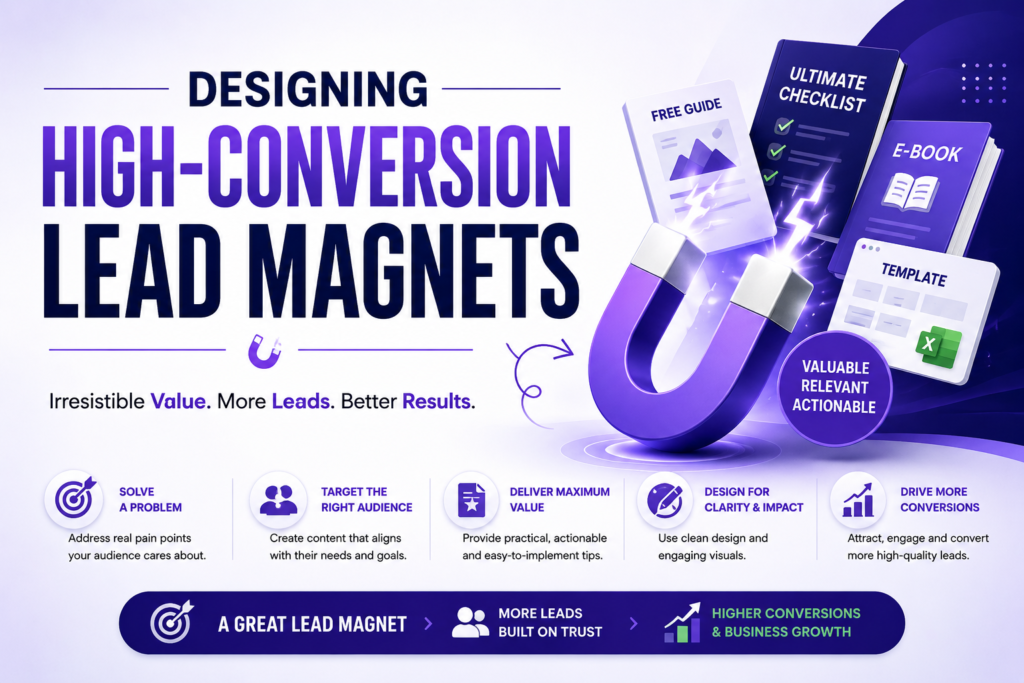
Lead magnets are essential for growing an email funnel. A strategic lead magnet acts as the bridge between a curious visitor and a dedicated subscriber. When you offer something of genuine value, you provide a compelling reason for your audience to share their contact information. This initial exchange is the foundation of your entire affiliate marketing funnel.
Creating Value-Driven Incentives
A high-converting email funnel starts with value. Your incentive must solve an immediate, specific problem for your reader. Whether it is a checklist, a template, or a mini-course, the content should be instantly actionable. If the user can apply your solution right away, they will perceive your brand as a trusted authority.
Avoid creating generic resources that offer little depth. Instead, focus on a narrow topic that addresses a common pain point within your niche. By providing a quick win, you build the necessary trust to transition the subscriber toward your affiliate recommendations later.
Optimizing Landing Pages for Maximum Opt-ins
Your landing page determines how quickly your email funnel grows. A cluttered landing page often kills your conversion rate before the visitor even reads your headline. You should aim for a clean, minimalist design that keeps the focus entirely on your offer. Every element on the page must serve a single purpose: getting the opt-in.
Minimize friction by asking for only the essential information, such as a first name and email address. Long forms often discourage potential subscribers from completing the process. Ensure your page loads quickly and looks professional on mobile devices to capture traffic from all sources.
Writing Compelling Calls to Action
Strong CTAs increase email funnel conversion rates. Your call to action (CTA) is the final nudge that turns a visitor into a lead. Use action-oriented language that highlights the benefit of clicking the button. Phrases like “Get My Free Guide” or “Start Saving Today” perform significantly better than passive text like “Submit” or “Sign Up.”
Make your CTA button stand out with a contrasting color that draws the eye immediately. It should be large enough to be easily clickable on any screen size. By clearly communicating the value, you guide your visitors toward the next step in your funnel with total confidence.
Ready to Turn Visitors Into Subscribers?
Build an email funnel that attracts leads, automates follow-ups, and converts subscribers into affiliate sales consistently.
Setting Up Your Email Marketing Automation Infrastructure
A scalable email funnel requires reliable automation. Setting up the right technical framework allows you to focus on strategy rather than manual tasks. A robust infrastructure is the foundation of email marketing automation, enabling you to scale your affiliate efforts without constant oversight. By investing time in your setup now, you ensure that your business remains agile and responsive to subscriber needs.
Choosing the Right Email Service Provider
Selecting an email service provider (ESP) is a pivotal decision for your affiliate business. You need a platform that supports complex tagging, segmentation, and automated email marketing workflows. Look for providers that offer high-quality API access and pre-built integrations with popular affiliate tracking software.
Your chosen ESP should provide detailed analytics to help you track open rates and click-through performance. Reliability and ease of use are essential when you are managing thousands of subscribers. Consider the following comparison of industry-standard platforms to guide your decision:
| Provider | Best For | Automation Features | Pricing Model |
|---|---|---|---|
| ActiveCampaign | Advanced Funnels | High | Tiered |
| ConvertKit | Content Creators | Medium | Subscriber-based |
| Mailchimp | Beginners | Low | Freemium |
Integrating CRM Tools with Your Funnel
CRM integration makes your email funnel smarter. Integrating your customer relationship management (CRM) tools ensures that your data flows seamlessly between your website and your email platform. This connection allows you to trigger specific sequences based on user behavior, such as clicking a link or visiting a product page. Seamless data synchronization prevents lost leads and helps you maintain a clean, organized database.
When your CRM talks to your email system, you gain a 360-degree view of your subscriber journey. This visibility is vital for identifying which affiliate offers resonate most with your audience. Always verify that your tools support real-time data updates to keep your messaging relevant.
Ensuring Deliverability and Compliance
Poor deliverability weakens an email funnel. Maintaining high deliverability rates is non-negotiable for any successful affiliate marketer. You must follow best practices, such as using a custom domain for your emails and authenticating your sender identity with SPF, DKIM, and DMARC records. These technical steps protect your sender reputation and keep your messages out of the spam folder.
Furthermore, you must ensure full compliance with international anti-spam regulations like the CAN-SPAM Act and GDPR. Always include a clear, easy-to-find unsubscribe link in every email you send. Respecting subscriber privacy builds long-term trust and protects your business from legal risks while you leverage the power of automated email marketing.
Crafting Targeted Email Sequences That Drive Clicks
Every successful email funnel relies on targeted sequences. The secret to consistent affiliate revenue lies in the precision of your targeted email sequences. A well-defined email sequence strategy acts as a bridge between your initial lead capture and the final purchase decision. By planning each touchpoint, you ensure that your subscribers receive relevant information that guides them toward your recommended solutions.
Structuring the Welcome Sequence
Your welcome emails introduce subscribers to your email funnel which the most critical part of your communication flow. It serves as the first impression that establishes your authority and builds immediate rapport with new subscribers. You should deliver your lead magnet instantly while setting expectations for future emails.
Use the first few messages to share your story and explain how you solve specific problems. This approach humanizes your brand and makes your audience more receptive to your future advice. Consistency at this stage prevents early unsubscribes and fosters long-term trust.
Writing Persuasive Copy for Affiliate Promotions
Copywriting directly impacts email funnel performance. When you transition to promoting products, your copy must focus on tangible benefits rather than just features. Avoid aggressive sales tactics that can alienate your readers. Instead, frame your affiliate recommendations as the logical next step for their success.
“The goal of email marketing is not to sell, but to help your audience make an informed decision that improves their lives.”
Highlight how the product addresses a specific pain point they have already identified. By using persuasive storytelling, you show the reader the transformation they can achieve. This method keeps your conversion rates high without sounding like a pushy salesperson.
Balancing Value Content with Sales Pitches
Balanced messaging keeps your email funnel healthy. Maintaining a healthy balance between free value and sales pitches is essential for long-term engagement. If you only send promotions, your list will quickly lose interest. If you never sell, you fail to monetize your hard work.
Follow the 80/20 rule to keep your audience happy. Provide helpful tips, industry news, or personal insights in the majority of your emails. Reserve your affiliate offers for the remaining portion of your communication schedule.
| Email Type | Primary Goal | Frequency |
|---|---|---|
| Welcome Email | Build Trust | Immediate |
| Value-Driven Content | Establish Authority | Weekly |
| Affiliate Promotion | Drive Clicks | Bi-Weekly |
| Re-engagement | Recover Interest | Monthly |
By refining your email sequence strategy, you create a predictable path for your subscribers. Implementing these targeted email sequences ensures that every message you send serves a clear purpose in your overall business growth.
Build an Email Funnel That Converts
Learn how to automate targeted email sequences, increase clicks, and grow affiliate revenue with a proven email funnel strategy.
Implementing Effective Sales Funnel Email Campaign Tactics
Advanced tactics improve email funnel conversions. It can transform a standard email sequence into a high-performing engine. When you refine your approach, you move from simply sending messages to building a sales funnel email campaign that drives consistent results. By focusing on psychological triggers and data-driven insights, you can significantly improve your engagement metrics.
Utilizing Scarcity and Urgency
Scarcity can boost email funnel engagement. Creating a sense of time-sensitive pressure is a powerful way to encourage action. When you offer a limited-time bonus or a closing window for a discount, you provide a clear reason for your audience to stop procrastinating. Ethical application is key here; always ensure that the deadlines you set are genuine and transparent.
- Use countdown timers to visually represent the remaining time.
- Highlight limited availability for exclusive affiliate bonuses.
- Clearly state when a promotional price will expire to drive immediate clicks.
Segmenting Your List for Better Relevance
Segmentation personalizes your email funnel. Sending the same message to every subscriber is a missed opportunity. Instead, you should group your audience based on their specific interests and past interactions. This level of precision ensures that your sales funnel email campaign feels tailored to the individual reader rather than a mass broadcast.
Consider segmenting your list by:
- Purchase history: Target previous buyers with complementary product recommendations.
- Engagement levels: Send re-engagement content to inactive users while rewarding your most active subscribers.
- Topic interest: Deliver content that aligns with the specific lead magnet they originally downloaded.
Personalizing Content Based on User Behavior
Behavioral triggers improve email funnel results. Behavioral data allows you to speak directly to the needs of your subscribers at the exact right moment. By tracking which links they click or which pages they visit, you can trigger automated emails that feel highly personal. This strategy is essential for any modern sales funnel email campaign looking to boost conversion rates.
When you leverage behavioral triggers, you move beyond generic marketing. You provide value-driven solutions that match the current stage of the customer journey. This approach builds trust and keeps your brand at the forefront of your audience’s mind, ultimately leading to higher long-term revenue.
Optimizing Your Email Workflow Strategy for Maximum ROI
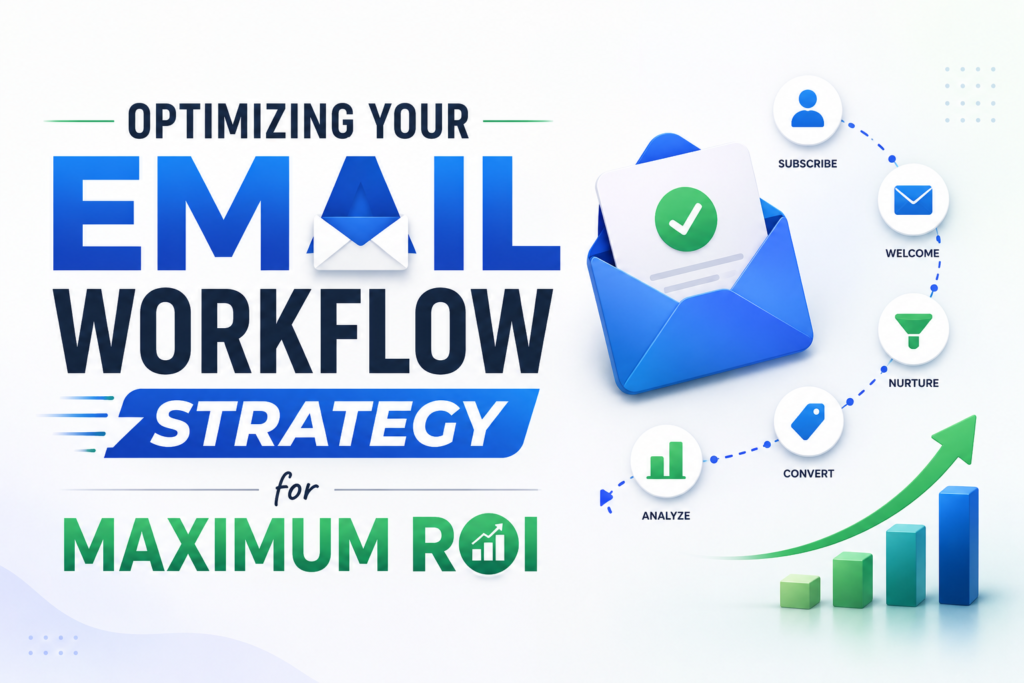
Optimization helps your email funnel deliver higher ROI. Refining your email workflow strategy is the most effective way to ensure your affiliate marketing efforts yield consistent results over time. By moving beyond basic broadcasts, you create a system that works for you around the clock. This approach transforms your list into a reliable asset that generates revenue long after a subscriber first joins.
Automating Follow-up Sequences
Follow-ups strengthen your email funnel. Automation allows you to deliver high-value content and promotional offers without manual intervention. You should design sequences that trigger based on specific user actions, such as clicking a link or downloading a resource. This ensures that your messaging remains relevant to the subscriber’s current stage in their journey.
Consider these essential elements for your automated sequences:
- Evergreen content that provides lasting value to new subscribers.
- Timed intervals that prevent inbox fatigue while maintaining brand presence.
- Strategic product recommendations that align with the user’s previous interactions.
Managing Subscriber Re-engagement Campaigns
Inactive subscribers can hurt an email funnel. Even the most active lists experience churn over time. Implementing a re-engagement campaign is a vital part of your email workflow strategy to win back subscribers who have stopped interacting with your content. You can identify these inactive users by tracking who has not opened an email in the last 30 to 60 days.
When reaching out to these subscribers, focus on providing a fresh incentive or asking for their feedback. A simple “we miss you” message or a survey can often spark renewed interest. If they still do not engage, it is better to remove them to protect your sender reputation.
Cleaning Your List for Better Engagement Rates
Cleaning your list improves email funnel performance. Regular list maintenance is the secret to high deliverability and better inbox placement. Sending emails to invalid or inactive addresses hurts your sender score and lowers your overall engagement metrics. You should perform a thorough list cleaning at least once every quarter to keep your data healthy.
“A clean list is not just about numbers; it is about the quality of the connection you maintain with your audience.”
By removing inactive subscribers, you ensure that your email workflow strategy reaches people who actually want to hear from you. This practice keeps your open rates high and ensures that your affiliate links reach the right eyes. Ultimately, a smaller, highly engaged list will always outperform a massive, unresponsive one.
Analyzing Data to Refine Your Conversion Funnel
Tracking metrics helps optimize your email funnel. Transforming raw numbers into actionable insights is the secret to refining your outreach. When you monitor your email conversion funnel, you gain a clear view of how subscribers interact with your content. This process allows you to identify specific bottlenecks where potential customers might drop off.
Tracking Key Performance Indicators
To understand the health of your email funnel, you must focus on the metrics that truly matter. Relying on vanity metrics often hides the reality of your performance. Instead, prioritize these essential indicators to gauge your success:
- Open Rate: Measures how many people find your subject lines engaging.
- Click-Through Rate (CTR): Indicates the effectiveness of your internal links and calls to action.
- Conversion Rate: Tracks the percentage of subscribers who complete a purchase or desired action.
- Unsubscribe Rate: Highlights potential issues with content relevance or frequency.
Conducting A/B Testing on Subject Lines
Testing helps refine your email funnel. Your subject line is the gatekeeper of your entire strategy. If subscribers do not open your emails, they cannot engage with your offers. By performing A/B testing, you can compare two variations to see which one drives higher engagement.
Start by changing one element at a time, such as the tone, length, or the inclusion of an emoji. Consistency is key when testing, as it ensures your results are statistically significant. Over time, these small adjustments lead to substantial improvements in your overall conversion funnel performance.
Interpreting Click-Through and Conversion Data
Behavior analysis strengthens your email funnel. Once you have gathered enough data, you must learn to interpret the results to make informed decisions. Look for patterns in your email funnel that suggest where your audience loses interest. For instance, a high open rate paired with a low click-through rate often points to a disconnect between your subject line and the email body.
Use this evidence to refine your strategy rather than relying on guesswork. Continuous improvement is the hallmark of a professional marketer. By systematically analyzing your email conversion funnel, you ensure that every campaign performs better than the last.
Scaling Your Affiliate Revenue Through Advanced Automation
Automation allows an email funnel to scale. Advanced email marketing automation transforms your affiliate business from a manual process into a high-performing revenue engine. By moving beyond simple broadcast messages, you can create a dynamic system that responds to your subscribers in real time.
Leveraging Behavioral Triggers
Triggers make your email funnel highly personalized. Behavioral triggers allow you to send highly relevant content based on specific user actions. For example, if a subscriber clicks a link for a specific software tool but does not purchase, you can trigger a follow-up sequence highlighting exclusive bonuses or case studies.
This level of sales automation ensures that your messaging remains timely and helpful. You stop guessing what your audience wants and start providing solutions exactly when they show interest.
Expanding Your Funnel with Upsells and Cross-sells
Upsells maximize email funnel revenue. Increasing the lifetime value of each subscriber is a core pillar of sustainable growth. Once a user completes an initial purchase, you should introduce complementary products through automated cross-sell sequences.
Upselling higher-tier versions of a product can also significantly boost your commissions. By mapping these offers to the user’s journey, you provide additional value while simultaneously increasing your bottom line.
Building Long-term Relationships with Your Audience
Trust helps an email funnel grow sustainably. True success in affiliate marketing relies on trust and consistent engagement. Advanced email marketing automation allows you to maintain a personalized connection even as your list grows into the thousands.
You can segment your audience based on their preferences and past behavior to ensure they only receive content that resonates with their needs. Implementing robust sales automation tools helps you nurture these relationships over time, turning one-time buyers into loyal, long-term advocates for your brand.
Conclusion
Building a profitable affiliate email funnel requires a blend of strategy, patience, and consistent action. You now possess the blueprint to select high-quality products, design magnetic opt-in incentives, and deploy automated sequences that resonate with your subscribers.
Success in this space relies on your ability to interpret performance data and refine your approach over time. By tracking key metrics and testing your messaging, you ensure your content remains relevant to your audience. This iterative process turns a simple list of contacts into a sustainable asset for your business.
Take the first step by auditing your current email infrastructure today. Apply these tactics to your existing campaigns to see immediate improvements in your conversion rates. Your commitment to providing value will build the trust necessary to drive long-term affiliate revenue.
Engage with your subscribers by asking for feedback on the content you share. Use their insights to shape future promotions and deepen your connection with them. Start building your automated email funnel now to secure your place in the competitive landscape of digital marketing.
FAQs
What is the primary benefit of building a dedicated email conversion funnel for affiliate marketing?
Unlike direct link-sharing, an email conversion funnel allows you to capture lead information and build a long-term relationship with your audience. By using platforms like ClickFunnels or Leadpages, you create a sustainable asset that produces consistent revenue through multiple touchpoints rather than relying on a single, often ignored, affiliate link.
Why is a structured email sequence strategy more effective than sending one-off broadcasts?
A well-planned email sequence strategy guides your subscribers through a logical journey, from awareness to purchase. By using automated email marketing, you ensure that every new subscriber receives the same high-quality nurturing process, which builds the trust necessary to convert casual readers into buyers of products from networks like ShareASale or CJ Affiliate.
How do I choose the most profitable products for my targeted email sequences?
You should focus on aligning affiliate offers with the specific pain points of your audience. When developing targeted email sequences, evaluate the commission structures of programs like Amazon Associates or Bluehost to ensure your ROI is high. Most importantly, only promote high-quality products that you have vetted to maintain your brand’s integrity and subscriber trust.
What role does a lead magnet play in a sales funnel email campaign?
A lead magnet serves as the entry point for your sales funnel email campaign. By offering a high-value incentive—such as an ebook, a checklist, or a mini-course as you solve an immediate problem for your visitor. This exchange of value is what drives high opt-in rates on your landing pages and populates your list with qualified prospects.
Which tools are essential for a professional email marketing automation infrastructure?
To execute a sophisticated email marketing automation plan, you need a robust Email Service Provider (ESP) such as ActiveCampaign, ConvertKit, or HubSpot. These tools allow you to integrate CRM data, manage complex workflows, and ensure high deliverability so your messages actually reach the inbox and comply with regulations like the CAN-SPAM Act.
How can I optimize my email workflow strategy for better engagement?
An effective email workflow strategy involves more than just sending emails; it requires constant maintenance. You should implement automated follow-up sequences, run re-engagement campaigns for inactive users, and regularly clean your list to remove “ghost” subscribers. Utilizing tools like ZeroBounce can help maintain a healthy sender reputation and improve overall engagement metrics.
What is the best way to balance value and promotion in an automated email marketing system?
In automated email marketing, the “80/20 rule” is a gold standard. Focus 80% of your content on providing pure value like education, insights, and solutions and reserve 20% for your affiliate pitches. This balance ensures your audience remains receptive to your recommendations and doesn’t view your conversion funnel as purely transactional or spammy.
How does list segmentation improve the results of a sales funnel email campaign?
Segmentation allows you to divide your list based on user behavior, interests, or demographics. In a sales funnel email campaign, sending a specific offer only to those who have clicked on a related link ensures higher relevance. Using Mailchimp or Klaviyo to segment your audience leads to higher open rates and significantly lower unsubscribe rates.
How can I use data to refine my email conversion funnel?
You must track key performance indicators (KPIs) such as open rates, click-through rates (CTR), and conversion rates. By conducting A/B testing on subject lines and analyzing behavioral data, you can identify bottlenecks in your email conversion funnel. Tools like Google Analytics integrated with your ESP provide the insights needed to make evidence-based adjustments for maximum ROI.
What are behavioral triggers, and how do they enhance sales automation?
Behavioral triggers are automated actions taken by your system when a user performs a specific task, such as clicking a link or abandoning a cart. This level of sales automation allows you to send “right-time” messages that are highly personalized. By leveraging these triggers, you can scale your affiliate revenue by delivering the perfect offer exactly when the subscriber is most likely to buy.