
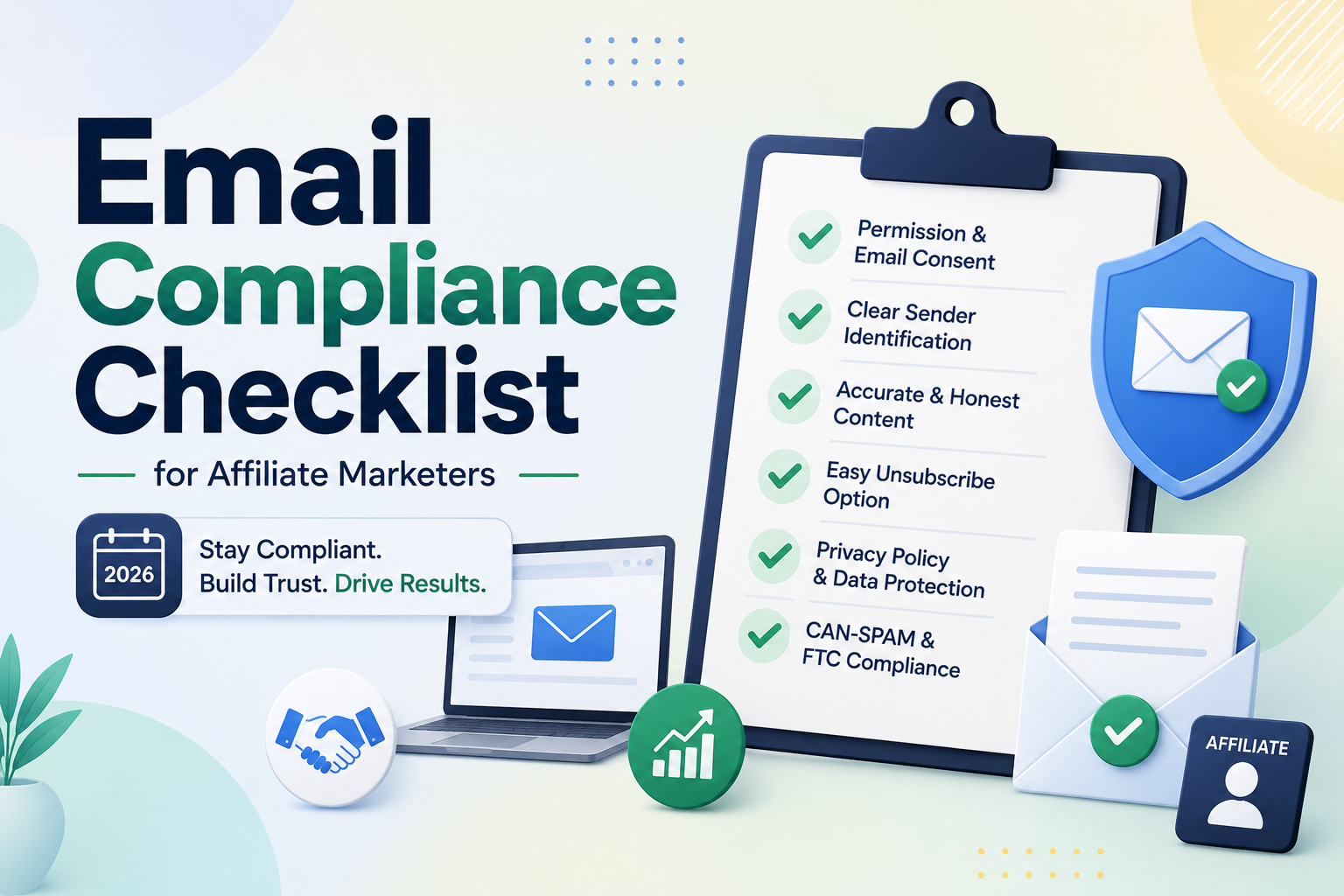





Have you ever wondered if your current outreach strategy could accidentally trigger a massive legal headache for your business? As we move into 2026, the digital landscape is shifting rapidly, making it vital for affiliate marketers to stay ahead of evolving communication standards.
Ignoring these updates puts your reputation and revenue at significant risk. By following a structured email compliance checklist, you protect your brand from potential litigation while building stronger trust with your audience.
This guide provides the foundational steps you need to navigate modern email compliance regulations with confidence. Implementing these practices ensures your outreach remains both highly effective and legally sound in the coming year.
Key Takeaways
- Understand the evolving legal landscape for digital outreach in 2026.
- Protect your business from costly litigation and reputation damage.
- Learn why a proactive approach is essential for long-term success.
- Discover how to maintain high deliverability while staying within legal bounds.
- Prepare your marketing strategy for future regulatory shifts.
Stay Compliant and Grow With Confidence
Start protecting your affiliate business with automated compliance tools that improve deliverability, manage consent, and help you avoid costly email regulation violations.
The Current Landscape of Email Regulations
As we move further into 2026, the rules governing how you send emails are becoming significantly more rigid. The digital marketing environment in the United States is shifting toward a model that prioritizes consumer protection above all else. Understanding these email regulations and maintaining proper email compliance is no longer optional; it is a fundamental requirement for your business survival.
Why 2026 Demands Stricter Email Standards?
The current year marks a turning point where internet service providers and regulatory bodies have aligned their goals. They are working together to eliminate spam and deceptive marketing practices that have plagued inboxes for years. You must adapt your strategy to meet these higher expectations or risk losing your ability to reach your audience entirely.
Several factors are driving this push for higher standards:
- Enhanced ISP filtering: Providers are using advanced AI to detect non-compliant patterns.
- Consumer awareness: Subscribers are more likely to report unwanted emails as spam.
- Accountability: Marketers are now held to stricter verification standards for every message sent.
The Impact of Evolving Privacy Laws on Affiliate Marketing
Privacy laws are reshaping the way you collect and manage subscriber data while influencing how businesses approach email compliance. These legal frameworks force you to be more transparent about how you use personal information in your affiliate campaigns. Failure to align with these email regulations can lead to severe financial penalties and permanent damage to your brand reputation.
To remain compliant, you must focus on the following operational shifts:
- Data minimization: Only collect the information that is strictly necessary for your campaigns.
- Explicit consent: Ensure that every subscriber has clearly opted into your specific communications.
- Audit readiness: Maintain detailed records of how and when you obtained user data.
By proactively adjusting your workflows, you turn compliance into a competitive advantage. When you respect the privacy of your audience, you build trust that leads to higher engagement and long-term loyalty. Staying informed about the latest email regulations and maintaining strong email compliance ensures that your affiliate marketing efforts remain both effective and sustainable in this new era.
What are CAN-SPAM Compliance Requirements?
The CAN-SPAM Act serves as the bedrock for all legitimate commercial email communications in the United States and plays a major role in modern email compliance practices. For affiliate marketers, mastering these federal guidelines is essential to maintaining a professional reputation and ensuring long-term business viability. Achieving consistent email compliance protects your sender reputation and keeps your messages out of the spam folder.
Core Principles of the CAN-SPAM Act
To remain compliant, you must adhere to several non-negotiable standards when sending promotional content. These rules ensure that your audience remains informed and empowered to manage their inbox preferences.
- Accurate Header Information: Your “From,” “To,” and “Reply-To” fields must clearly identify the person or business initiating the message.
- Deceptive Subject Lines: You are legally required to use subject lines that accurately reflect the content of your email.
- Clear Opt-out Mechanism: Every email must include a visible and functional way for recipients to unsubscribe from future communications.
- Physical Address Disclosure: You must include a valid physical postal address in every message to satisfy Can-spam compliance standards.
Penalties for Non-Compliance in Affiliate Campaigns
Failing to follow these federal mandates and ignoring proper email compliance practices can lead to severe consequences that threaten your entire operation. The Federal Trade Commission (FTC) takes violations seriously, and the financial impact of ignoring Can-spam email compliance can be devastating to your bottom line.
Each individual email that violates the act is subject to significant monetary penalties. Beyond the immediate fines, you risk having your domain blacklisted by major internet service providers, which effectively kills your ability to reach your audience. Prioritizing email compliance is not just a legal necessity; it is a strategic move to safeguard your affiliate marketing revenue.
Ultimately, Can spam email compliance is about building trust with your subscribers. By respecting these rules, you demonstrate that your business operates with integrity and transparency in a competitive digital marketplace.
Essential Email Compliance Checklist for Affiliate Marketers
Maintaining a clean reputation in your email marketing starts with a rigorous audit of your current practices. As affiliate marketers, you must ensure that every message sent from your domain aligns with federal regulations. Following a structured email compliance checklist helps you identify potential gaps before they lead to deliverability issues or legal trouble.
Verifying Sender Identity and Contact Information
Your subscribers need to know exactly who is sending them information. Transparency is a core requirement for building trust and meeting legal standards. You must clearly identify your business name and provide a valid, physical mailing address in every email footer.
To ensure your identity is verifiable, consider these essential steps:
- Use a professional “From” name that clearly represents your brand or company.
- Include a physical postal address, such as a P.O. Box or office location, to satisfy legal requirements.
- Ensure your reply-to address is active and monitored by your team.
- Verify that your domain authentication records, such as SPF, DKIM, and DMARC, are correctly configured.
Ensuring Subject Line Honesty and Accuracy
The subject line is your first point of contact, but it is also a primary target for spam filters. Misleading your audience with deceptive subject lines can result in high complaint rates and permanent damage to your sender reputation. You should always aim for transparency and relevance in your messaging.
Follow these guidelines to keep your subject lines compliant:
- Avoid using “clickbait” tactics that promise benefits you do not deliver in the email body.
- Ensure the subject line accurately reflects the content of the message.
- Do not use deceptive language to trick users into opening your emails.
- Test your subject lines to ensure they do not trigger common spam filters used by major providers.
By integrating these checks into your routine, you protect your brand and improve your overall engagement. A consistent email compliance checklist is the most effective tool for affiliate marketers looking to scale their campaigns safely.
Managing Consent and Opt-in Protocols
Your email compliance checklist is incomplete without a robust strategy for managing user opt-ins. Obtaining explicit permission from your audience is the most effective way to protect your brand reputation and ensure long-term deliverability. By prioritizing clear consent, you minimize the risk of being flagged for unsolicited email practices.
Simplify Email Compliance Before It Becomes a Problem
Automate subscriber verification, list hygiene, and consent tracking with powerful tools designed to keep your affiliate campaigns compliant and stress-free.
The Importance of Double Opt-in Strategies
The double opt-in process is widely considered the gold standard for verifying that your audience truly wants to receive your affiliate content. This method requires a user to confirm their email address via a secondary link sent to their inbox after the initial sign-up. It effectively filters out bots and prevents accidental subscriptions from incorrect email addresses.
Implementing this strategy significantly improves your sender reputation with major internet service providers. When you use a double opt-in, you ensure that every person on your list is genuinely interested in your offers. This leads to higher engagement rates and fewer spam complaints over time.
Documenting Proof of Consent for Audits
Maintaining detailed records of consent is essential to protect your business during potential regulatory audits. You should store metadata such as the timestamp, the IP address of the subscriber, and the specific form used to capture the opt-in. This documentation serves as your primary defense if a subscriber claims they never signed up for your list.
A comprehensive email compliance checklist should include a system for archiving these records securely. You must ensure that your data management practices align with current privacy standards to avoid legal complications. The following table outlines the differences between various consent collection methods to help you choose the right approach.
| Method | Verification Level | Risk of Spam | Data Accuracy |
|---|---|---|---|
| Single Opt-in | Low | High | Moderate |
| Double Opt-in | High | Very Low | Excellent |
| Purchased Lists | None | Extreme | Poor |
By mastering these protocols, you create a solid foundation for your affiliate marketing campaigns. Always remember that transparency and verification are the keys to building a sustainable and compliant email marketing strategy.
Implementing Transparent Disclosure Practices
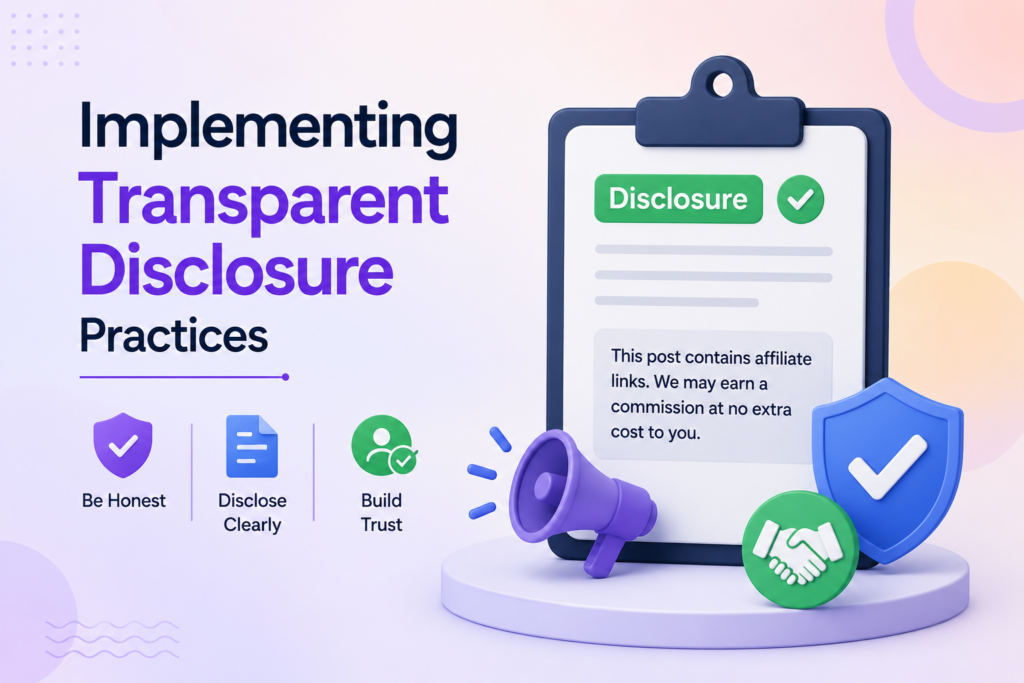
Transparency serves as the bedrock of trust in modern affiliate marketing. When you promote products through your newsletters, your subscribers deserve to know if you earn a commission from their purchases. Prioritizing honesty is not just an ethical choice; it is a fundamental component of email marketing compliance that protects your brand reputation.
Disclosing Affiliate Relationships Clearly
You must ensure that your disclosures are clear, conspicuous, and easy to understand. Avoid burying your relationship status in fine print or complex legal jargon at the bottom of an email. Instead, use plain language that explicitly states your financial interest in the recommended product or service.
“Transparency is the ultimate form of marketing. When you are honest about your incentives, you build a loyal audience that values your recommendations.”
Effective disclosures should appear near the link or the endorsement itself. By being upfront, you satisfy regulatory expectations while fostering a deeper connection with your readers. This proactive approach to email marketing compliance helps you avoid potential legal scrutiny while maintaining professional integrity.
Placement Best Practices for Affiliate Links
Where you place your links significantly impacts both your conversion rates and your compliance status. You should never hide affiliate links behind misleading anchor text or deceptive calls to action. Follow these guidelines to ensure your links remain visible and compliant:
- Proximity: Place your disclosure statement immediately before or after the affiliate link to ensure the reader sees it in context.
- Clarity: Use bold or highlighted text for your disclosure to make it stand out from the rest of the email body.
- Consistency: Maintain a uniform disclosure style across all your campaigns to build predictable trust with your subscribers.
- Accessibility: Ensure that your links are easily clickable on mobile devices, as most users check their emails on smartphones.
By integrating these placement strategies, you demonstrate a commitment to email marketing compliance that sets you apart from competitors. Remember that your goal is to provide value while being transparent about your business model. Consistent adherence to these practices will help you sustain long-term growth and audience loyalty.
Leveraging Email Compliance Software for Automation
Modern technology offers a robust solution for maintaining complex email standards at scale. As your affiliate campaigns grow, manual oversight becomes prone to human error and regulatory risk. Implementing specialized systems allows you to focus on your core marketing strategy while the software handles the technical requirements of legal adherence.
Key Features to Look for in Compliance Tools
When selecting email compliance software, prioritize platforms that offer automated list scrubbing and real-time validation. These features ensure that your database remains clean by removing inactive or invalid addresses before you hit send. Automated audit trails are also essential, as they provide a documented history of consent for every subscriber on your list.
Look for tools that provide granular control over your opt-in and opt-out workflows. A high-quality system will automatically update your suppression lists across all your marketing channels. This level of automation is vital for maintaining consistent email marketing compliance without constant manual intervention.
Integrating Software with Your Affiliate CRM
Connecting your compliance tools directly to your affiliate CRM creates a seamless data flow. This integration ensures that every new lead is automatically verified against your compliance standards before entering your active database. You gain the benefit of centralized reporting, which simplifies the process of monitoring your overall campaign health.
By syncing these systems, you eliminate the risk of data silos that often lead to accidental non-compliance. Your team can access up-to-date information on subscriber status and consent history within a single dashboard. Utilizing this integrated approach is the most effective way to uphold email marketing compliance while scaling your operations efficiently.
Ultimately, investing in the right email compliance software protects your brand reputation and long-term profitability. Automation reduces the burden of regulatory tasks, allowing you to dedicate more time to optimizing your affiliate performance. Choose a solution that scales with your business to ensure you remain protected in an evolving digital landscape.
Handling Unsubscribe Requests and List Hygiene
Your sender reputation depends heavily on how you manage subscriber departures and list hygiene. A clean list ensures that your messages reach the inbox rather than the junk folder. By prioritizing these tasks, you protect your domain authority and improve overall campaign performance.
Streamlining the Opt-out Process
Federal law requires that you provide a clear and simple way for users to unsubscribe from your communications. You should ensure that your opt-out link is visible and functional in every email you send. Making this process difficult often leads to users marking your messages as spam, which damages your reputation with internet service providers.
Modern email compliance software can automate this process by instantly updating your suppression lists. When a user clicks unsubscribe, the system should process the request immediately without requiring additional steps. This efficiency keeps you compliant and respects the preferences of your audience.
Maintaining List Health to Prevent Spam Traps
Spam traps are inactive or recycled email addresses used by providers to identify senders who do not practice good list hygiene. If you continue to send emails to these addresses, your deliverability will suffer significantly. You must regularly audit your database to remove inactive subscribers who have not engaged with your content for an extended period.
Using email compliance software allows you to identify and prune these risky addresses before they trigger a block. Consistent maintenance ensures that your active list remains responsive and high-quality. The following table outlines key strategies for maintaining a healthy email database.
| Strategy | Frequency | Primary Benefit |
|---|---|---|
| List Scrubbing | Quarterly | Removes inactive users |
| Bounce Management | Real-time | Reduces hard bounces |
| Engagement Filtering | Monthly | Improves open rates |
| Suppression Updates | Daily | Ensures legal compliance |
Data Privacy Laws Beyond CAN-SPAM
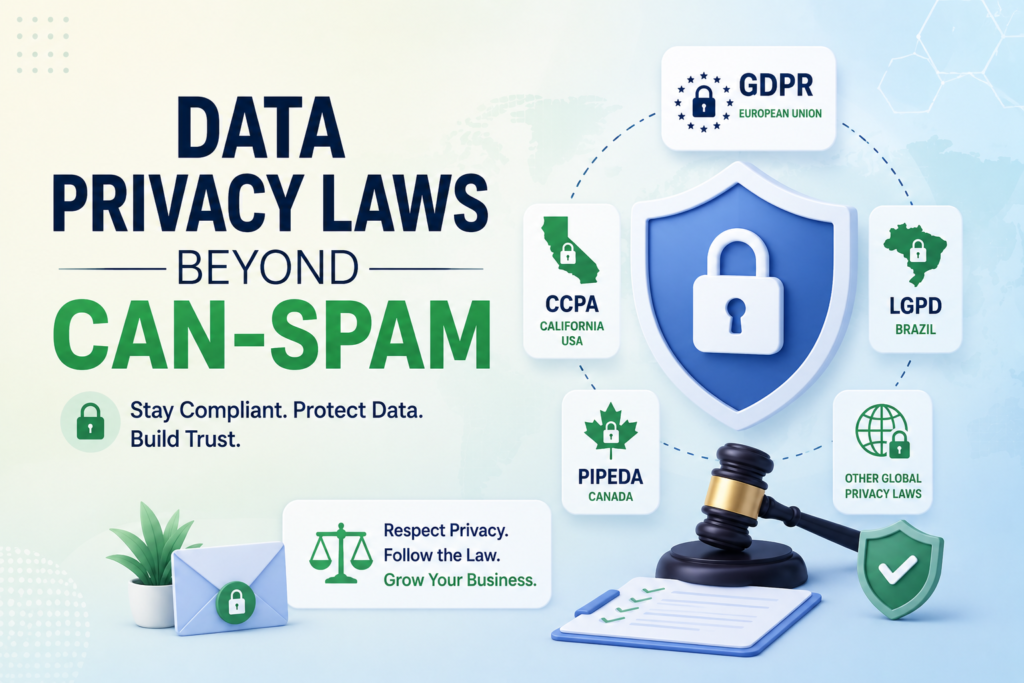
Scaling your affiliate business internationally means moving beyond basic domestic email regulations. While your initial focus might be on local standards, global growth requires a sophisticated approach to data protection. Understanding how international laws interact with your current strategy is vital for long-term success.
Adhering to Can-spam email compliance is only the starting point for a global marketer. You must now account for regional mandates that prioritize user privacy and data sovereignty. Failing to adapt to these broader email regulations can lead to significant legal risks and loss of audience trust.
Navigating GDPR and CCPA Implications
The General Data Protection Regulation (GDPR) in Europe and the California Consumer Privacy Act (CCPA) have fundamentally changed how businesses handle personal information. These laws grant users the right to access, delete, and control their data. You must ensure your opt-in forms and data storage practices align with these strict requirements.
Under these frameworks, silence does not equal consent. You are required to provide clear, granular options for subscribers to manage their preferences. Implementing transparent data handling is no longer optional; it is a core requirement for maintaining your reputation in these markets.
Cross-Border Email Marketing Considerations
Reaching a global audience introduces complexities regarding where data is stored and how it is processed. You must verify that your email service providers offer robust security measures that satisfy international standards. Always review the specific legal requirements of the countries where your subscribers reside to avoid accidental non-compliance.
The following table highlights the primary differences between major regulatory frameworks you may encounter:
| Regulation | Primary Focus | Consent Requirement | Key Right |
|---|---|---|---|
| CAN-SPAM | Commercial Messaging | Opt-out | Unsubscribe |
| GDPR | Data Privacy | Opt-in (Explicit) | Right to be Forgotten |
| CCPA | Consumer Rights | Opt-out | Right to Opt-out of Sale |
Avoiding Common Affiliate Marketing Compliance Pitfalls
Many affiliate marketers inadvertently jeopardize their careers by falling for common compliance mistakes. These errors often lead to severe penalties, including account suspensions and heavy fines. By recognizing these traps early, you can build a more resilient and profitable business model.
Misleading Claims and Deceptive Practices
Transparency is the cornerstone of a successful partnership between you and your audience. When you promote products, you must ensure that every claim is accurate and verifiable. Making exaggerated promises about earnings or product performance is a fast track to losing consumer trust.
Deceptive marketing practices often trigger complaints from subscribers, which can lead to investigations regarding your Can-spam compliance. Always provide clear, honest information about what the user can expect. If a product has limitations, be upfront about them to maintain your professional reputation.
Third-Party List Purchasing Risks
One of the most dangerous shortcuts in the industry is the purchase of third-party email lists. While it may seem like a quick way to scale your reach, these lists rarely contain valid, verifiable consent from the recipients. Sending unsolicited emails to these contacts is a direct violation of federal regulations.
When you use purchased data, you risk being flagged as a spammer by major internet service providers. This damages your sender reputation and makes it nearly impossible to maintain Can-spam compliance in the future. It is always better to grow your list organically through high-quality content and genuine engagement.
| Practice | Risk Level | Compliance Status |
|---|---|---|
| Organic Opt-in | Low | Compliant |
| Purchased Lists | Critical | Non-Compliant |
| Clear Disclosures | Low | Compliant |
| Exaggerated Claims | High | Non-Compliant |
Ready to Future-Proof Your Email Marketing Strategy?
Upgrade to a complete compliance solution that helps you manage regulations, protect your reputation, and scale affiliate campaigns without legal concerns.
Conclusion
Building a sustainable affiliate marketing business requires a commitment to ethical communication. You protect your brand reputation by prioritizing transparency and user consent in every campaign.
These practices serve as the foundation for long-term growth in the United States market. You gain trust from your audience when you respect their privacy and provide clear value.
Regulatory standards continue to shift as digital privacy becomes a top priority for consumers, making ongoing email compliance essential for affiliate marketers. You stay ahead of these changes by auditing your email lists and verifying your sender identity regularly.
Tools from providers like Mailchimp or Constant Contact help you manage these requirements with ease. You minimize legal risks by keeping your processes updated and your data practices clean.
Your success depends on your ability to adapt to new rules while maintaining authentic connections with your subscribers. Take action today to audit your current workflows and align them with these professional standards.
Share your thoughts on how you manage compliance in your own campaigns. Engage with your peers to discuss the best ways to navigate the evolving digital landscape together.
FAQs
Why is maintaining strict email compliance critical for affiliate marketers in 2026?
As digital communication standards evolve, 2026 demands a more rigorous approach to email regulations to protect your business from litigation and permanent reputation damage. Following a structured email compliance checklist ensures that your campaigns remain deliverable and that you stay ahead of shifting privacy laws that impact how you handle subscriber data and outreach.
What are the core requirements to ensure my campaigns meet can-spam compliance?
To remain compliant with the CAN-SPAM Act, you must ensure your “From,” “To,” and “Reply-To” information is accurate, use non-deceptive subject lines, and include a valid physical postal address. Furthermore, you must provide a clear, conspicuous way for recipients to opt out of future emails and honor those requests within 10 business days. Failing to meet can-spam compliance can result in significant financial penalties from the Federal Trade Commission (FTC).
How does email compliance software improve my affiliate marketing operations?
Utilizing email compliance software , such as tools provided by Klaviyo or HubSpot, allows you to automate list hygiene, manage suppression lists, and ensure every outgoing message contains the necessary legal disclosures. By integrating these tools with your affiliate CRM, you can maintain email marketing compliance at scale without manually auditing every single deployment.
What is the best way to handle consent for a global audience, including CCPA and GDPR?
While can spam email compliance focuses on an opt-out mechanism, international and state-level laws like the GDPR and CCPA often require explicit consent. Implementing a double opt-in strategy is the gold standard for affiliate marketers, as it provides documented proof of consent, which is vital during regulatory audits and helps prevent your messages from hitting spam traps.
How should I disclose affiliate relationships to remain transparent and compliant?
Transparency is a pillar of email marketing compliance. You must clearly and conspicuously disclose your financial relationship with any brand you promote, such as Amazon Associates or ShareASale. These disclosures should be placed near your affiliate links or at the beginning of your email to ensure readers are fully informed before they click, satisfying both legal requirements and building long-term trust with your audience.
What are the risks of using third-party email lists for affiliate campaigns?
Purchasing third-party lists is one of the most common email compliance pitfalls. These lists often contain “spam traps” and individuals who have not given you direct consent to contact them. Using such lists can lead to your domain being blacklisted by major providers like Google and Outlook, effectively ending your ability to reach your subscribers and violating can-spam compliance standards regarding unsolicited commercial messages.
What is the most common Form I-9 compliance email format?
A Form I-9 compliance email typically includes a clear subject line, employee identification details, a request to complete or update Form I-9 documentation, submission instructions, and a deadline for completion. While Form I-9 compliance is primarily an HR requirement rather than an affiliate marketing concern, marketers should avoid sending employment-related compliance emails to promotional mailing lists and ensure all compliance communications are sent only to the intended recipients.
Can affiliate marketers send promotional emails without prior consent?
The answer depends on the recipient’s location and applicable regulations. In jurisdictions governed by the GDPR and similar privacy laws, explicit consent is generally required before sending marketing emails. Under the CAN-SPAM Act in the United States, commercial emails can be sent without prior consent in some cases, provided all compliance requirements, including opt-out mechanisms and accurate sender information, are met.
How often should affiliate marketers audit their email compliance practices?
Affiliate marketers should review their email compliance procedures at least quarterly and whenever new privacy regulations are introduced. Regular audits help identify issues such as outdated consent records, inactive subscribers, missing disclosures, and unsubscribe process failures before they result in penalties or deliverability problems.
What should I do if my affiliate emails are flagged as spam?
If your emails are being marked as spam, immediately review your list acquisition methods, remove inactive or unverified subscribers, verify that your unsubscribe process works correctly, and ensure your content includes proper affiliate disclosures. Monitoring sender reputation and implementing double opt-in practices can significantly reduce spam complaints and improve deliverability.