
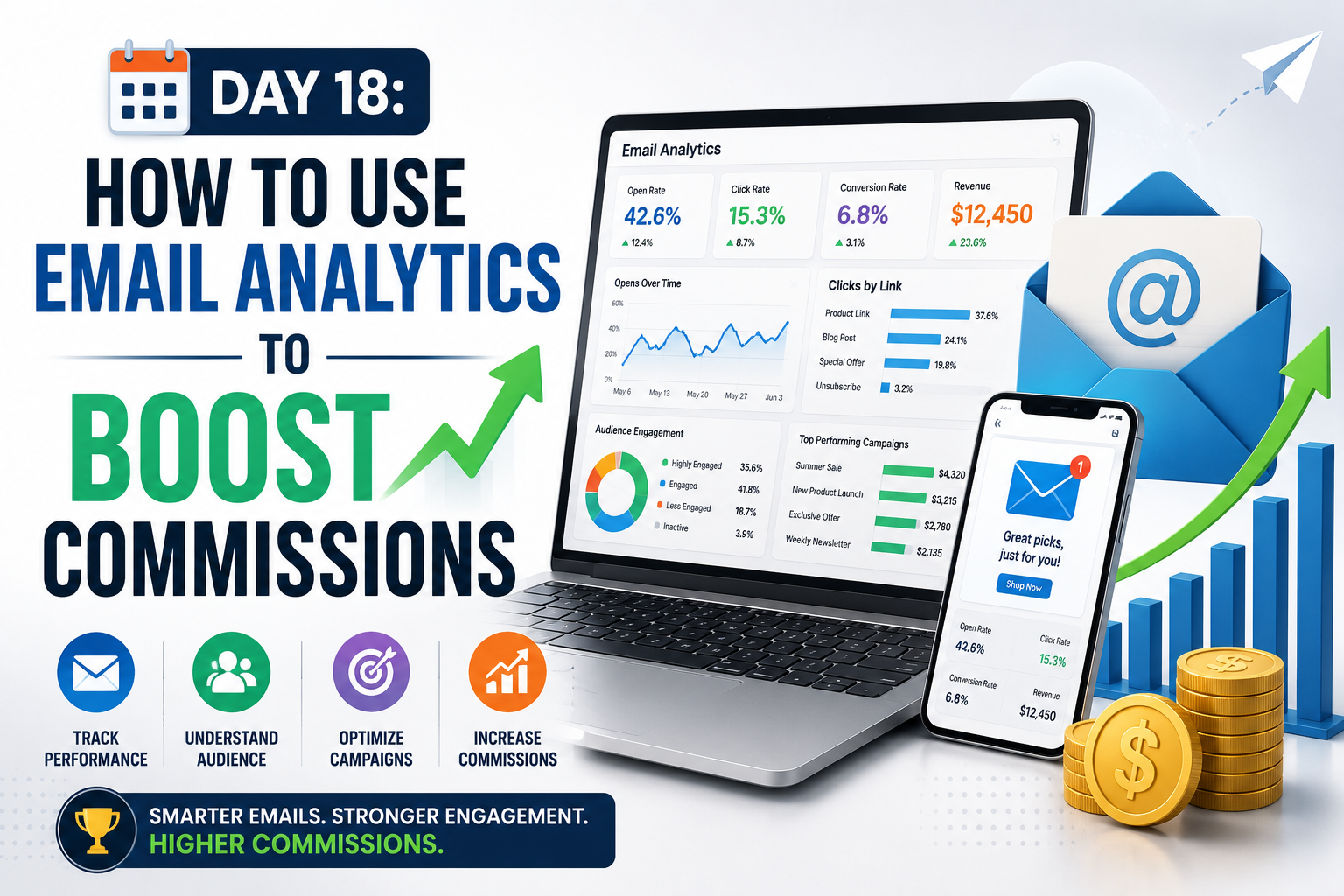


Did you know that nearly 70% of affiliate marketers fail to reach their full earning potential simply because they ignore the data behind their clicks? Most people treat their outreach like a lottery ticket, hoping for a win without understanding the mechanics of success. By shifting your focus toward data-driven strategies, you can turn raw numbers into a consistent stream of revenue.
Tracking subscriber behavior is the secret weapon of top-tier professionals. When you master email analytics, you gain a clear window into what your audience truly wants. This insight allows you to refine your messaging and target your offers with surgical precision. You no longer have to guess which links perform best because the metrics provide the answers you need to scale your income.
Applying these proven email analytics insights helps you make smarter decisions every single day. As you optimize your approach, you will see your commission potential grow significantly. It is time to stop leaving money on the table and start using your email analytics to build a more profitable future.
Key Takeaways
- Understand how email analytics and subscriber data directly influences your total commission earnings.
- Learn to identify which specific links drive the most engagement from your audience.
- Transform raw email analytics performance numbers into actionable steps for your marketing strategy.
- Use behavioral insights to tailor your content for higher conversion rates.
- Master the art of informed decision-making to maximize your long-term revenue.
Still Guessing What Makes You Money?
Stop relying on luck and start using real subscriber data to uncover what actually drives clicks, conversions, and commissions.
What is the Role of Email Analytics in Affiliate Revenue
Email marketing analytics act as a compass, guiding your strategy toward higher revenue and better engagement. By tracking how your subscribers interact with your content through email analytics, you transform raw numbers into a clear roadmap for growth. This data serves as the backbone of a successful affiliate strategy, revealing exactly what resonates with your audience.
When you monitor email analytics, you uncover the direct correlation between specific engagement patterns and the commissions you earn. You might notice that subscribers who click on educational content are more likely to purchase high-ticket items. This email analytics insight allows you to stop relying on intuition and start making decisions based on hard evidence.
Transitioning to an email analytics driven mindset ensures your marketing efforts remain profitable over the long term. Instead of guessing which subject lines or offers will perform well, you can rely on email analytics historical trends to guide your next move. This email analytics shift minimizes wasted effort and maximizes your return on investment.
The following email analytics table highlights the fundamental differences between managing your affiliate business through intuition versus utilizing professional analytics:
| Strategy Component | Intuition-Based Approach | Data-Driven Approach |
|---|---|---|
| Decision Making | Guesswork and assumptions | Evidence and trends |
| Revenue Growth | Inconsistent and slow | Scalable and predictable |
| Audience Insight | Limited understanding | Deep behavioral patterns |
| Campaign Pivot | Reactive and risky | Proactive and calculated |
By leveraging email analytics, you gain the power to pivot your approach whenever performance dips. This agility is what separates top-tier affiliates from those who struggle to maintain consistent income. Ultimately, mastering email marketing analytics is the most reliable way to ensure your affiliate links generate the revenue you deserve.
Key Email Marketing Metrics You Must Track
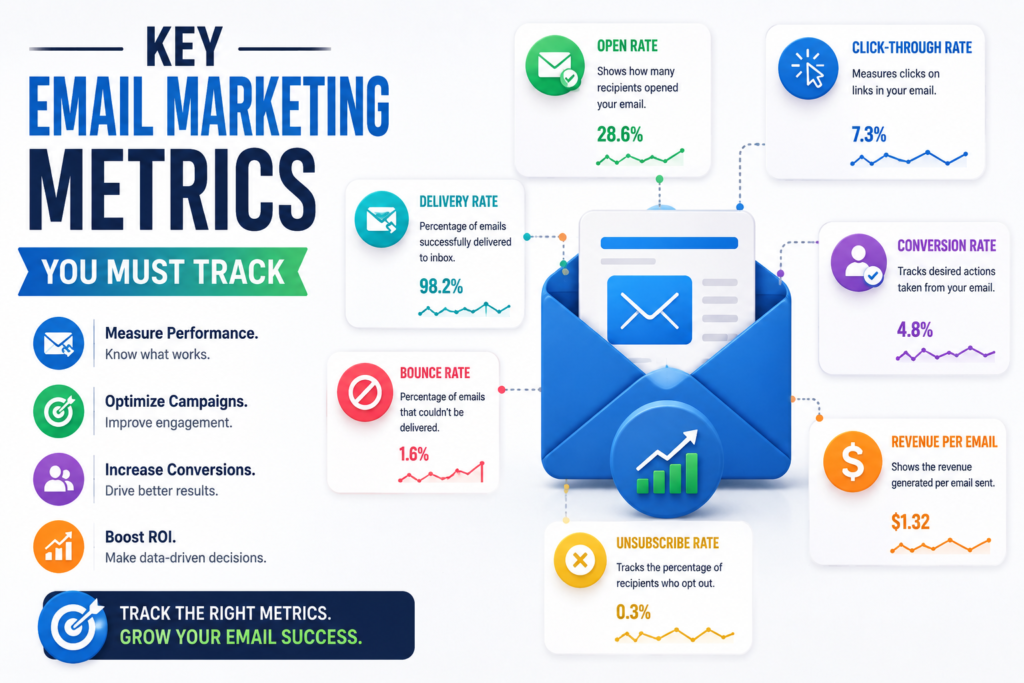
Mastering specific email marketing metrics is essential for any serious affiliate marketer. When you monitor the right data points, you gain a clear view of how your audience interacts with your content. This clarity allows you to refine your strategy and boost your overall commissions.
Open Rates and Subject Line Performance
Your open rate in email analytics serves as the first indicator of whether your audience finds your emails relevant. A high open rate suggests that your subject lines are compelling and resonate with your subscribers. If your rates are low, you should experiment with different hooks or personalization tactics to grab attention.
Click-Through Rates as a Proxy for Interest
Once a subscriber opens your email, the click-through rate (CTR) becomes the most important signal of genuine interest. This metric tells you exactly how many people are motivated enough to engage with your affiliate links. High CTRs indicate that your product recommendations align perfectly with the needs of your readers.
Conversion Rates and Revenue Attribution
Email analytics conversion rates provide the final piece of the puzzle by showing how many clicks actually turn into sales. By using tracking pixels or unique affiliate IDs, you can attribute specific revenue back to individual campaigns. This level of detail helps you identify which emails generate the highest return on investment.
| Metric | Primary Goal | Actionable Insight |
|---|---|---|
| Open Rate | Subject Line Success | Refine copy and timing |
| Click-Through Rate | Content Engagement | Optimize link placement |
| Conversion Rate | Revenue Generation | Identify winning offers |
| Unsubscribe Rate | List Health | Adjust content frequency |
Selecting the Right Email Marketing Analytics Tools
Selecting the right software is a critical step in mastering your email analytics data. When you manage affiliate campaigns, you need more than just basic open rates to understand your audience. High-level email marketing analytics provide the insights necessary to pivot your strategy and increase your bottom line.
Evaluating Features in Top Email Automation Tool
Mailchimp, Klaviyo, and MailerRocket represent some of the most effective options for creators looking to improve email performance through smarter tracking and automation. Mailchimp offers a user-friendly interface that is perfect for beginners who need quick access to campaign performance. It excels at providing clear, visual data on how your subscribers interact with your content.
Klaviyo, on the other hand, is built specifically for e-commerce and deep email analytics behavioral tracking. If your affiliate strategy relies on complex purchase funnels, these email marketing analytics tools offer superior segmentation capabilities. You can easily track which specific products drive the most revenue from your email lists.
MailerRocket provides a balanced approach for marketers who want email automation, audience segmentation, and performance tracking without unnecessary complexity. For affiliate marketers and growing businesses, MailerRocket makes it easier to monitor subscriber engagement, optimize campaigns, and turn email analytics insights into measurable revenue growth.
Leveraging Advanced Reporting in ActiveCampaign
ActiveCampaign stands out by offering sophisticated email analytics reporting that tracks the entire subscriber lifecycle. This platform allows you to see exactly how a lead moves from an initial click to a final purchase. By using these advanced features, you gain unparalleled visibility into your conversion paths.
You can create custom reports that highlight which automated sequences generate the highest commissions. This level of detail is essential for scaling your efforts. When you master email marketing analytics, you stop guessing and start making data-driven decisions that consistently boost your affiliate income.
Segmenting Your Audience Based on Behavioral Data
Treating your entire email list as a single group without email analytics is a missed opportunity for higher affiliate revenue. When you send the same message to everyone, you ignore the unique interests and habits of your individual subscribers. Segmentation allows you to tailor your approach based on how users interact with your links and content.
By grouping your audience through email analytics, you ensure that your affiliate offers reach the people most likely to click and purchase. This targeted strategy transforms your email marketing from a generic broadcast into a personalized experience that drives consistent results.
Identifying High-Intent Subscribers
High-intent subscribers dentified through email analytics are those who actively engage with your emails by clicking links and visiting your recommended product pages. You can identify these users through email analytics by tracking their behavior over time within your email platform. Look for individuals who consistently open your messages and interact with specific categories of products.
Once you identify these users, you can create a dedicated segment for them. This group is your most valuable asset because they have already demonstrated a clear interest in your recommendations. Sending exclusive, early-access offers to this segment often leads to higher conversion rates and increased commissions.
Re-engaging Inactive Leads to Recover Lost Commissions
Email analytics reveal inactive leads are subscribers who have stopped opening your emails or clicking your links. These users represent lost potential, but they are not necessarily lost forever. With email analytics, you can implement a win-back campaign to remind them why they joined your list in the first place.
Start by sending a survey or a high-value piece of content to gauge their current interest. If they remain unresponsive, it is often better to remove them to maintain a healthy sender reputation. However, a well-timed re-engagement sequence can often recover significant revenue from subscribers who simply needed a nudge.
| Segment Type | Behavioral Trigger | Recommended Action |
|---|---|---|
| High-Intent | Frequent link clicks | Send exclusive offers |
| Occasional | Sporadic opens | Provide helpful guides |
| Inactive | No activity for 90 days | Run win-back sequence |
Optimizing Subject Lines to Increase Open Rates
Email analytics show that your subject line is the single most important factor in determining whether your email gets opened or ignored. Even the most lucrative affiliate offer will fail to generate revenue if your audience never clicks through to read the message. By treating your subject lines as a critical conversion variable, you can unlock higher engagement and better financial results.
A/B Testing Strategies for Maximum Impact
Email analytics and A/B testing allows you to remove the guesswork from your email marketing strategy. By sending two variations of a subject line to a small segment of your list, you can identify which version resonates most effectively with your subscribers. This email analytics driven approach ensures that your final blast reaches the largest possible audience with the most compelling hook.
To achieve the best results, consider testing these specific elements:
- Length: Compare short, punchy subject lines against longer, more descriptive ones.
- Tone: Test the difference between urgent, curiosity-driven, and benefit-focused language.
- Personalization: Experiment with including the subscriber’s name or specific references to their past interests.
- Visuals: Evaluate whether adding emojis increases or decreases your specific audience’s willingness to open.
“The goal of A/B testing is not just to find a winner, but to understand the underlying psychology that drives your audience to take action.”
Analyzing Time-of-Day Performance Data
Even a perfectly crafted subject line can fail if it arrives in an inbox at the wrong time. Your subscribers have specific windows during the day when they are most likely to engage with their email. Analyzing your historical performance data helps you pinpoint these peak engagement hours for your unique niche.
Start by reviewing your email analytics platform to see when your open rates are highest. You might discover that your audience prefers reading emails during their morning commute or late in the evening. Once email analytics identify these patterns, schedule your future campaigns to align with these high-activity periods to maximize your visibility.
Remember that audience behavior can shift over time, so you should revisit your timing data every quarter. Consistent monitoring ensures that your affiliate promotions remain relevant and timely, keeping your commission potential as high as possible.
Refining Email Content for Higher Click-Through Rates
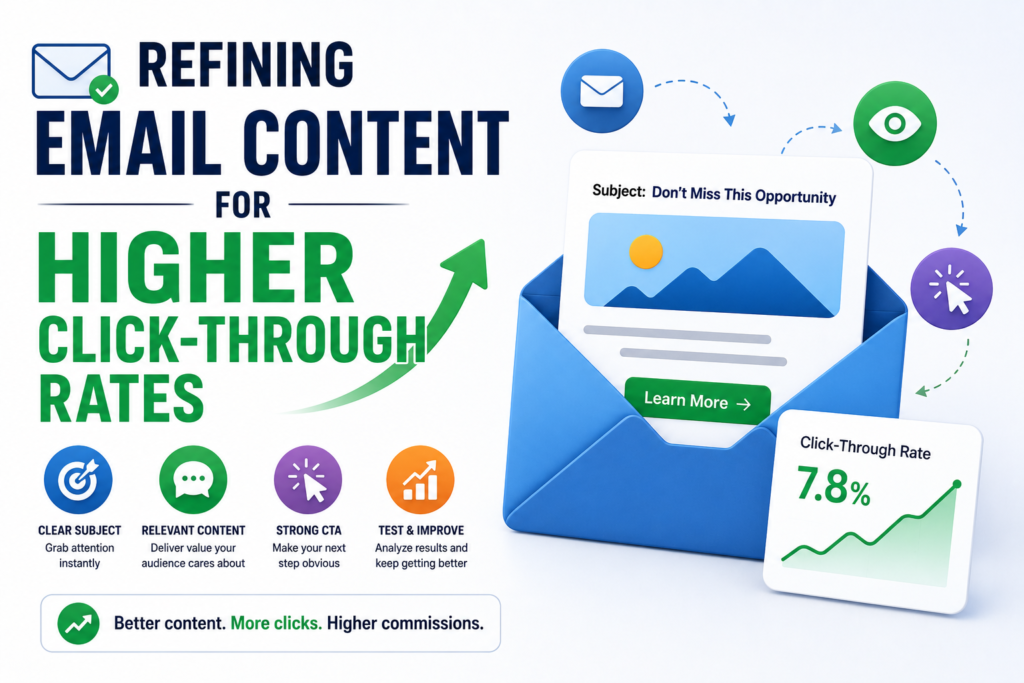
Email analytics show that the way you arrange your text and links determines whether a reader takes action or hits delete. When you provide value, you must also provide a clear path for the user to follow. A cluttered email often leads to confusion, which is the enemy of your affiliate commissions.
The Impact of Call-to-Action Placement
According to email analytics, your call-to-action (CTA) is the most critical element in your email. Placing your primary link above the fold ensures that even those who skim your message see the offer immediately. This is especially effective for readers on mobile devices who may not scroll to the bottom.
However, you should also consider placing a secondary CTA at the end of your message. This captures the attention of readers who prefer to consume the entire narrative before making a decision. Strategic placement ensures that you catch the user at the exact moment their interest peaks.
Visual Hierarchy and Link Density Analysis
Email analytics reveal that visual hierarchy guides the reader’s eye through your content in a logical flow. By using bold headings, bullet points, and short paragraphs, you create a rhythm that keeps the reader engaged. This structure prevents the reader from feeling overwhelmed by large blocks of text.
Link density is another factor that requires careful balance. If you include too many links, you risk diluting the focus and confusing the reader about which action to take. Limit your links to one or two primary offers to ensure the user stays on the intended path toward your affiliate product.
You should analyze your email analytics click data to see which areas of your email receive the most attention. If your links are buried in dense paragraphs, consider moving them to their own lines or using buttons. Simplifying your design often leads to a direct increase in your overall conversion rates.
Using Email Campaign Reporting to Identify Winning Offers
You can transform your affiliate revenue by mastering the art of email campaign reporting. By analyzing how your subscribers interact with specific links, you gain a clear picture of what drives them to purchase. This process moves you away from guesswork and toward a data-backed strategy that maximizes your commissions.
“Data is the bridge between your intuition and your actual revenue growth.”
Your Subscribers Are Giving You the Answers
Every click tells a story. Discover which offers convert, what content your audience craves, and how to turn email data into predictable affiliate income.
Comparing Product Performance Across Campaigns
To identify your top-performing offers, you must look at how different products perform over time. You should track clicks and conversions for the same product across multiple email blasts to see if interest remains steady or fades. This helps you distinguish between a one-time trend and a consistent revenue generator.
| Product Category | Avg. Click Rate | Conversion Rate |
|---|---|---|
| Software Tools | 4.2% | 12% |
| Online Courses | 2.8% | 8% |
| Physical Gear | 1.5% | 5% |
Using email campaign reporting allows you to compare these categories side-by-side. If your software recommendations consistently outperform physical goods, you know exactly where to focus your future promotional efforts. This clarity is essential for scaling your affiliate business effectively.
Adjusting Affiliate Strategies Based on Click Data
Once you identify your winning offers, you must adjust your strategy to capitalize on that interest. If your data shows that a specific product category receives high clicks but low conversions, you might need to refine your landing page or offer a better incentive. Optimization is a continuous cycle of testing and refinement.
Do not be afraid to pivot your focus when the numbers suggest a change is necessary. By leveraging email campaign reporting, you can confidently double down on high-intent products while cutting ties with underperforming offers. This disciplined approach ensures that every email you send works harder to increase your bottom line.
Automating Follow-Ups Based on User Interaction
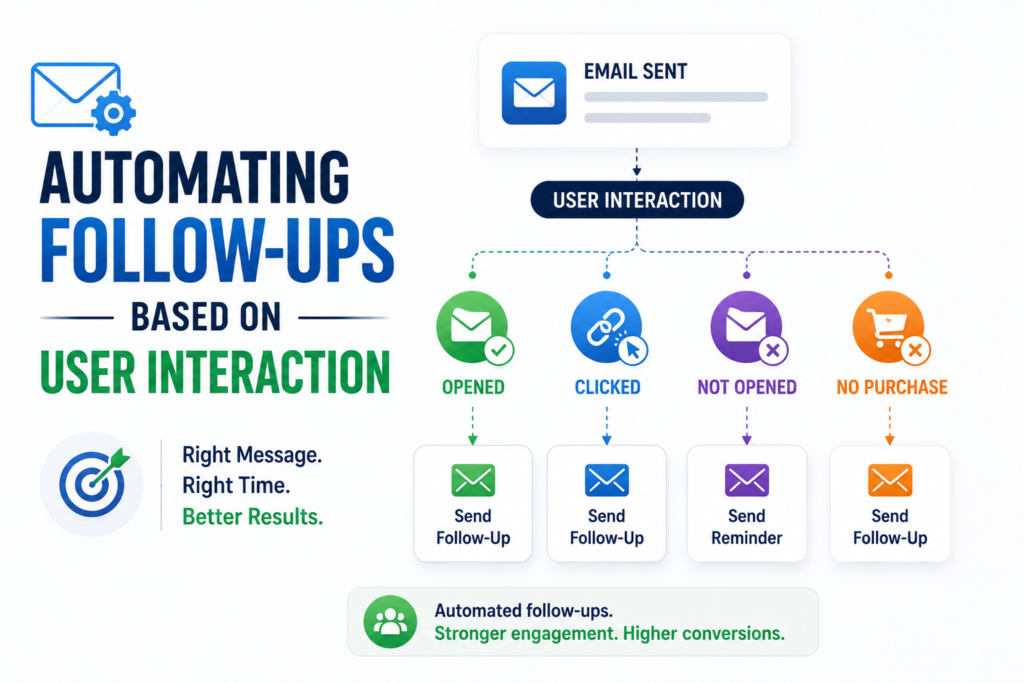
Automation transforms your email strategy from a static broadcast into a dynamic conversation. By moving beyond simple newsletters, you create a personalized experience that guides subscribers toward a purchase. This approach ensures your messaging remains relevant to the specific interests of your audience.
Triggering Sequences from Link Clicks
You can set up your email platform to monitor specific link clicks within your messages. When a subscriber clicks a link for a particular product, it acts as a clear signal of their current intent. This action can automatically trigger a dedicated follow-up sequence designed to answer common questions or offer a limited-time incentive.
For example, if a reader clicks a link about high-end camera gear, you can immediately enroll them in a series focused on photography tips and accessory recommendations. This targeted communication keeps your brand top-of-mind while providing genuine value. It effectively moves the subscriber further down the sales funnel without requiring manual intervention.
Personalizing Recommendations Using Purchase History
Leveraging email analytics and past purchase data is one of the most effective ways to increase the lifetime value of your subscribers. When you know what a customer has already bought, you can suggest complementary products that naturally fit their needs. This strategy turns one-time buyers into loyal, repeat customers.
You should integrate your email service provider with your affiliate dashboard to track these interactions. By analyzing this data, you can send automated emails that highlight items related to their previous orders. This level of personalization significantly boosts your chances of earning additional commissions while improving the overall shopping experience for your audience.
Common Pitfalls When Interpreting Email Tracking Tools
Your success depends on your ability to filter out noise from your email marketing analytics tools. While data provides a roadmap for growth, misinterpreting these signals can lead you down the wrong path. You must learn to distinguish between numbers that boost your ego and those that actually drive affiliate commissions.
Avoiding Vanity Metrics That Do Not Drive Sales
Vanity metrics are data points that look impressive on a report but fail to correlate with your revenue goals. High subscriber counts or total email sends might feel like progress, but they rarely tell the full story of your business health. You should prioritize actionable insights over superficial growth indicators.
Focusing on the wrong data can waste your time and resources. Instead of chasing these hollow numbers, track the metrics that directly influence your bank account:
- Conversion Rate: The percentage of users who actually purchase after clicking.
- Revenue Per Email: The total income generated divided by the number of emails sent.
- Click-to-Open Rate: A better measure of how well your content resonates with those who actually engage.
Limitations of Open Tracking
Modern email tracking tools face significant hurdles due to privacy updates and automated security filters. Many email providers now block tracking pixels by default, which can artificially inflate or deflate your open rate data. You should treat open rates as a directional guide rather than an absolute truth.
The following table highlights why relying solely on open rates can be misleading in today’s digital landscape:
| Metric | Common Misconception | Reality |
|---|---|---|
| Open Rate | Perfect accuracy | Impacted by privacy filters |
| Click Rate | Direct sales indicator | Requires conversion tracking |
| Subscriber Count | High value | Quality matters more than quantity |
Always cross-reference your open data with click-through and conversion metrics to get a clearer picture. By maintaining a skeptical yet informed perspective, you ensure that your strategy remains grounded in reality. This approach protects your affiliate business from making decisions based on incomplete or skewed information.
Ready to Turn Email Clicks Into Bigger Commissions?
The difference between average affiliates and top earners comes down to one thing. They follow the data. Start optimizing every email and maximize your revenue potential.
Conclusion
Building a sustainable income stream requires a shift from guessing to measuring. You now possess the framework to transform raw data into actionable insights that drive your affiliate commissions higher.
Consistency remains the most vital component of your daily routine. By reviewing your performance metrics and email analytics in platforms like Mailchimp or Klaviyo, you create a feedback loop that refines your strategy over time. Small adjustments to your content or timing often lead to significant gains in your bottom line.
Your email list represents a powerful asset when managed with precision. You have the tools to segment your audience and deliver relevant offers that resonate with your subscribers. This approach builds trust while maximizing the revenue potential of every message you send.
Commit to this analytical mindset to ensure long-term success in your marketing efforts. Track your progress, learn from your results, and keep optimizing your campaigns. Your dedication to data-driven decisions will set you apart in the competitive affiliate landscape.
Share your experiences with these strategies by reaching out to our community. Tell us which metrics have made the biggest impact on your revenue this month. Your journey toward mastering email analytics starts with the very next campaign you launch.
FAQs
Why are email marketing analytics critical for increasing my affiliate commissions?
Email marketing analytics transform raw data into actionable insights, allowing you to move beyond guesswork. By analyzing how your subscribers interact with your content, you can identify which strategies drive the most revenue. This data-driven approach ensures you are making informed decisions that directly maximize your commission potential and long-term profitability.
What are the most important email marketing metrics I should monitor?
To maintain a healthy affiliate campaign, you must track open rates to evaluate subject line effectiveness and click-through rates (CTR) to measure genuine interest in your offers. Furthermore, monitoring conversion rates and revenue attribution is essential for understanding which specific emails are generating the highest return on investment.
How do I choose between different email marketing analytics tools like Mailchimp or Klaviyo?
Choosing the right email marketing analytics tools depends on your specific tracking needs. Mailchimp and Klaviyo offer excellent feature sets for e-commerce and general engagement tracking, while ActiveCampaign is often preferred for its advanced reporting and deep visibility into the subscriber lifecycle. You should evaluate these platforms based on their ability to provide the granular data required for your affiliate strategy.
How can I use email analytics to recover lost affiliate revenue?
By utilizing email tracking tools, you can segment your audience to identify inactive leads who have stopped engaging with your content. Implementing targeted re-engagement sequences based on this behavioral data allows you to win back their attention and recover commissions that would otherwise be lost to disinterest.
What is the best way to optimize subject lines using data?
The most effective method is through structured A/B testing. By testing different messaging styles and analyzing time-of-day performance data, you can determine exactly what compels your audience to open your emails. This ensures your affiliate offers arrive in the inbox at the precise moment your subscribers are most likely to engage.
How does link density and visual hierarchy affect my click-through rates?
Email analytics often reveal that the placement of your Call-to-Action (CTA) and the overall visual flow of your email significantly impact user behavior. By performing a link density analysis, you can reduce friction and guide readers toward your affiliate links more effectively, resulting in higher engagement and more clicks.
How can email campaign reporting help me identify winning affiliate products?
Comprehensive email campaign reporting allows you to compare the performance of different products across multiple sends. By identifying which categories or brands generate the most clicks and conversions, you can refine your future promotions to focus exclusively on the high-performing offers that your audience prefers.
Can I automate my affiliate promotions based on user behavior?
Yes, you can use email analytics to trigger automated follow-up sequences whenever a subscriber clicks a specific link. Additionally, leveraging purchase history data allows you to provide personalized recommendations, ensuring your marketing remains relevant and increases the lifetime value of your subscribers.
What are the dangers of focusing on vanity metrics in email tracking tools?
Vanity metrics, such as total opens or social shares, can be misleading because they don’t always correlate with actual sales. It is vital to distinguish these from actionable insights that drive revenue. Furthermore, you must understand the limitations of modern email tracking tools, such as privacy-related changes in Apple Mail, to ensure your data interpretation remains realistic and accurate.