
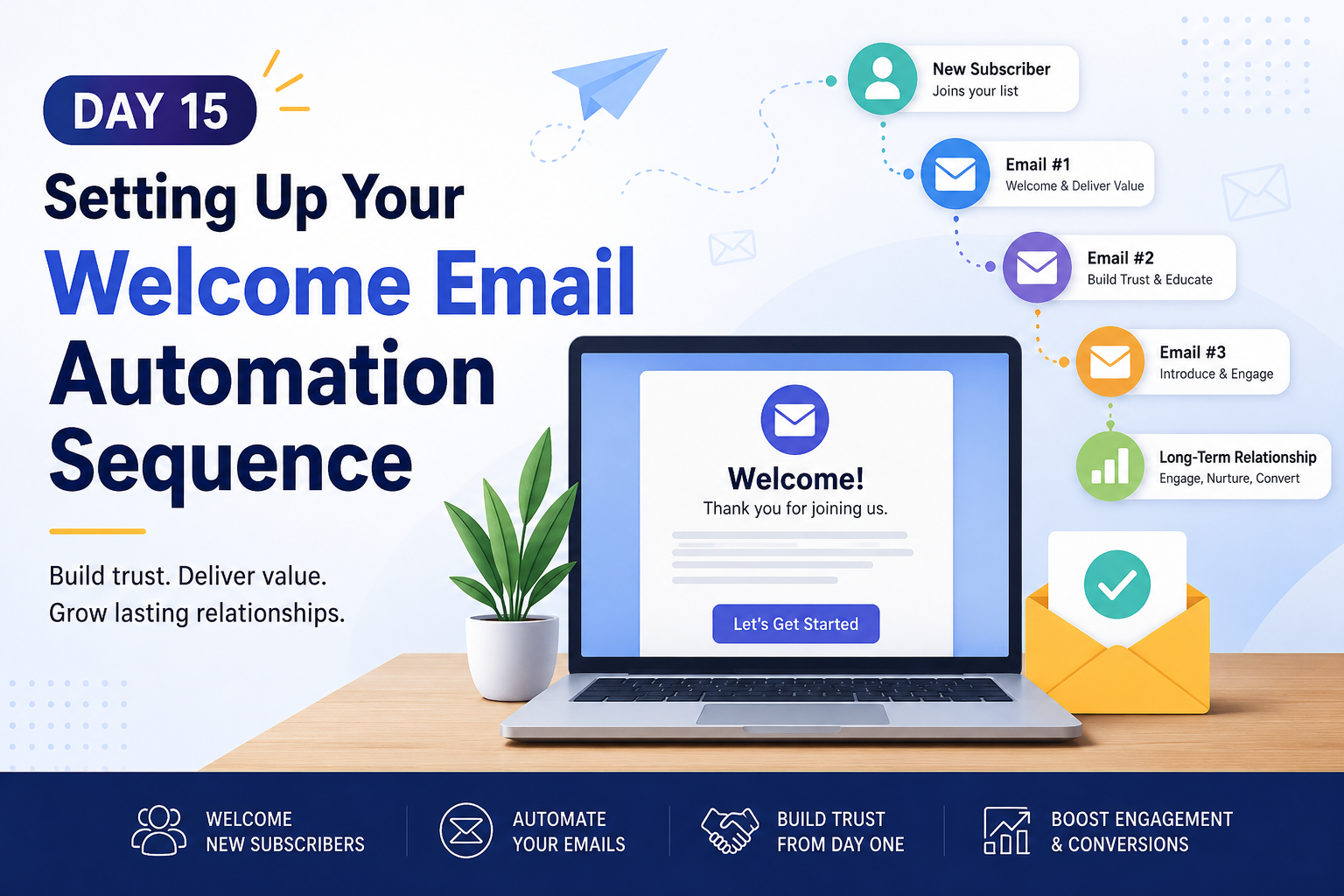





Your first interaction with a new subscriber is the most critical moment in your digital relationship. When someone joins your list, they expect immediate value and a clear sense of your brand identity.
Creating a thoughtful welcome email series helps you establish trust right from the start. This initial touchpoint serves as the foundation for long-term audience retention and brand loyalty.
By utilizing smart Email Automation, you can streamline your communication strategy without manual effort. A well-planned autoresponder setup ensures that every new lead receives a consistent, professional greeting regardless of when they sign up.
This guide will walk you through the technical and creative steps required to build a high-performing sequence. You will learn how to turn casual visitors into dedicated followers through strategic messaging.
Key Takeaways
- First impressions are vital for building lasting subscriber trust.
- A structured sequence helps maintain consistent brand communication.
- Strategic messaging increases long-term audience retention rates.
- Technical tools allow you to scale your outreach efforts efficiently.
- Professional greetings set the tone for all future interactions.
Stop Losing New Subscribers After Signup
Build automated welcome email sequences that engage subscribers instantly, strengthen trust, and turn signups into loyal customers.
The Strategic Importance of Your Welcome Sequence
Your welcome sequence serves as the digital handshake that defines your brand’s future relationship with every new subscriber. This initial interaction sets the tone for all future communication and establishes your professional identity. By leveraging email marketing automation, you ensure that every person who joins your list receives a consistent and high-quality introduction to your business.
Why First Impressions Matter in Email Marketing
The psychological impact of your first message cannot bSpam filters are designed to protect users, but they can sometimes flag legitimate messages overstated. When a user signs up, they are actively looking for a response, making them highly receptive to your brand’s voice. First impressions are permanent, and failing to acknowledge a new subscriber immediately can lead to missed opportunities and decreased brand affinity.
A well-crafted welcome message validates the user’s decision to join your community. It provides instant gratification and confirms that they have made the right choice by trusting you with their contact information.
Building Trust with New Subscribers
Trust is the currency of the digital age, and it is earned through reliability and value. Email marketing automation allows you to deliver promised content, such as lead magnets or discount codes, the very second a user hits the subscribe button. This immediate delivery demonstrates that your brand is organized, professional, and attentive to the needs of your audience.
When you provide value right away, you move beyond being just another sender in their inbox. You become a trusted resource that they look forward to hearing from in the future.
The Impact of Timing on Open Rates
Timing is a critical factor in the success of your outreach strategy. Data consistently shows that subscribers are most engaged during the first hour after they sign up. If you wait too long to send your welcome email, you risk being forgotten or lost in the clutter of a busy inbox.
Using email marketing automation to trigger messages instantly ensures you capture the subscriber while their interest is at its peak. The following table illustrates how timing influences the effectiveness of your initial outreach efforts.
| Timing of Email | Average Open Rate | Subscriber Sentiment |
|---|---|---|
| Immediate | 80% – 90% | High Satisfaction |
| Within 1 Hour | 50% – 60% | Positive |
| After 24 Hours | 15% – 20% | Neutral/Forgetful |
| After 48 Hours | Below 10% | Disengaged |
Defining Your Goals for Email Automation
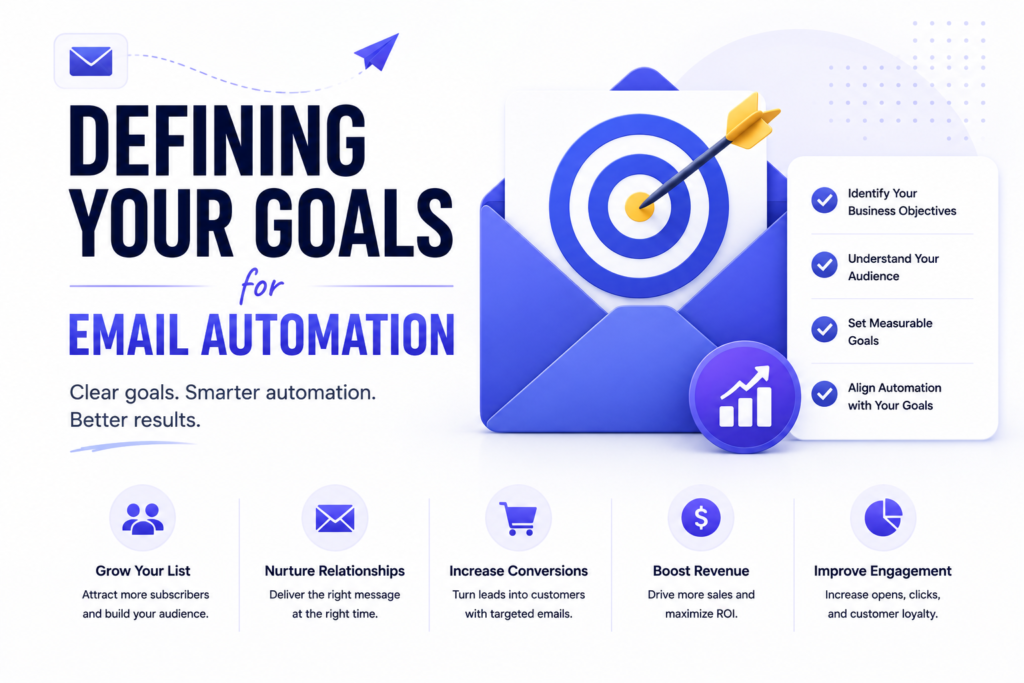
Establishing precise objectives is the foundation of any effective Email Automation system. Without a clear target, your messages may lack the focus needed to drive meaningful results. You must determine exactly what you want to achieve before you send a single message to your subscribers.
Identifying Key Performance Indicators
To track your progress, you need to monitor specific metrics that reveal how your audience interacts with your brand. These data points help you refine your strategy over time. Consider focusing on the following metrics to gauge the health of your campaigns:
- Open Rate: Measures how many people find your subject lines engaging.
- Click-Through Rate (CTR): Indicates how well your content motivates users to take action.
- Conversion Rate: Tracks the percentage of subscribers who complete a desired goal, such as a purchase.
- Unsubscribe Rate: Helps you identify if your content frequency or quality needs adjustment.
Segmenting Your Audience from Day One
One of the most powerful aspects of Email Automation is the ability to deliver personalized experiences. By segmenting your list as soon as someone joins, you ensure that your messaging remains highly relevant. You can categorize users based on their interests, demographics, or how they discovered your website.
| Segment Type | Data Source | Goal |
|---|---|---|
| New Leads | Sign-up Form | Welcome and Educate |
| Active Customers | Purchase History | Upsell and Retention |
| Inactive Users | Engagement Data | Re-engagement Campaign |
Aligning Email Content with Business Objectives
Every email you send should serve a specific purpose that supports your broader business goals. Whether you aim to increase revenue, build brand loyalty, or drive website traffic, your content must reflect these priorities. Strategic alignment ensures that your Email Automation efforts contribute directly to your bottom line.
Take the time to audit your current messaging to ensure it provides genuine value to your readers. When your content matches your business objectives, you create a sustainable cycle of growth and engagement. Consistency in your messaging will ultimately lead to higher trust and better long-term results.
Selecting the Right Email Automation Software
Selecting the right system is a critical step in scaling your business operations. As your subscriber list grows, manual outreach becomes impossible to manage effectively. Investing in professional email automation software allows you to maintain personal connections at scale while saving valuable time. Before setting up automation, make sure your email marketing foundation checklist is complete.
Ready to Build an Email Sequence That Actually Converts?
Create personalized welcome emails, automate follow-ups, and turn new subscribers into paying customers with less manual effort.
Evaluating Essential Features for Small Businesses
When you begin your search, prioritize platforms that offer intuitive interfaces and robust functionality. You need a system that grows with your brand rather than one that limits your creative potential. Look for these essential capabilities to ensure long-term success:
- Advanced Segmentation: The ability to group users based on behavior and demographics.
- Visual Workflow Builders: Drag-and-drop editors that simplify complex campaign logic.
- Detailed Analytics: Real-time reporting on open rates, click-throughs, and conversion metrics.
“The right technology stack acts as the engine for your growth, turning simple interactions into lasting customer relationships.”
Comparing Popular Email Automation Tools
The market is filled with various email automation tools, each catering to different business models. Choosing the right one depends on your specific technical needs and budget constraints. The following table highlights how top industry players compare in key areas:
| Platform | Best For | Key Strength |
|---|---|---|
| Mailer Rocket | Email Marketing & Automation | User-friendly automation and campaign management |
| ActiveCampaign | Advanced Automation | Complex logic flows |
| Mailchimp | Beginners | Ease of use |
| ConvertKit | Creators | Subscriber management |
Ensuring Integration with Your CRM and Website
Your chosen email automation platform must communicate seamlessly with your existing digital infrastructure. Data silos prevent you from seeing the full picture of your customer journey. Always verify that your software offers native integrations or API access to your CRM and website.
Seamless connectivity ensures that when a lead fills out a form on your site, they are immediately added to the correct list. This synchronization is vital for maintaining data hygiene and delivering timely messages. By prioritizing these technical requirements, you build a resilient foundation for your future marketing efforts.
Mapping Out Your Onboarding Sequence Journey
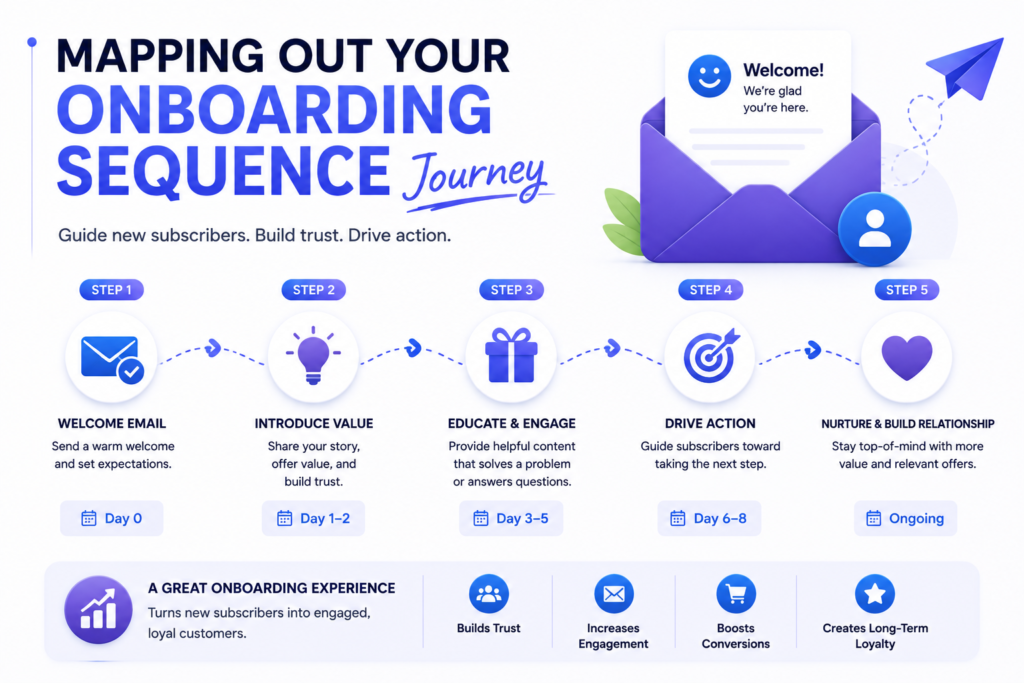
A well-structured welcome email series transforms casual sign-ups into engaged brand advocates. By planning your communication strategy, you ensure that every message serves a specific purpose in the customer lifecycle. This proactive approach prevents your brand from fading into the background of a crowded inbox.
Determining the Ideal Number of Emails
Finding the right frequency for your onboarding sequence is essential to maintaining subscriber interest. A structured email content calendar helps maintain consistency across your campaigns. Most successful brands find that a series of three to five messages provides enough value without causing fatigue. You should focus on quality over quantity to ensure each touchpoint feels relevant and timely.
If you send too many messages in a short window, you risk high unsubscribe rates. Conversely, sending too few may cause your audience to forget why they signed up in the first place. Consistency is the key to building a lasting relationship with your new leads.
Creating a Logical Flow for New Leads
Your email sequences should guide the reader through a clear narrative arc. Start by delivering the value you promised during the sign-up process, such as a lead magnet or discount code. Once you have established that initial connection, you can gradually introduce your brand story and core mission.
A logical flow helps subscribers understand exactly how your products or services solve their specific problems. By organizing your content in a step-by-step format, you reduce friction and encourage deeper interaction. This structure turns a simple subscription into a meaningful customer journey.
Balancing Educational Content with Sales Pitches
The most effective strategy involves providing significant value before asking for a purchase. Aim to dedicate the majority of your messages to educational content that helps your audience achieve small wins. This builds the trust necessary to convert leads into long-term clients through effective email automation.
When you do introduce sales pitches, ensure they feel like a natural extension of the help you have already provided. A common rule of thumb is to keep your messaging focused on solving problems rather than just pushing products. By maintaining this balance, you create a sustainable model for growth and engagement.
Crafting Compelling Subject Lines and Preheaders
Before a subscriber ever reads your message, they must decide to open it based on your subject line. If you want to improve open rates, learn more about writing subject lines that get opened. This tiny snippet of text acts as the gatekeeper to your content, determining whether your email gets read or ignored. When paired with a well-crafted preheader, you provide a compelling preview that encourages immediate action.
Psychological Triggers for Higher Open Rates
Human behavior is often driven by specific emotional responses. By tapping into these triggers, you can significantly boost your open rates and improve the effectiveness of your email automation campaigns. Urgency is a powerful tool; phrases that imply a limited time offer or a closing window of opportunity often prompt users to act quickly.
Curiosity also plays a vital role in engagement. When you pose a question or hint at a valuable secret, you pique the reader’s interest. Social proof, such as mentioning how many others have joined a program, can also build confidence and encourage clicks.
Personalization Techniques for Better Engagement
Generic emails rarely stand out in a busy inbox. Modern subscribers expect content that feels tailored specifically to them. Beyond simply using a first name, you should leverage behavioral data to make your subject lines feel relevant.
Consider referencing a recent action the user took on your website or their specific interests. When a subscriber sees a subject line that reflects their own journey, they are far more likely to engage. Personalization transforms a cold broadcast into a meaningful conversation.
Avoiding Spam Filters with Best Practices
Even the most creative subject line will fail if your email never reaches the inbox. Spam filters are designed to protect users, but they can sometimes flag legitimate messages. Understanding how spam filtering works can help improve email deliverability. To ensure high deliverability, you must avoid common pitfalls that trigger these automated systems.
- Avoid using excessive capitalization or multiple exclamation points.
- Steer clear of “spammy” trigger words like “free,” “guaranteed,” or “cash.”
- Always maintain a clean list to ensure your sender reputation remains high.
By following these guidelines, you protect your brand integrity and ensure your messages land exactly where they belong. Consistent monitoring of your open rates will help you refine your approach over time. Focusing on value and clarity is the best way to stay out of the junk folder.
Writing High-Converting Content for Email Automation Drip Campaigns
Transforming new subscribers into loyal customers starts with the words you choose in your email drip campaigns. When you communicate with your audience, every sentence serves as an opportunity to build a lasting relationship. By focusing on clarity and value, you ensure that your message resonates deeply with your target demographic.
Establishing Your Brand Voice and Tone
Your brand voice acts as the personality of your business. Whether you aim for a professional, authoritative tone or a friendly, conversational style, consistency is essential. When your subscribers recognize your unique voice in every message, they feel more comfortable and connected to your brand.
Take the time to define your tone before you begin drafting your content. A well-defined voice helps you maintain a cohesive identity across all your email drip campaigns, which fosters trust and long-term loyalty.
Structuring Your Message for Readability
Modern readers often scan emails rather than reading them word-for-word. To capture their attention, you must prioritize visual flow and logical structure. If your emails look like dense blocks of text, you risk losing your reader’s interest before they reach your main point.
Using Bullet Points and Short Paragraphs
Breaking your content into digestible pieces makes it much easier for your audience to process information. Use short paragraphs to keep your ideas focused and punchy. Additionally, bullet points are an excellent way to highlight key benefits or steps without overwhelming the reader.
By utilizing these formatting techniques, you guide the reader through your email drip campaigns with ease. This approach ensures that your most important information stands out clearly.
Incorporating Clear Calls to Action
Every email you send should have a specific purpose. Whether you want your subscriber to visit a blog post, download a resource, or make a purchase, your call to action (CTA) must be unmistakable. Use strong, action-oriented language that tells the reader exactly what to do next.
Place your CTA in a prominent position where it is easy to find. When you provide a clear path forward, you significantly increase the likelihood of conversion and keep your audience engaged with your brand.
Designing Your Automated Email Campaigns for Visual Impact
Designing high-impact automated email campaigns requires a delicate balance between aesthetics and functionality. Your visual choices directly influence how subscribers perceive your brand identity. A clean, professional layout ensures that your message remains the primary focus for every reader.
Balancing Text and Imagery
Effective emails rely on a strategic mix of high-quality images and concise text. You should avoid cluttering your templates with too many graphics, as this can distract from your core call to action. Always prioritize readability by using clear fonts and sufficient white space to guide the reader’s eye.
Good design is making something intelligible and memorable. Great design is making it memorable and meaningful.
Ensuring Mobile Responsiveness
Most of your audience will likely view your messages on a smartphone. If your automated email campaigns are not optimized for smaller screens, you risk losing engagement immediately. Ensure your templates use a single-column layout to prevent text from shrinking or images from breaking on mobile devices.
Testing your emails across various devices is a critical step in your workflow. You must verify that buttons are large enough to tap and that text remains legible without zooming. This attention to detail significantly improves the user experience for your mobile subscribers.
Maintaining Brand Consistency Across Templates
Consistency is the foundation of professional recognition. By using a unified color palette, logo placement, and typography, you help subscribers identify your brand instantly. This repetition builds trust and makes your automated email campaigns feel like a cohesive part of your business.
| Design Element | Best Practice | Impact on User |
|---|---|---|
| Layout | Single-column | Improved readability |
| Imagery | Optimized file size | Faster load times |
| Typography | Standard web fonts | Consistent rendering |
| Call to Action | High-contrast buttons | Higher click rates |
Maintaining these standards across every automated message reinforces your authority. When your visual identity remains stable, your audience feels more comfortable interacting with your content. Consistency is not just about looks; it is about reliability.
Implementing Technical Triggers and Autoresponder Setup
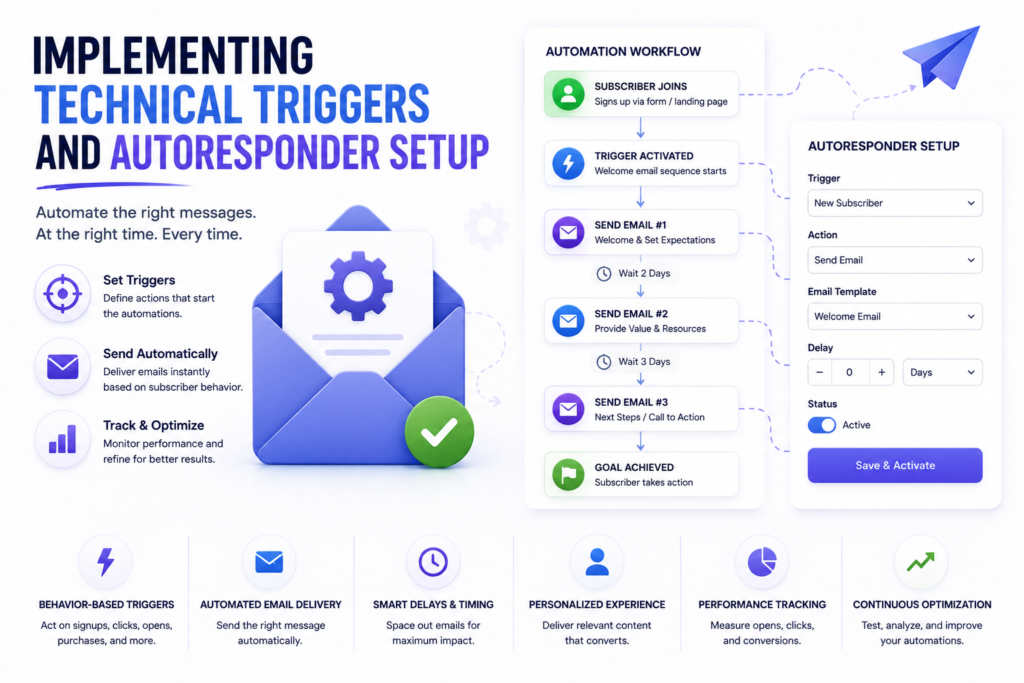
Building a reliable autoresponder setup is the backbone of any successful lead nurturing strategy. While your creative content captures attention, the technical backend ensures that your message reaches the subscriber at the perfect moment. Proper configuration prevents technical glitches and keeps your communication flow consistent.
Configuring Subscription Triggers
The journey begins the moment a user submits their information through your website form. You must link these specific actions to your email platform to initiate the sequence automatically. This automated trigger acts as the starting gun for your welcome series.
Most modern platforms allow you to set triggers based on specific tags or list memberships. By assigning a unique tag to each lead source, you ensure that the correct autoresponder setup activates for the right audience segment. This precision is vital for maintaining relevance from the very first interaction.
Setting Time Delays Between Messages
Timing is a critical factor in maintaining subscriber interest without causing fatigue. If you send too many emails in a short window, you risk high unsubscribe rates. Conversely, waiting too long can cause your brand to fade from the subscriber’s memory.
A balanced approach typically involves an immediate delivery of the first email, followed by strategic pauses. Consider these best practices for your timing strategy:
- Immediate: Send the welcome email or lead magnet delivery instantly.
- 24-Hour Mark: Follow up with educational content or a brand introduction.
- 3-Day Interval: Provide additional value or a soft call-to-action.
- Weekly Cadence: Transition to your regular newsletter schedule after the initial sequence.
Managing Subscriber Lists and Data Hygiene
Your sender reputation depends heavily on the quality of your list. Maintaining clean data is not just a technical task; it is a necessity for high deliverability in any email automation strategy. You should regularly audit your lists to remove inactive or invalid email addresses.
High bounce rates can signal to internet service providers that your emails are unwanted. By implementing a double opt-in process, you verify that every subscriber truly wants to hear from you. This simple step significantly improves your long-term engagement metrics and protects your domain authority.
Testing and Optimizing Your Email Workflow Automation
Optimization turns a static setup into a dynamic engine for growth. Once your initial messages are live, you must shift your focus toward refining the performance of your email workflow automation. This process ensures that your communication remains relevant and effective as your audience evolves over time.
Conducting A/B Testing on Subject Lines
The subject line is the most critical factor in determining whether a subscriber opens your message. By running A/B tests, you can compare two variations of a subject line to see which one generates higher engagement. Small tweaks in wording, tone, or length often lead to significant differences in open rates.
You should test one variable at a time to maintain statistical accuracy. For example, try testing a question-based subject line against a benefit-driven statement. This methodical approach helps you understand exactly what resonates with your specific audience.
Analyzing Click-Through Rates and Conversion Data
Beyond open rates, you must monitor how subscribers interact with the content inside your email automation sequences. High click-through rates indicate that your call-to-action is compelling and well-placed. If subscribers open your emails but fail to click, your messaging or design may require adjustment.
Conversion data provides the final piece of the puzzle. By tracking how many users complete a desired action, such as making a purchase or signing up for a webinar, you can identify bottlenecks in your funnel. Use this data to pinpoint exactly where your email sequences might be losing momentum.
Iterative Improvements Based on Subscriber Feedback
Direct feedback from your subscribers is an invaluable resource for long-term success. Pay close attention to unsubscribe reasons, survey responses, and direct replies to your messages. These insights often reveal pain points that automated metrics might overlook.
Implement changes in small, iterative cycles rather than overhauling your entire strategy at once. By consistently applying these lessons, you ensure that your email workflow automation remains a high-performing asset for your business. Continuous refinement is the hallmark of a truly successful marketing strategy.
Turn Email Subscribers Into Loyal Customers
Build welcome sequences that engage new subscribers, nurture relationships, and drive more conversions automatically.
Conclusion
Building a powerful welcome sequence requires a blend of technical precision and creative storytelling. You now possess the framework to turn new subscribers into loyal brand advocates through intentional design and data-driven adjustments.
Your success depends on the consistency of your messaging and the relevance of your content. Tools like Mailchimp or Klaviyo provide the infrastructure, but your unique voice drives the actual connection. Keep your focus on the needs of your audience to ensure every message adds genuine value through effective email automation strategies.
Review your performance metrics regularly to refine your approach. Small tweaks to your subject lines or timing often lead to significant gains in engagement. Stay committed to this iterative process to maintain a healthy and responsive email list.
Take the next step by launching your email automation workflow today. Your subscribers are waiting to hear your story. Start building those lasting relationships now to secure long-term growth for your business.